Hair loss affects over 50 million Americans, with 95% of cases linked to androgenetic alopecia. Traditional treatments often fall short of patient expectations.
PRP and hair restoration offers a natural solution using your body’s own healing factors. We at YouShine Med Spa have seen remarkable results with this innovative approach that stimulates dormant hair follicles without surgery or harsh chemicals.
How Does PRP Hair Restoration Work
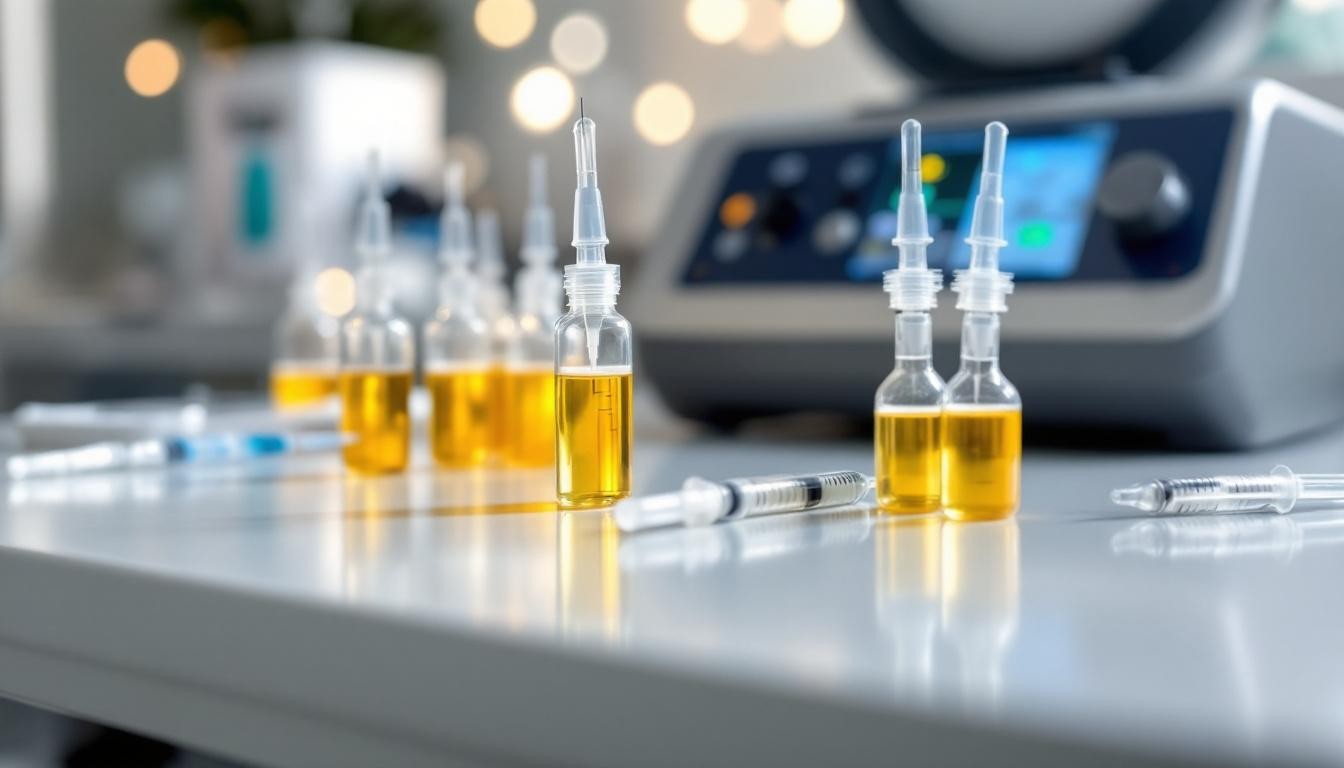
PRP hair restoration extracts platelets from your own blood through a straightforward process that takes about 90 minutes total. The procedure begins when we draw 10-60 milliliters of blood, similar to a routine blood test. We process this blood in a centrifuge for 8-15 minutes, which separates platelets from other blood components. The result produces platelet-rich plasma that contains 3-5 times more platelets than normal blood, packed with growth factors like PDGF and TGF that directly stimulate hair follicles.
The Science Behind Hair Growth Stimulation
Clinical research demonstrates PRP’s effectiveness through measurable results. A randomized study showed men who received PRP experienced a mean increase in hair count in treatment areas after 3 months. The growth factors in PRP extend the anagen phase of hair growth, which gives follicles more time to produce thicker, stronger hair.
Studies found that patients with androgenetic alopecia experienced reduced hair loss after PRP treatment. The platelets release VEGF and IGF-1, which increase blood flow to follicles and promote cellular regeneration in previously dormant areas. These growth factors create an environment where weakened follicles can recover their natural function.
Who Benefits Most From PRP Treatment
PRP works best for patients with early-stage hair loss rather than complete baldness. Men and women with androgenetic alopecia see optimal results when they still have miniaturized hair follicles that can respond to growth factor stimulation. The treatment proves most effective for people under 40 with recent hair loss patterns, as younger follicles retain better regenerative capacity.
Patients who take blood thinners, those with lupus, or individuals with severe thyroid disorders may not qualify as suitable candidates. These conditions can interfere with the body’s natural healing response that PRP relies on to stimulate hair growth.
Treatment Protocol and Session Requirements
Most patients need three PRP sessions spaced 30 days apart for initial treatment. We follow this with maintenance treatments every 4-6 months to sustain results. Each session involves the same blood draw and centrifuge process, with injections targeted at areas of active hair loss.
The treatment protocol may vary based on individual hair loss severity and response to initial sessions. Some patients see improvements after the first treatment, while others require the full initial series before noticing significant changes. This variation leads us to the next important consideration: what timeline you can expect for visible results.
What Happens During PRP Treatment
Your PRP journey begins with a comprehensive scalp analysis where we examine hair density patterns and use trichoscopy to identify areas of active miniaturization versus complete follicle loss. We measure baseline hair count in targeted zones and photograph treatment areas for progress tracking. Blood work screens for underlying conditions like thyroid dysfunction or autoimmune disorders that could interfere with healing. This assessment takes 45 minutes and determines your candidacy while customizing injection patterns based on your specific loss pattern.
The Treatment Session Step by Step
Each PRP session follows a precise 90-minute protocol that starts with blood collection from your arm through a sterile butterfly needle. The 30-60ml sample goes into specialized tubes that contain anticoagulant, then undergoes initial centrifugation to separate red blood cells followed by a second centrifugation to concentrate platelets. We apply topical numbing cream 20 minutes before injection to minimize discomfort. We use a 30-gauge needle to inject 0.1ml of PRP every 1cm across the treatment area at a depth of 4mm into the dermal layer where follicles reside.
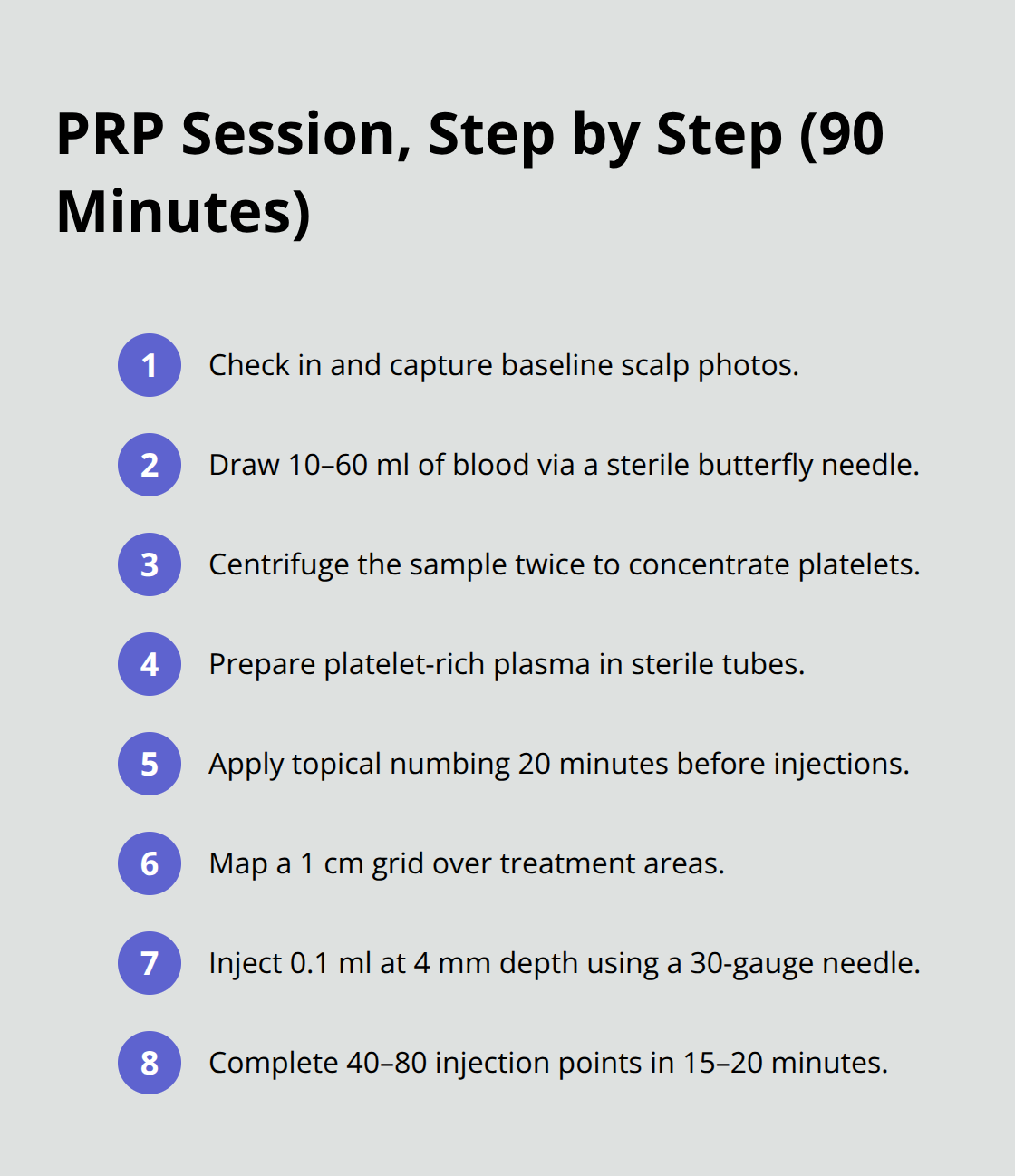
The entire injection process takes 15-20 minutes with approximately 40-80 injection points (depending on coverage area).
Recovery Requirements and Care Instructions
Post-treatment scalp sensitivity lasts 24-48 hours with mild swelling and redness as normal responses. Avoid hair washing for 6 hours after treatment to prevent washing away growth factors from injection sites. Skip intense workouts for 24 hours as excessive sweating can irritate treated areas. Most patients return to normal activities immediately with only minor scalp tenderness. Apply ice packs for 10-minute intervals if swelling occurs, but avoid direct ice contact with skin.
What to Expect in the Following Weeks
Hair shedding may temporarily increase 2-3 weeks post-treatment as dormant follicles reset their growth cycle before they produce new hair. This temporary shedding phase pushes more hair follicles into their resting phase and indicates that follicles respond to treatment. The scalp may feel slightly tender for up to one week, particularly in areas with dense injection patterns.
These immediate post-treatment changes set the stage for the regenerative process that follows, leading to the timeline and results you can expect from your PRP hair restoration journey.
When Will You See PRP Hair Results
Hair regrowth becomes visible after 3-6 months following your initial PRP series, with peak results appearing at 12 months. A study tracked patients and found that men experienced a mean increase of 33.6 hairs in treatment areas. This timeline aligns with the natural hair growth cycle, where follicles need 90-120 days to complete their transition from resting phase to active growth. Patients typically notice reduced hair shedding first, followed by increased hair thickness around month 4, and new hair growth becomes apparent by month 6.
Clinical Success Statistics Show Strong Results
Research demonstrates that PRP treatment can be used as a therapeutic option for hair loss including androgenetic alopecia and female pattern hair loss. The treatment proves most effective for patients under 40 with early-stage hair loss, where success rates reach 85-90%. Women with female pattern hair loss show particularly strong responses, with systematic reviews confirming improved hair thickness and density. These statistics position PRP as equally effective as traditional medications like minoxidil and finasteride but with fewer side effects.
Patient Age Affects Treatment Success
Age dramatically impacts results, with patients under 35 showing 40% better outcomes than those over 50 due to superior follicle regenerative capacity. Younger patients maintain more responsive hair follicles that react better to growth factor stimulation. The cellular regeneration process works more efficiently in patients under 40, which explains why this age group achieves optimal results.
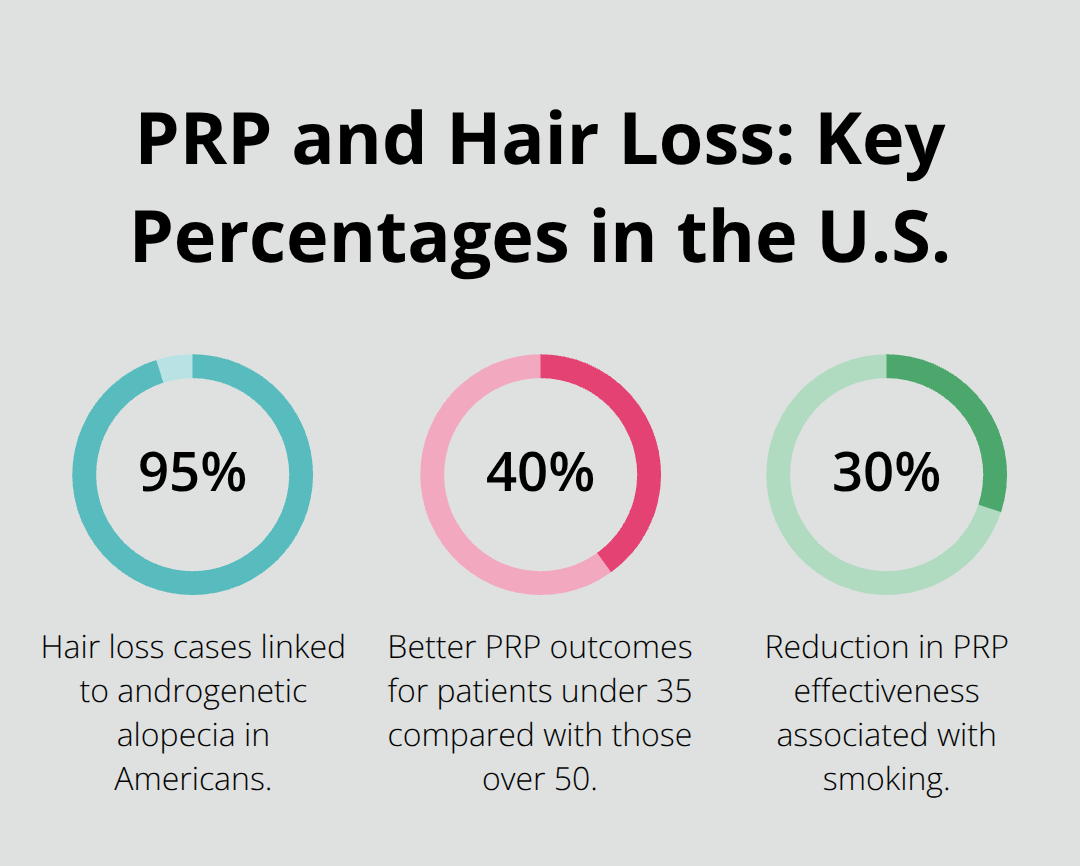
Patients over 50 can still benefit from PRP treatment, though they may require additional sessions to achieve similar outcomes.
Hair Loss Severity Determines Response Rates
Hair loss severity determines success rates – patients with early-stage hair loss on the Norwood Scale achieve optimal results while those with advanced baldness see limited improvement. Early-stage hair loss responds better because miniaturized follicles can still regenerate when stimulated by growth factors. Complete baldness areas (where follicles have died) show minimal response to PRP treatment since no viable follicles remain to stimulate.
Lifestyle Factors Impact Treatment Effectiveness
Platelet concentration matters significantly, with optimal results occurring when PRP contains 2-6 times normal platelet counts. Smoking reduces treatment effectiveness by 30% due to impaired blood circulation, while patients with thyroid disorders or autoimmune conditions show diminished responses. Consistency with maintenance treatments every 4-6 months sustains results, as studies show hair density returns to baseline levels without ongoing sessions.
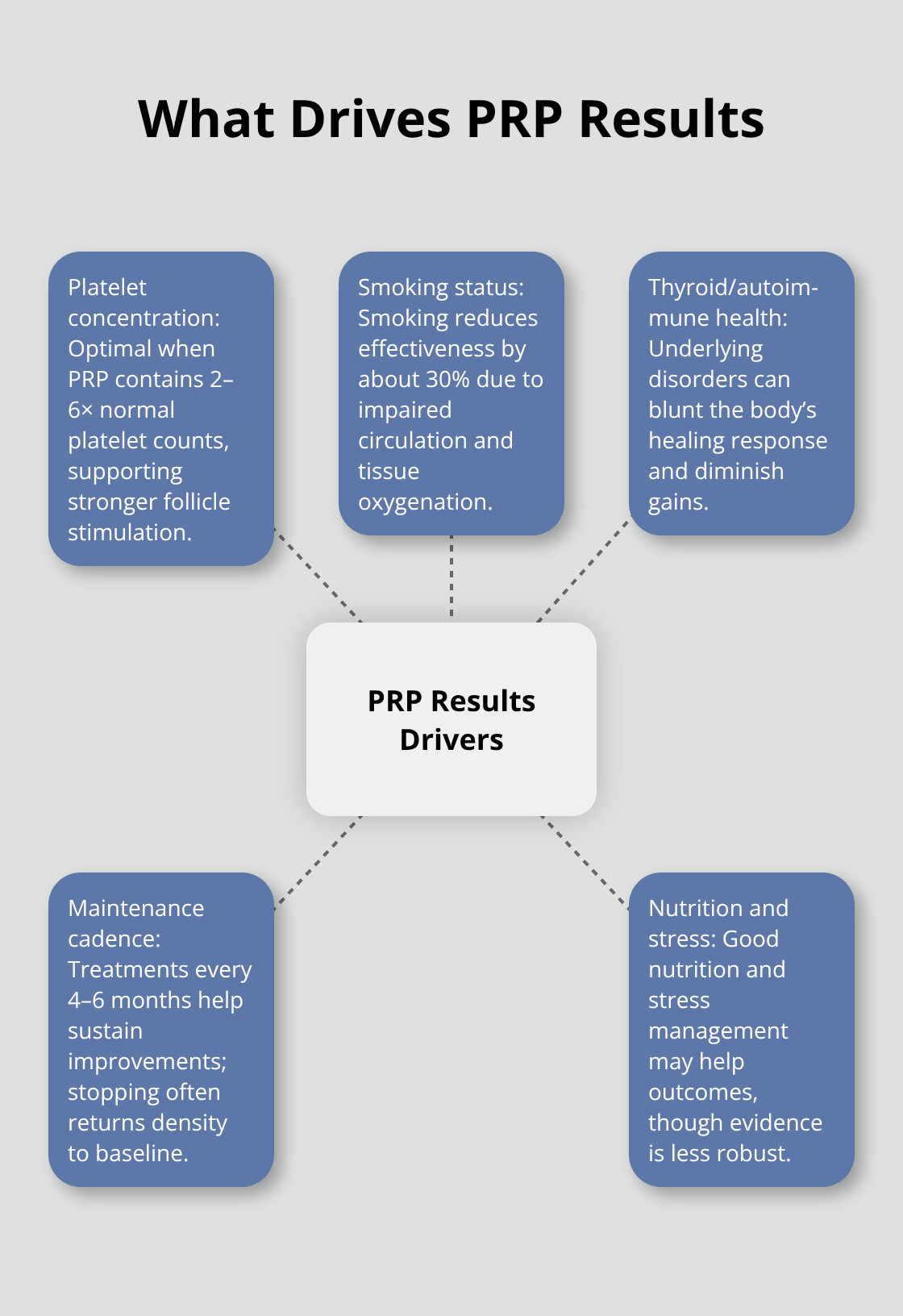
Proper nutrition and stress management also support better treatment outcomes (though these factors receive less research attention).
Final Thoughts
PRP and hair restoration represents a breakthrough treatment that harnesses your body’s natural healing mechanisms to combat hair loss. The evidence shows remarkable success rates, with patients experiencing up to 33.6 additional hairs in treatment areas and sustained results lasting two years. Unlike traditional medications that require daily use and carry systemic side effects, PRP offers a natural approach with minimal risks and no ongoing medication requirements.
The treatment works best for patients under 40 with early-stage hair loss, achieving success rates of 85-90%. The science behind PRP demonstrates clear mechanisms of action through growth factors that extend hair growth phases and revitalize dormant follicles. Clinical studies consistently show improved hair density and thickness across both male and female patients (with particularly strong responses in women with female pattern hair loss).
We at YouShine Med Spa provide PRP hair restoration treatments with personalized approaches based on comprehensive scalp analysis. Our team evaluates individual hair loss patterns to determine candidacy and develop customized treatment plans. Schedule your consultation to explore whether PRP hair restoration aligns with your goals and learn how this innovative treatment can restore your confidence along with your hair.