
Sunken eyes make you look tired and older than you actually are. The under-eye area loses volume naturally over time, creating hollows that are hard to hide with makeup alone.
At YouShine Med Spa, we’ve seen how dermal fillers for sunken eyes transform this problem quickly. A single treatment restores volume and brings back the refreshed, youthful appearance you’re missing.
Why Sunken Eyes Develop and How Volume Restoration Works
The Anatomy Behind Sunken Eyes
The tear trough-that hollow running from your inner lower eyelid down to your cheek-deepens as you age because your face loses structural support at the bone level. After age 35, bone resorption around the eye sockets accelerates, and the fat pads that once plumped your cheeks descend naturally due to gravity and skin laxity. This isn’t a cosmetic myth; it’s measurable anatomical change. The eyelid skin itself is remarkably thin at just 0.5 mm, making it the first area to show volume loss.
Environmental and Genetic Factors
Sun exposure and smoking worsen this process by breaking down collagen and elastin, the proteins that keep skin firm. Genetics play a major role too-some people inherit deeper-set eyes or thinner skin that hollows faster. The result is a shadowed appearance under the eyes that makeup can’t fully conceal, and this shadow actually makes dark circles look worse because light reflects differently in depressed areas.
How Fillers Restore Facial Structure
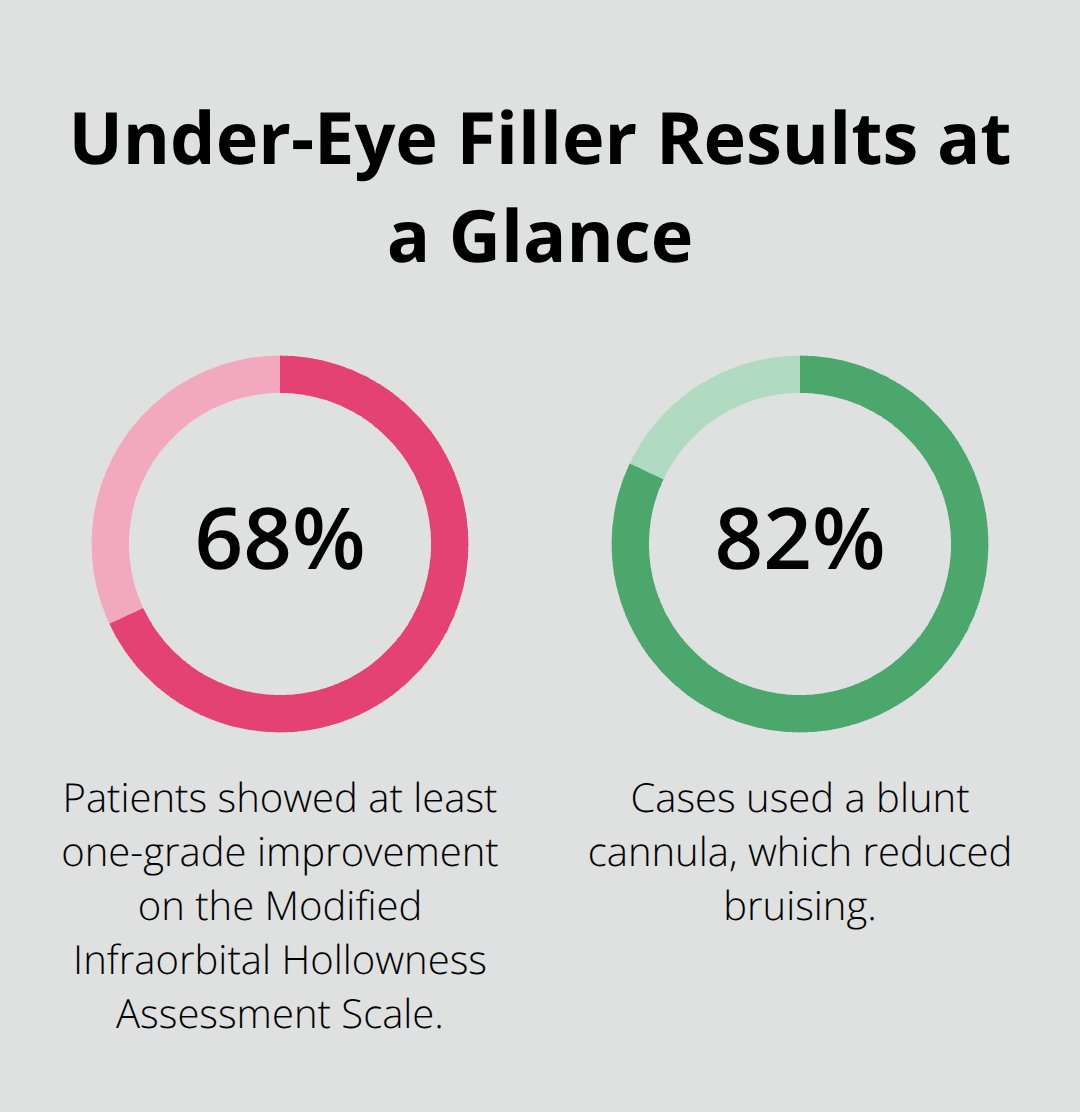
Dermal fillers work because they directly restore the volume your face has lost, placing hyaluronic acid gel into the tissue plane near the bone to rebuild facial structure from the foundation up. A study found that practitioners injected an average of 0.45 mL per eye using conservative techniques, with 68% of patients showing measurable improvement of at least one grade on the Modified Infraorbital Hollowness Assessment Scale. The key is that fillers don’t just fill a surface depression-they restore the three-dimensional scaffold that supports overlying skin, which reduces shadow and creates the optical effect of lifted, fresher eyes.
Product Selection and Technique Matter
Softer hyaluronic acid products like Restylane-L and Juvederm Vollure XC are preferred because they mold to the delicate eye anatomy without creating visible lumps or restricting eyelid movement. Results appear immediately, though they settle and look more natural over 2 to 3 weeks. A cannula approach (blunt-tipped delivery) minimizes vascular injury and bruising compared to needle injection, giving you faster recovery and cleaner results.
Understanding how your eyes lost volume is the first step-now let’s explore which filler options deliver the best outcomes for your specific needs.
Dermal Filler Options for Sunken Eyes
Why Hyaluronic Acid Leads the Market
Hyaluronic acid fillers dominate under-eye treatment because they’re reversible, biocompatible, and work with your body’s natural chemistry. Products like Restylane-L, Restylane Silk, and Juvederm Vollure XC represent the gold standard for tear trough hollowing.
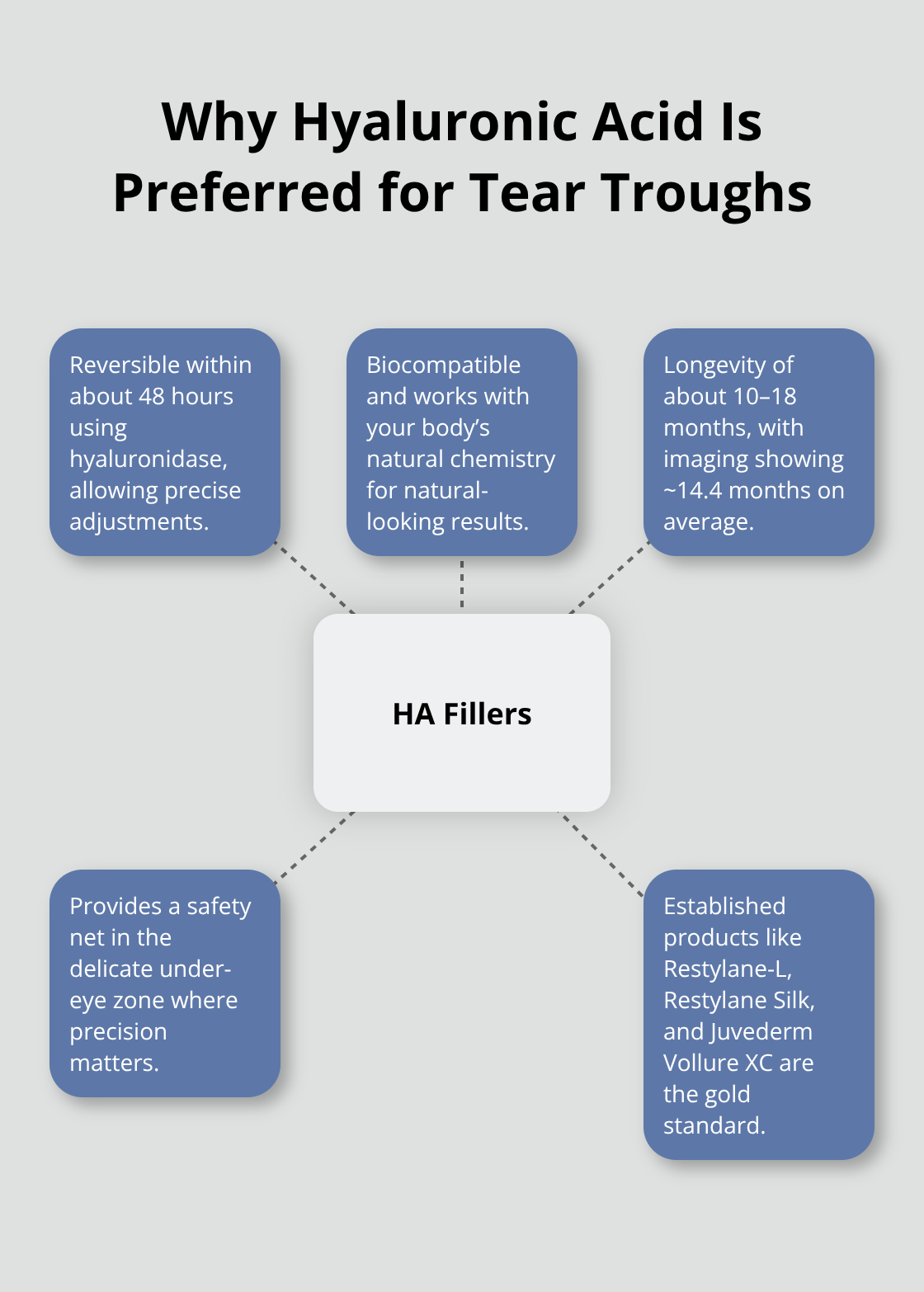
These fillers last approximately 10 to 18 months based on real patient data, with objective imaging studies showing volume persistence around 14.4 months on average.
The reversibility matters more than you’d think. If swelling persists longer than expected or you want to adjust the result, hyaluronidase injections dissolve the filler within 48 hours without permanent damage. This safety net is essential in the delicate under-eye zone where mistakes compound quickly.
Why Other Fillers Fall Short
Calcium hydroxylapatite and poly-L-lactic acid sound appealing because they promise longer duration, but they’re wrong choices for sunken eyes. Calcium hydroxylapatite particles can trigger delayed swelling months after injection, and poly-L-lactic acid stimulates collagen gradually over weeks, making it impossible to control the final result precisely. Neither option allows reversal if problems emerge.
A 155-patient study tracking tear trough fillers over 2.15 years found that hyaluronic acid products delivered consistent results with manageable side effects. Delayed complications like nodules or persistent swelling appeared in roughly 10 to 16 months-manageable with hyaluronidase when needed.
The Conservative Injection Approach
Conservative injection volumes prevent overcorrection and the puffy appearance that ruins results. Practitioners injected an average of 0.45 mL per eye in the study cohort, and using a blunt cannula in 82% of cases reduced bruising significantly. Start with small amounts of hyaluronic acid, monitor how your body responds, and add more at a follow-up visit if needed.
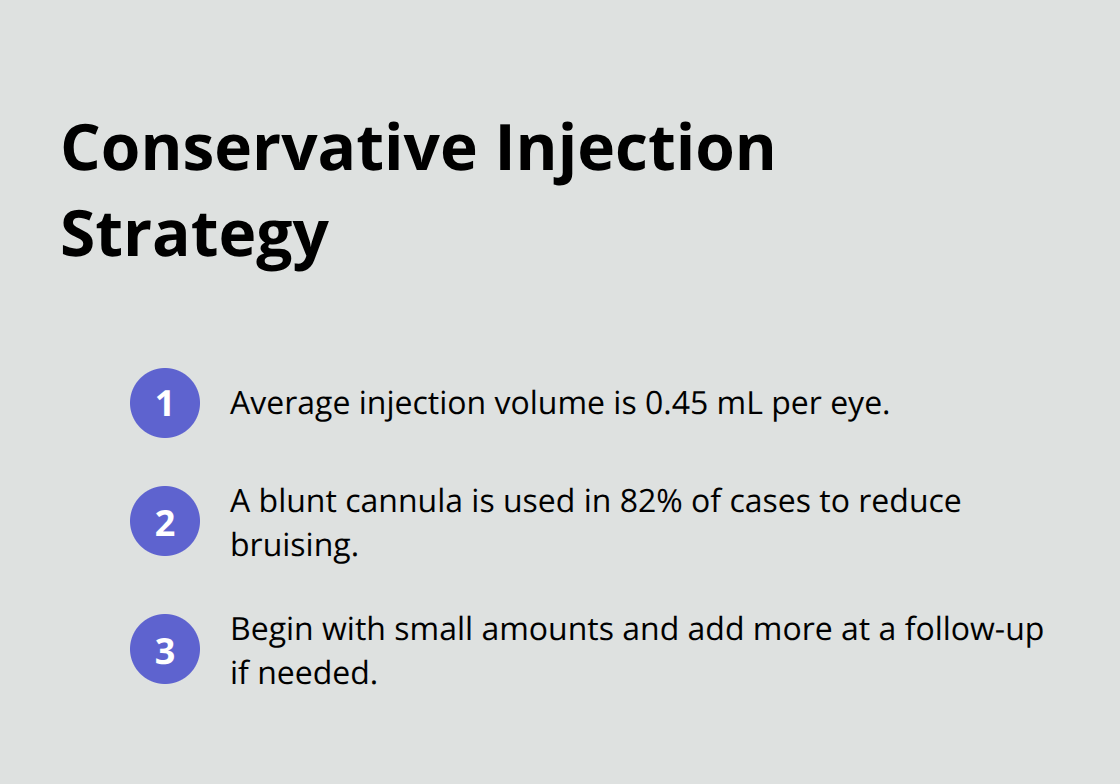
This staged strategy protects you from the common mistake of overfilling, which creates that telltale swollen look that screams “I had work done.” Your injector should place filler in the tissue plane on or near the bone to rebuild structure from the foundation, not just fill surface depressions.
What Happens During the First Two Weeks
Results appear immediately after injection, though they settle and look more natural over 2 to 3 weeks. Swelling and minor bruising typically fade within a few days to a week, depending on your skin sensitivity and the technique used. Most patients return to normal activities right away, though you’ll want to avoid strenuous exercise and extreme heat for a few days.
The under-eye area responds well to this conservative approach because the skin is just 0.5 mm thick that even small volumes create noticeable improvement. Your body absorbs hyaluronic acid gradually, which is why results don’t vanish suddenly-they fade over months, giving you time to schedule maintenance before you look hollow again.
What Happens Before, During, and After Your Treatment
Your Appointment and the Injection Process
Your appointment starts with a consultation where your injector assesses your facial anatomy, discusses your goals, and marks the treatment zones. Topical anesthesia cream numbs the area for 15 to 20 minutes, making the procedure nearly painless. The actual injection takes about 15 minutes-practitioners use a 27-gauge cannula which is blunt-tipped and significantly reduces bruising compared to sharp needles. You feel mild pressure but no sharp pain. We use conservative volumes averaging 0.45 milliliters per eye, so results look natural rather than overdone. Results appear immediately, though the full effect continues to settle and refine over the next 2 to 3 weeks as swelling subsides and the filler integrates with your tissue.
Managing Swelling and Bruising in the First Week
Recovery is straightforward for most patients. Swelling and tenderness fade within 3 to 5 days, with minor bruising lasting up to a week depending on your skin sensitivity and how your blood vessels respond. Avoid strenuous exercise, extreme heat, saunas, and alcohol for at least 48 to 72 hours after treatment, as these increase swelling and bruising. Do not massage or apply pressure to the treated area for the first 24 hours-this prevents filler migration and lumps. You can wear makeup after a few hours if you apply it gently, though many patients skip it while mild swelling settles.
How Long Results Last and When to Schedule Touch-Ups
Hyaluronic acid fillers last approximately 10 to 18 months based on real patient tracking data. Some patients experience delayed swelling or minor nodules around 10 to 16 months, which responds well to hyaluronidase injections if needed. Schedule maintenance touch-ups before results fade completely-waiting until you look hollow again means starting from scratch rather than simply refreshing your result. Most patients benefit from a single treatment per year to maintain the lifted, rested appearance.
Final Thoughts
Dermal fillers for sunken eyes address the root cause-volume loss at the bone level-rather than masking the problem with makeup or topical creams. The data backs this up: 68% of patients showed at least one grade of improvement on objective assessment scales, with results lasting 10 to 18 months. You invest in a structural change that makes you look genuinely rested and refreshed, not a temporary fix.
Conservative injection volumes averaging 0.45 mL per eye, combined with blunt cannula techniques, prevent the overdone appearance that signals cosmetic work. Your results settle naturally over 2 to 3 weeks, and if swelling persists or you want adjustments, hyaluronic acid fillers dissolve without permanent consequences. This reversibility matters in the delicate under-eye zone where mistakes compound quickly.
Since hyaluronic acid fillers fade gradually over months rather than vanishing suddenly, you can schedule touch-ups before hollowness returns. Most patients benefit from annual treatments to sustain that lifted, youthful appearance. Contact YouShine Med Spa today to assess your specific needs and create a treatment plan that fits your goals.