
Your jawline shapes how people perceive your entire face. A stronger, more defined chin creates balance and confidence that shows.
At YouShine Med Spa, we’ve seen firsthand how chin dermal fillers transform profiles and restore facial harmony. This guide walks you through everything you need to know before your appointment.
What Chin Fillers Actually Do
Chin dermal fillers inject hyaluronic acid, calcium hydroxylapatite, or poly-L-lactic acid beneath your skin to add volume and reshape your lower face. The procedure takes 10 to 20 minutes, and you walk out with immediate results. Over 3 million Americans receive dermal fillers annually, according to Cleveland Clinic, which tells you this isn’t experimental-it’s mainstream. The filler sits in the subdermal layer where no major nerves or blood vessels exist in the jawline area, making it a relatively straightforward treatment.
Filler Types and How Long They Last
Hyaluronic acid fillers like Juvederm and Restylane are the most common choice because they’re reversible and last 6–12 months, giving you control over your investment. Calcium hydroxylapatite fillers like Radiesse last longer, around 12 months or more, and work differently by acting as a collagen scaffold that stimulates your body’s own collagen production. Poly-L-lactic acid fillers like Sculptra take longer to show results-sometimes weeks or months-but they also stimulate collagen and can last up to 2 years. The choice between these depends on your timeline and how long you want results to stick around.
Why Your Jawline Matters More Than You Think
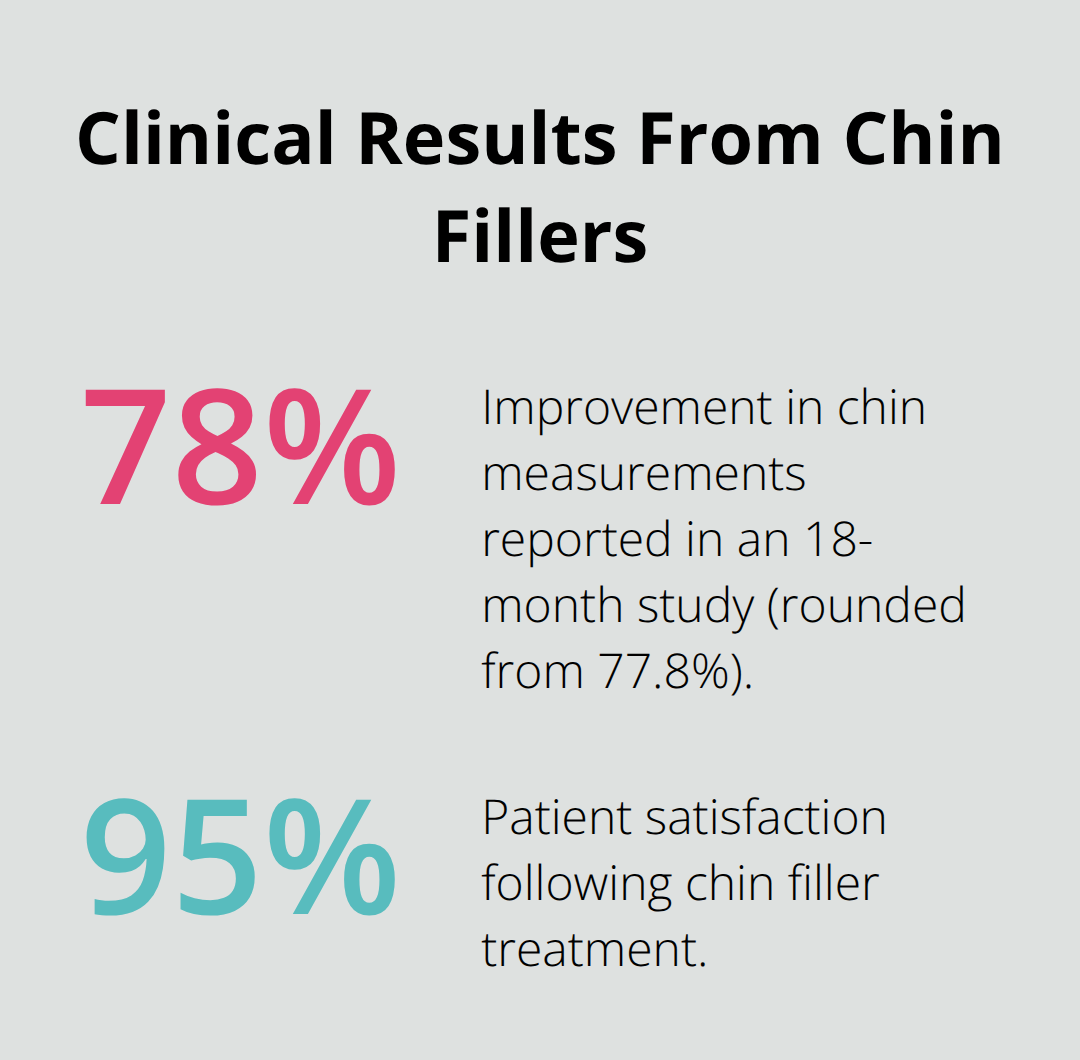
A stronger chin doesn’t just look better; it fixes proportions that age you. Bone density naturally declines as you get older, and your skin thins, creating jowls and a weaker chin projection. An 18-month study showed that chin fillers produced a 77.8% improvement in chin measurements, with 95% patient satisfaction. Men typically want straight, chiseled lines, while women prefer gentle curves with balanced contour-both genders see dramatic improvements after age 40.
Strategic Injection Placement
The prejowl area and the mental crease are the primary targets; injecting filler here restores the jawline-to-neck separation that makes faces look lifted and defined. Avoid overfilling the prejowl region because it widens your chin instead of sharpening it. Small, precise injections (0.05 to 0.1 mL per site) work better than flooding the area with product.
Choosing the Right Filler for Your Goals
If you want immediate, temporary results with full reversibility, hyaluronic acid is your answer and lasts 6 to 12 months. If you want longer-lasting structure that builds collagen, calcium hydroxylapatite costs around $700 to $2,000 per syringe and lasts 12 months or longer. Poly-L-lactic acid requires multiple sessions spaced weeks apart but delivers collagen stimulation lasting up to 2 years. Most patients need 2 to 4 syringes for a complete jawline treatment, though men often need more volume than women for the chiseled effect they want.
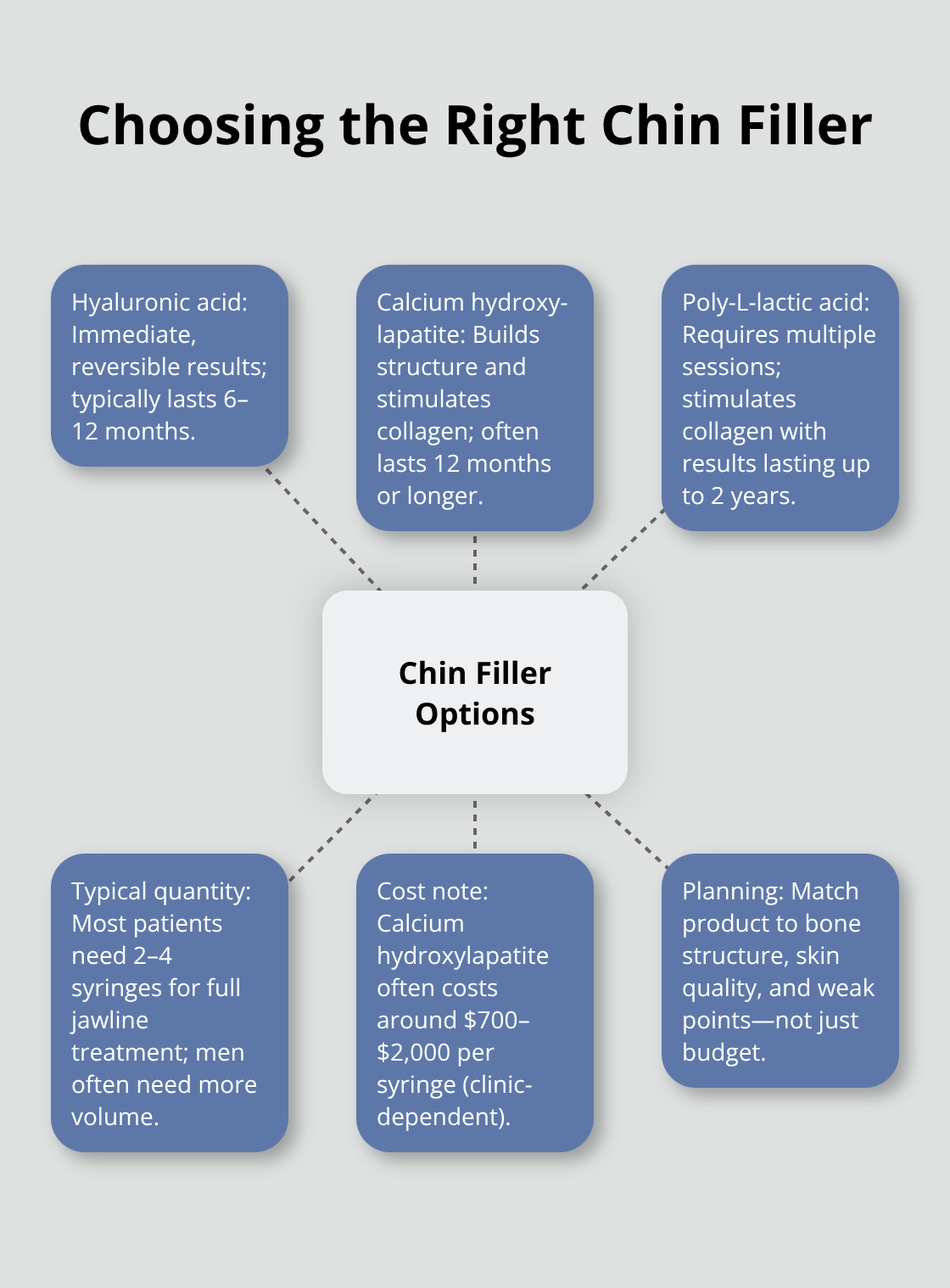
Your clinician should assess your bone structure, skin quality, and specific weak points before recommending a product. The right filler choice depends on your anatomy and goals, not just your budget. Understanding these options prepares you for the consultation conversation where your provider will recommend the best approach for your face.
What Happens During Your Chin Filler Appointment
Your Consultation Sets the Foundation
Your consultation determines everything that follows, and honesty matters most during this conversation. When you arrive, your provider will assess your face from multiple angles, discuss your specific goals, and mark injection sites with a pen so you understand exactly where filler goes. This is the moment to be direct about what bothers you-whether it’s weak chin projection, undefined jawline angles, or jowling that makes you look older. Your provider will ask about your medical history, current medications, and any previous filler experiences. You should avoid blood thinners like aspirin and NSAIDs for at least a week before treatment because they increase bruising risk. If you take supplements like fish oil or vitamin E, mention them too.
Choosing Your Filler Type
The assessment includes discussing which filler type suits your anatomy best. Hyaluronic acid works for reversibility and quick results, calcium hydroxylapatite lasts longer and builds structure, or poly-L-lactic acid stimulates collagen over months. Many clinics use AI simulation technology to show you a preview of potential results, which helps you decide on syringe count and overall investment before the needle touches your skin. Your clinician will recommend the product that matches your bone structure, skin quality, and specific weak points rather than pushing you toward the most expensive option.
The Injection Process
The actual injection process takes 10 to 20 minutes, and it is straightforward. A topical numbing cream sits on your chin for several minutes, then your clinician injects small amounts of filler using very fine needles into the subdermal layer where no major nerves exist. Most fillers contain lidocaine, so discomfort stays minimal-you’ll feel pressure and mild stinging but nothing sharp. Swelling starts immediately and peaks around 24 to 48 hours, so expect your chin to look slightly puffy for a few days. Bruising varies; some people see none, while others develop small marks that fade within a week.
Managing Swelling and Bruising
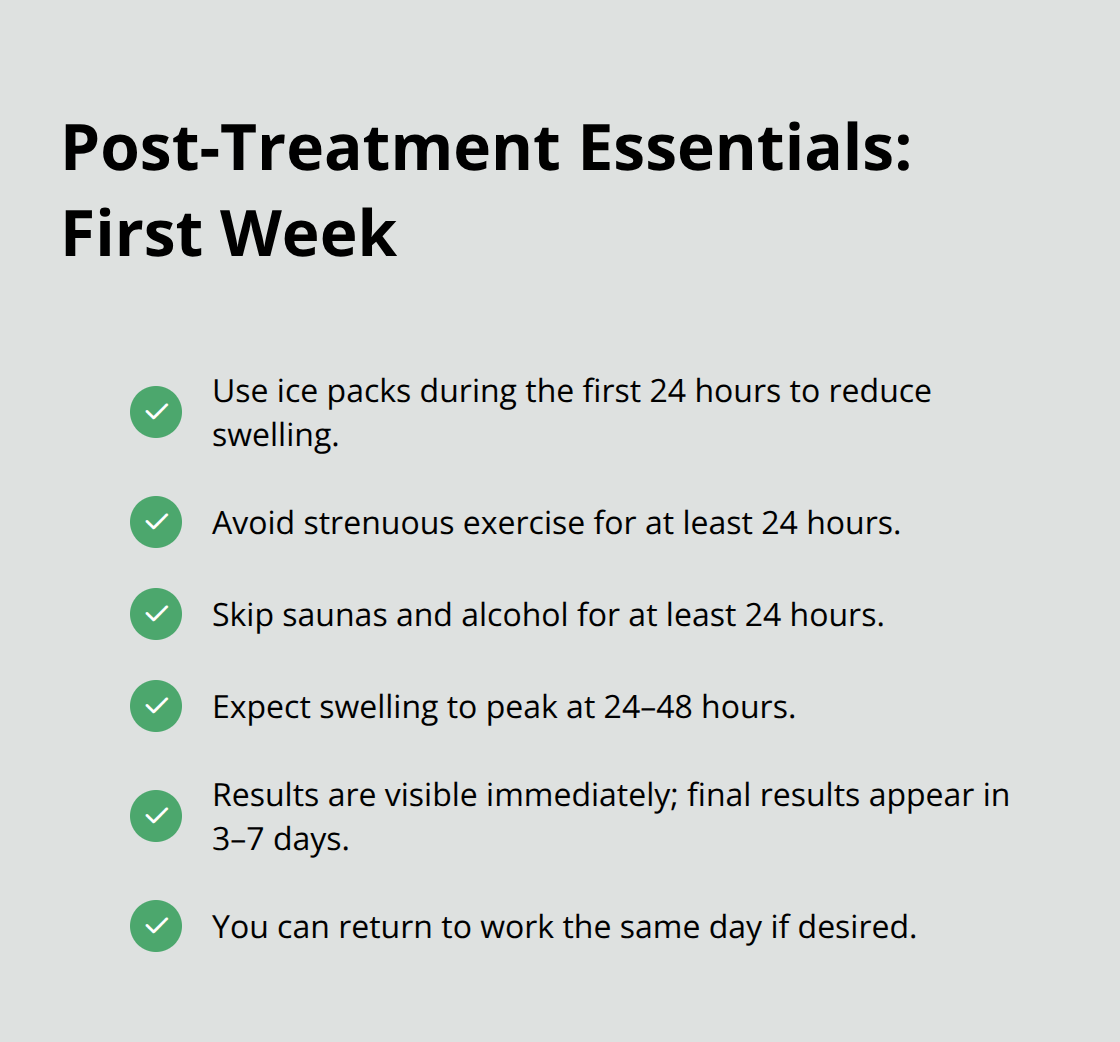
Ice packs during the first 24 hours reduce swelling significantly, and most clinicians recommend avoiding strenuous exercise, saunas, and alcohol for at least 24 hours afterward because heat and blood thinning worsen both swelling and bruising. You can return to work the same day, though you might want to schedule your appointment on a Friday if you’re concerned about temporary puffiness. Results are visible immediately, but true final results emerge after swelling subsides, which takes 3 to 7 days.
Planning Your Maintenance Schedule
Touch-ups usually happen around the one-year mark to maintain definition, though longevity depends on your metabolism and filler choice-hyaluronic acid typically lasts 6 to 12 months, while calcium hydroxylapatite extends to 12 months or longer. Understanding your filler’s timeline helps you budget for maintenance and plan appointments strategically so your jawline stays sharp year-round. Once you know how your body responds to treatment, you’ll be ready to explore what long-term results actually look like and when you should schedule your next session.
How Long Do Chin Fillers Actually Last
Your chin filler results appear immediately, but swelling masks the true outcome for several days. The puffiness peaks around 24 to 48 hours, then gradually subsides over 3 to 7 days as your body reabsorbs excess fluid. Final results stabilize once swelling disappears completely, revealing the actual contour your clinician created. This is why many patients schedule appointments on Fridays-the weekend gives swelling time to settle before returning to work.
Timeline for Seeing Final Results
Hyaluronic acid fillers like Juvederm and Restylane reach their final appearance within a week, while calcium hydroxylapatite fillers like Radiesse show full results after about the same timeframe. Poly-L-lactic acid fillers like Sculptra work differently because they stimulate collagen production over weeks or months, so final results take longer but last considerably longer once they fully develop. A follow-up appointment around day 7 allows your clinician to assess final results and determine if any refinements are needed before your one-year maintenance window begins.
How Your Filler Choice Affects Longevity
Longevity depends entirely on which filler you chose and how your metabolism processes it. Hyaluronic acid typically lasts 6 to 12 months, meaning most patients need touch-ups annually to maintain definition. Calcium hydroxylapatite extends results to 12 months or longer because it acts as a collagen scaffold that continues supporting your jawline even as the filler itself breaks down. Poly-L-lactic acid can last up to 2 years because collagen stimulation creates lasting structural support.
Lifestyle Factors That Impact Results
Your lifestyle accelerates or slows filler breakdown significantly. Smoking, excessive sun exposure, and high-stress living deplete collagen faster and shorten results by several months. If you’re serious about maintaining jawline definition year-round, plan your touch-up appointment around month 10 or 11 rather than waiting until results completely disappear. Scheduling early prevents the awkward phase where your jawline loses definition before you can get back in the chair.
Recognizing When Refresh Time Approaches
Watch for subtle signs that refresh time is approaching: your chin projection softens, the jawline angle becomes less defined, and the prejowl area loses that sharp separation from your neck. These changes happen gradually, so most patients don’t notice them until a friend mentions their chin looks softer than usual. Subsequent touch-ups typically require less filler than your initial treatment because your skin has already been conditioned by the first session (which means your maintenance costs drop significantly after year one). Understanding your specific filler’s timeline helps you budget strategically and maintain the confident profile you invested in.
Final Thoughts
Chin dermal fillers deliver immediate, measurable results without surgery, downtime, or general anesthesia. The 77.8% improvement in chin measurements documented in clinical studies proves these treatments work, and the 95% patient satisfaction rate shows people actually like what they see in the mirror afterward. Your jawline frames your entire face, and restoring definition costs far less than surgical alternatives while giving you complete control over your results.
Professional administration separates successful results from disappointing ones. An experienced injector understands facial anatomy, knows how to place filler strategically to avoid overfilling problem areas, and recognizes complications immediately if they occur. Choosing the lowest price often means choosing an inexperienced provider, which risks poor results, asymmetry, or serious complications like vascular compromise. Your clinician’s expertise determines whether your jawline looks naturally enhanced or obviously overdone.
Schedule a consultation at YouShine Med Spa to discuss your chin dermal fillers options with professionals who understand facial harmony and safety. During this appointment, you’ll learn exactly which filler type suits your anatomy, how many syringes you actually need, and what your maintenance timeline looks like. Once you understand the process and see potential results through simulation technology, you’ll be ready to move forward with confidence.