Acne may be long gone, but the texture it leaves behind can still affect how your skin looks in makeup, in photos, and in bright natural light. If you are searching for the best treatments for acne scarring, the most helpful place to start is this: not every scar responds to the same treatment, and the right plan is usually more personalized than people expect.
That is why some clients spend months trying peels, creams, or trending at-home devices and still feel disappointed. Acne scars form at different depths and in different patterns, so real improvement often comes from choosing the treatment that matches your scar type, skin tone, and downtime preferences.
What actually works for acne scars
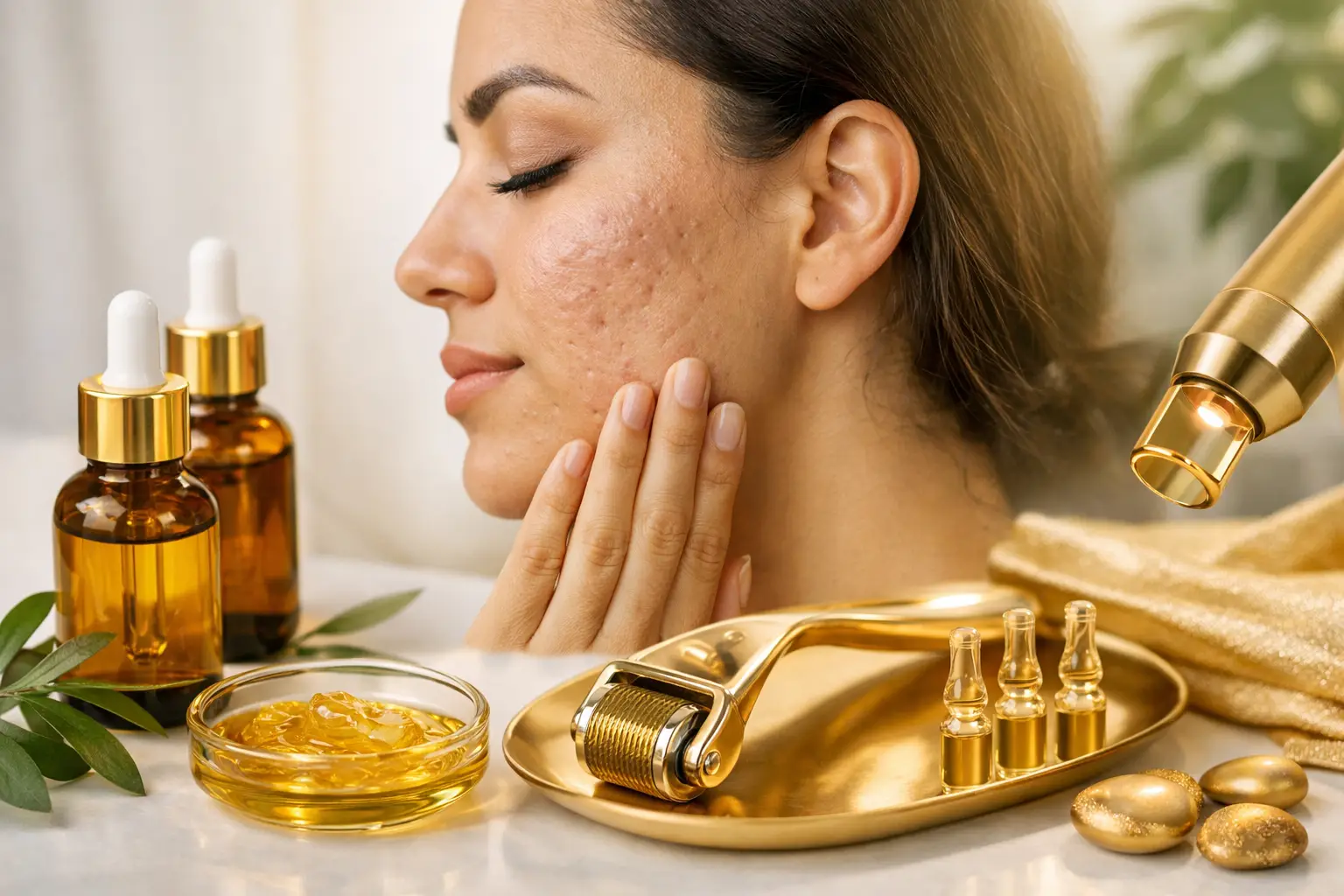
Acne scarring is not one single concern. Some scars are indented and create uneven texture. Others leave lingering discoloration. Some people have a mix of rolling scars, boxcar scars, ice pick scars, enlarged pores, and post-acne redness all at once.
This matters because the best treatments for acne scarring depend on what you are trying to improve. Texture changes usually need collagen stimulation or resurfacing. Pigment changes may respond better to brightening treatments, chemical exfoliation, or time paired with professional guidance. The most visible results often come from combining methods rather than expecting one treatment to fix every mark.
Microneedling for smoother texture
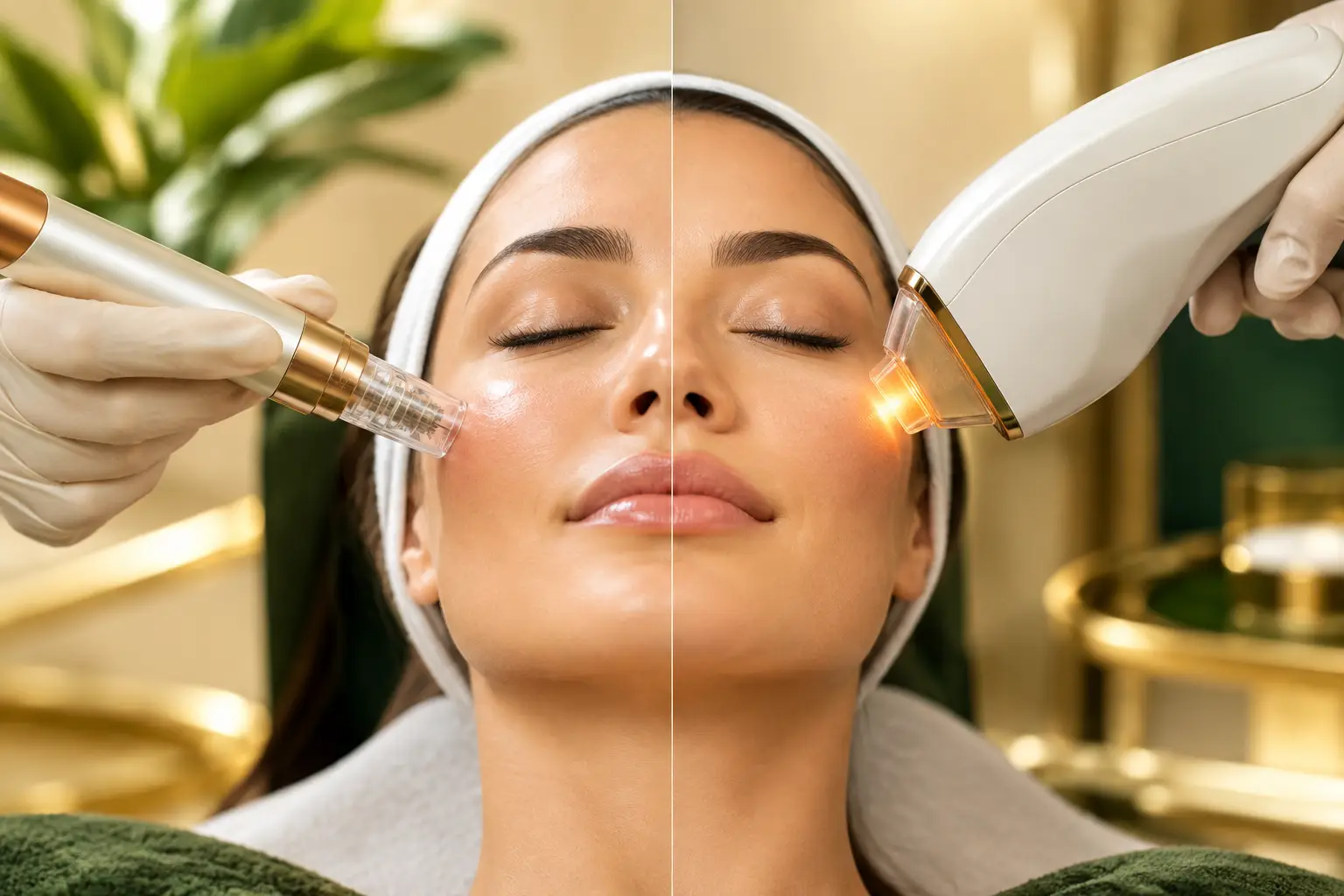
Microneedling is one of the most popular options for acne scars for good reason. It creates controlled micro-injuries in the skin, which stimulates collagen and elastin production over time. As the skin remodels, shallow to moderate indented scars can begin to look softer and more even.
For many people, microneedling offers a strong balance of results and recovery. The downtime is typically mild compared with more aggressive resurfacing, and it can be a smart choice for patients who want noticeable skin improvement without stepping too far outside their routine. It is especially appealing for those focused on texture, pores, and overall skin quality.
Results are gradual, not immediate. Most people need a series of treatments, and deeper scars may improve without disappearing completely. That does not make the treatment ineffective. It simply means expectations should be realistic and guided by a trained provider.
PRP with microneedling
When platelet-rich plasma is added to microneedling, the treatment becomes more regenerative. PRP uses growth factors from your own blood to support healing and enhance the skin-rejuvenation process. For acne scarring, this combination can help improve texture while also giving the skin a fresher, more radiant look.
This is often a strong option for clients who want natural-looking skin renewal and are already interested in collagen-focused treatments. The appeal is not just scar softening. PRP can also support tone, glow, and recovery, which makes it feel like a more complete skin refresh.
It is still not a one-visit miracle. A series is usually recommended, and outcomes depend on scar depth and consistency with treatment. But for the right candidate, microneedling with PRP can be one of the most elegant non-surgical approaches to acne scar improvement.
Laser resurfacing and when it makes sense
Laser treatments can be among the most effective options for acne scarring, particularly when texture changes are more pronounced. Resurfacing lasers work by removing damaged outer layers of skin or heating deeper tissue to trigger collagen remodeling. In the right hands, they can create dramatic improvement in surface irregularities.
The trade-off is downtime, cost, and skin sensitivity. Some laser treatments involve several days to weeks of redness, peeling, or social recovery. Certain lasers also require more caution for deeper skin tones because of the risk of post-inflammatory pigmentation.
This is where a thoughtful consultation matters. Laser may be the best choice for one person and the wrong starting point for another. If your schedule, lifestyle, or skin tone makes aggressive resurfacing less ideal, other collagen-building options may deliver a better overall experience.
Chemical peels for discoloration and mild scarring
Chemical peels can help when acne scarring is tied to uneven tone, dullness, or superficial textural change. They use exfoliating acids to remove damaged skin cells and encourage renewal. Lighter peels may brighten and smooth gradually, while medium-depth peels can target more visible pigment and roughness.
Peels are often underrated because they sound simple, but the right peel protocol can be very effective for post-acne marks and mild surface irregularities. They also pair well with other treatments as part of a broader skin plan.
Still, peels have limits. Deep boxcar or ice pick scars usually will not respond enough to peels alone. They are better seen as part of a layered approach, especially for clients who want brighter, clearer skin in addition to scar improvement.
Subcision, fillers, and targeted correction
Some acne scars are tethered beneath the skin, which creates a pulled-down appearance. In those cases, subcision may be recommended. This technique releases the fibrous bands under the scar so the skin can lift and heal more evenly.
For select depressed scars, dermal filler can also be used to add support beneath the indentation. This can create quick cosmetic improvement, though it is not always permanent and is not right for every scar pattern. The value of filler in acne scarring is precision. It can refine a few stubborn areas that continue to stand out even after collagen-building treatments.
These options are more specialized, but they show an important truth about acne scars: successful treatment is often about matching the method to the mechanics of the scar, not just choosing the most talked-about service.
The best treatments for acne scarring by scar type
If your scars look soft and wave-like, rolling scars often respond well to microneedling, RF microneedling, subcision, or a combination approach. Boxcar scars, which have more defined edges, may improve with resurfacing lasers, microneedling, or targeted procedures depending on depth. Ice pick scars are narrow and deep, and they can be the most challenging. These often require more specialized treatment strategies.
If the issue is mostly leftover dark marks rather than indentations, you may be dealing with post-inflammatory hyperpigmentation rather than true scarring. In that case, peels, pigment-focused skincare, and diligent sun protection may be more relevant than deeper resurfacing.
This is one reason self-diagnosing can be frustrating. Many people call everything an acne scar, when in reality they are dealing with a blend of texture, redness, and discoloration that needs more than one solution.
Why combination treatment plans often work best
The most refined results usually come from layering treatments over time. A person may begin with microneedling to build collagen, add PRP for enhanced recovery, and use peels or customized skincare to improve tone between visits. Someone with deeper scars might benefit from laser or subcision in a more advanced plan.
A customized approach matters because skin is personal. Age, acne history, sensitivity, skin tone, healing response, and event calendar all affect what makes sense. For adults balancing work, family, and social commitments, the best treatment is not only the one that works on paper. It is the one you can realistically complete.
That practical side should never be ignored. Consistency usually beats intensity when intensity leads to long gaps, skipped appointments, or treatments that feel too disruptive to maintain.
What to expect from treatment
Acne scar revision is a process, not a one-time fix. Most treatments require a series, and collagen remodeling takes time. Improvements often show up gradually over several weeks and months as the skin becomes smoother, firmer, and more even.
You may still see some texture afterward, especially with deeper scars. The goal is usually significant softening, not airbrushed perfection. The good news is that even moderate improvement can make a striking difference in how skin reflects light and how confidently you wear it bare.
Professional treatment also tends to work best when active acne is controlled first. There is little benefit in resurfacing skin while new breakouts continue to create inflammation and fresh marks.
Choosing the right provider
Because acne scarring is nuanced, provider expertise matters. A strong consultation should look beyond a menu of services and focus on your actual skin, your goals, and your comfort with downtime. The right plan should feel personalized, not generic.
In a med spa setting that values natural-looking results, treatments like microneedling and PRP often fit beautifully into a broader skin-rejuvenation strategy. At YouShine Med Spa, that personalized philosophy is part of what helps clients feel supported from consultation through results.
If acne scars have kept you reaching for extra coverage or avoiding certain lighting, know that improvement is possible. The best place to begin is not with the most aggressive treatment or the trendiest one, but with the option that meets your skin where it is now and helps it look smoother, healthier, and more radiant over time.