A bright, healthy-looking complexion rarely comes from one-size-fits-all skincare. When comparing PRP facial vs microneedling, the most meaningful difference is not which treatment is “better” overall. It is which approach best supports your skin’s current needs, your comfort with downtime, and the level of regenerative support you want.
Both treatments are loved for improving skin quality without surgery or dramatic change. They can soften the look of fine lines, refine texture, support collagen production, and help skin appear smoother and more refreshed. Yet they work differently, and understanding that distinction can make your treatment decision feel much clearer.
PRP Facial vs Microneedling: The Core Difference
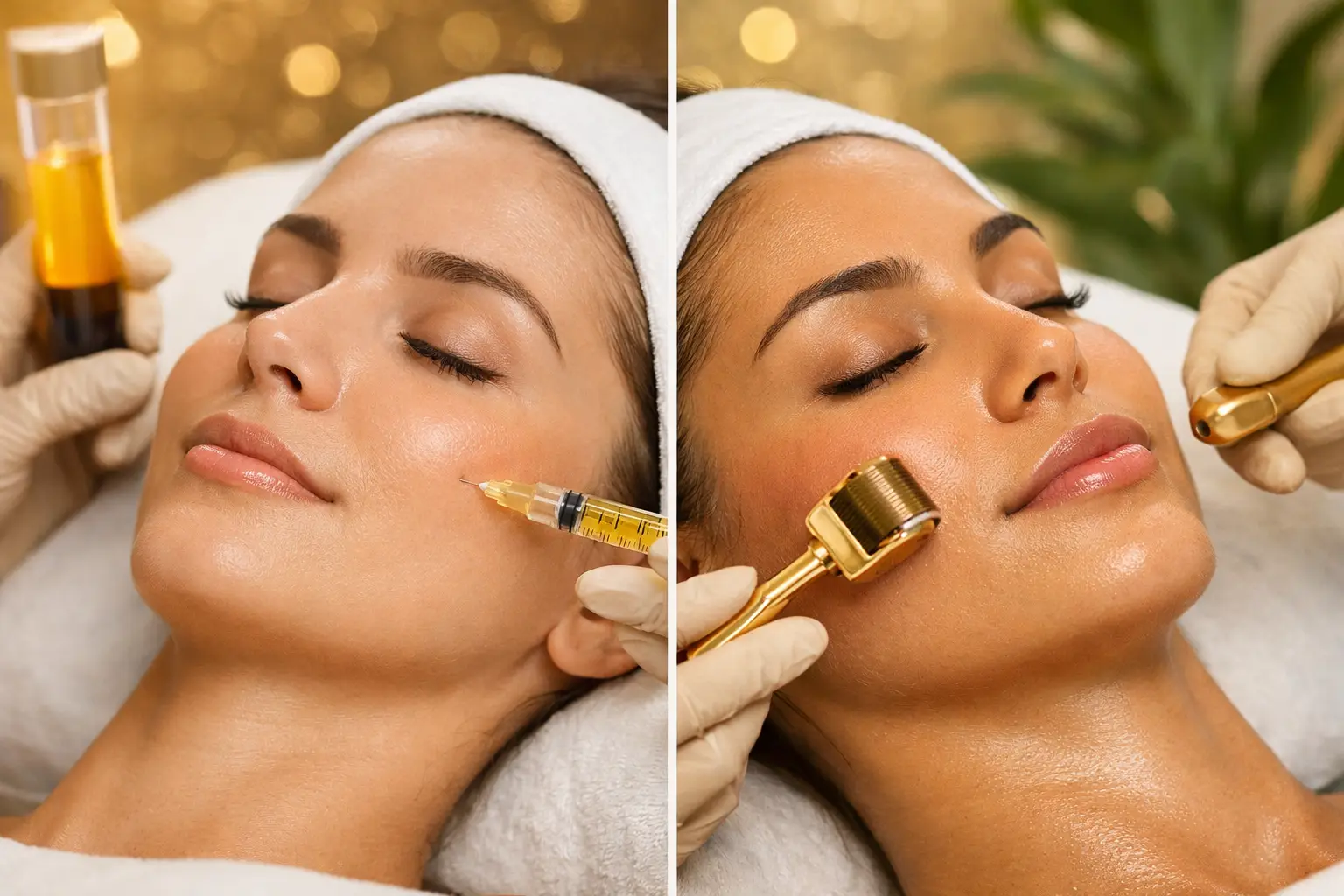
Microneedling is a collagen-induction treatment. A professional device creates controlled microchannels in the skin, triggering the body’s natural repair response. As skin heals, it produces new collagen and elastin, two essential components of firm, resilient, smooth-looking skin.
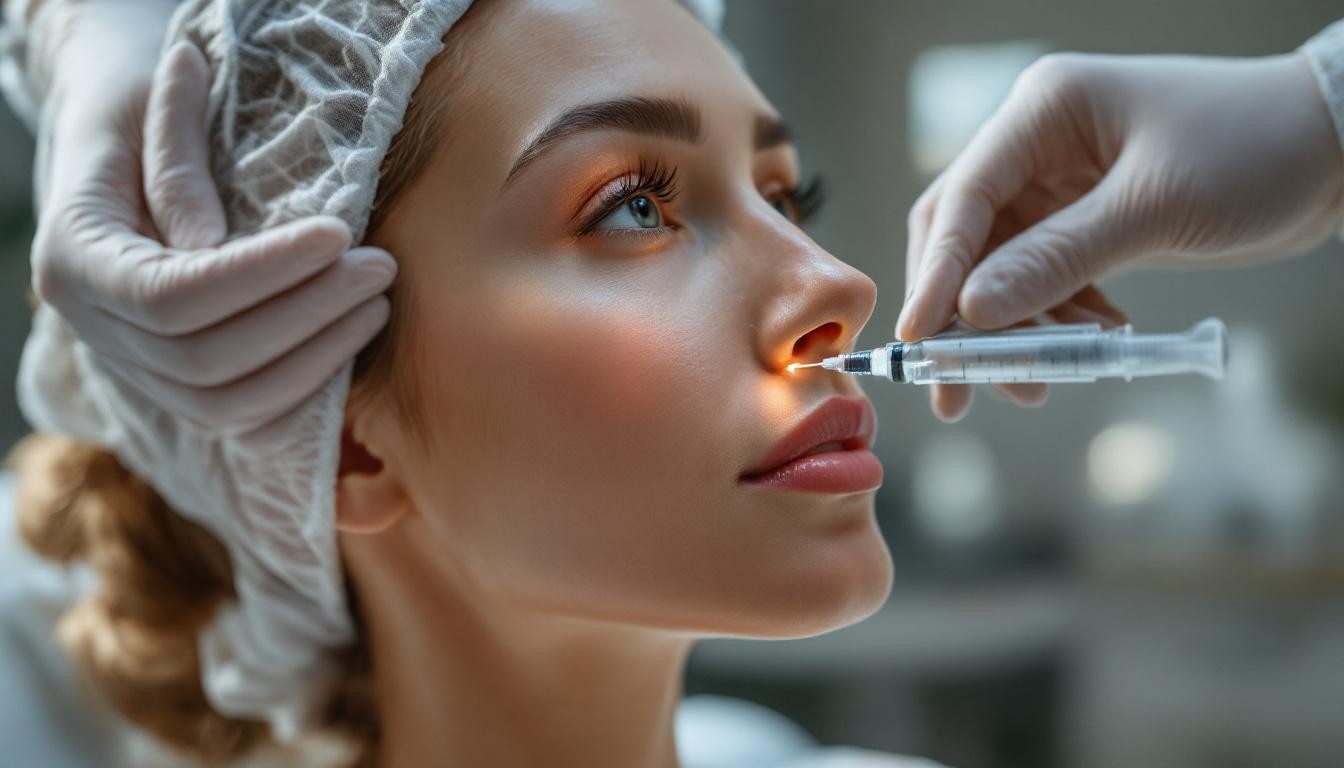
A PRP facial adds platelet-rich plasma, or PRP, to the equation. PRP is created from a small sample of your own blood. After the sample is processed, the platelet-rich portion is separated and applied to the skin during microneedling or used in a customized regenerative treatment plan. Platelets contain growth factors that may support the skin’s natural healing and renewal processes.
This is why the terms can sometimes feel confusing. A PRP facial often includes microneedling, but standard microneedling does not include PRP. Think of microneedling as the treatment foundation, while PRP is an added regenerative component that can enhance a plan for certain concerns.
What Microneedling Can Do for Your Skin
Microneedling is a versatile choice for clients who want gradual, natural-looking improvement in overall skin texture and tone. It is commonly selected for early fine lines, enlarged-looking pores, mild acne scarring, uneven texture, and a complexion that has started to look less radiant.
During treatment, the depth of the device is tailored to the area being treated and the condition of your skin. The process is designed to create controlled micro-injuries, not to remove layers of skin in the way more aggressive resurfacing treatments can. That makes it appealing for people who want visible refinement with relatively limited downtime.
Your skin may look pink or feel warm afterward, much like a mild sunburn. For many clients, this settles substantially within one to three days, although recovery varies by skin sensitivity and treatment depth. Because collagen remodeling takes time, results develop gradually. Many people notice a fresher glow early on, with more meaningful improvements in texture and firmness appearing over the following weeks.
Microneedling is especially well suited to someone beginning a skin-renewal routine or looking for a dependable treatment that can be repeated as part of long-term aesthetic maintenance.
What a PRP Facial Adds
A PRP facial begins with a simple blood draw. Your provider processes the sample to concentrate the platelets, then incorporates the PRP into the treatment. In many cases, it is applied during microneedling so the microchannels can help it reach the treated skin. Depending on your goals, PRP may also be used in other professional applications.
Because PRP comes from your own blood, it appeals to clients seeking a treatment approach centered on their body’s own regenerative materials. Rather than adding a synthetic ingredient, the treatment uses concentrated components already present in your system.
The potential benefit is additional support for healing, collagen stimulation, and a more luminous-looking finish. PRP facials are often considered by clients concerned about fine lines, crepey texture, dullness, or the delicate skin beneath the eyes. They can also be a thoughtful option when the goal is elevated skin quality rather than added volume or a dramatic change in facial structure.
Still, PRP is not a magic shortcut. Individual response depends on factors such as age, baseline skin health, sun exposure, lifestyle, the concern being treated, and the consistency of your treatment plan. Research on PRP in aesthetics continues to evolve, and outcomes can vary. A knowledgeable provider should set realistic expectations rather than promise that one session will erase deeper wrinkles or significant scarring.
Which Treatment Is Better for Fine Lines, Scars, and Glow?
For mild acne scars, uneven texture, and enlarged-looking pores, traditional microneedling can be an excellent starting point. A series of treatments is often more effective than a single appointment, since collagen renewal happens gradually and responds well to consistency.
For skin that looks dull, feels less resilient, or could benefit from added regenerative support, a PRP facial may be worth considering. It can be particularly appealing when a client wants to enhance the results of microneedling while keeping the treatment nonsurgical and naturally focused.
Fine lines can respond to either option, especially when they are related to texture changes and collagen loss. However, lines caused by repeated muscle movement may be better addressed with a neuromodulator such as Botox or Dysport. Deeper folds caused by volume loss may call for a different approach altogether. The most refined results often come from treating the cause of the concern, not simply choosing the trendiest treatment.
Recovery, Comfort, and Treatment Timing
Both treatments are typically performed with topical numbing cream to keep clients comfortable. Microneedling may feel like light pressure with a scratchy sensation in more sensitive areas. Adding PRP does not usually create a dramatically different comfort experience, although the appointment may take longer because of the blood draw and processing step.
After either treatment, expect temporary redness, tightness, mild swelling, and sensitivity. PRP may leave a temporary film or residue on the skin immediately after treatment, depending on the technique used. Your provider will give you specific aftercare instructions, but the general goal is simple: protect the healing skin barrier.
For the first day or two, avoid makeup if instructed, intense exercise, heat exposure, swimming, exfoliating acids, retinoids, and direct sun. Use gentle, approved skincare and take sun protection seriously once your provider advises it is appropriate. Freshly treated skin deserves a calm, uncomplicated routine.
If you have an important event, allow enough time for redness to resolve. Many clients schedule these treatments at least several days before photographs, celebrations, or travel, with more buffer time for deeper treatments or sensitive skin.
Who Should Pause or Choose Another Option?
A proper consultation matters because not every skin concern should be treated with microneedling or PRP right away. Active acne breakouts, open wounds, skin infections, certain inflammatory skin conditions, a history of problematic scarring, and recent sunburn may mean postponing treatment.
PRP also requires an individualized medical review. Certain blood disorders, platelet concerns, anticoagulant medications, pregnancy-related considerations, and other health factors can affect candidacy. Be open about medications, supplements, medical history, and previous aesthetic treatments. This information helps your provider create a plan that is safe, appropriate, and aligned with your goals.
Skin tone is another reason personalization matters. While microneedling can be suitable for many skin types, treatment depth, timing, and pre- and post-care should be chosen carefully to minimize the risk of unwanted pigment changes.
Making the Right Choice for Your Skin
Choose microneedling when your priority is collagen support, smoother texture, and a polished, refreshed appearance with a straightforward treatment plan. Consider a PRP facial when you want those same microneedling benefits with the added appeal of platelet-rich plasma and a more regenerative-focused approach.
Cost can also influence the decision. PRP facials generally cost more than standard microneedling because they include blood collection, specialized processing, and additional treatment time. That investment may feel worthwhile for the right candidate, but more expensive does not automatically mean more necessary. Your concerns, skin condition, and desired outcome should lead the conversation.
At YouShine Med Spa, a thoughtful consultation can help clarify whether microneedling, PRP, or a combination plan will best support your complexion. The right treatment should leave you looking like yourself – rested, refined, and ready to shine brighter in your own skin.