
Seeing more hair in your brush, shower drain, or part line can feel deeply personal. The most encouraging hair restoration results rarely happen overnight, but with the right treatment plan, many clients begin to notice less shedding, stronger-looking strands, and a fuller overall appearance over time.
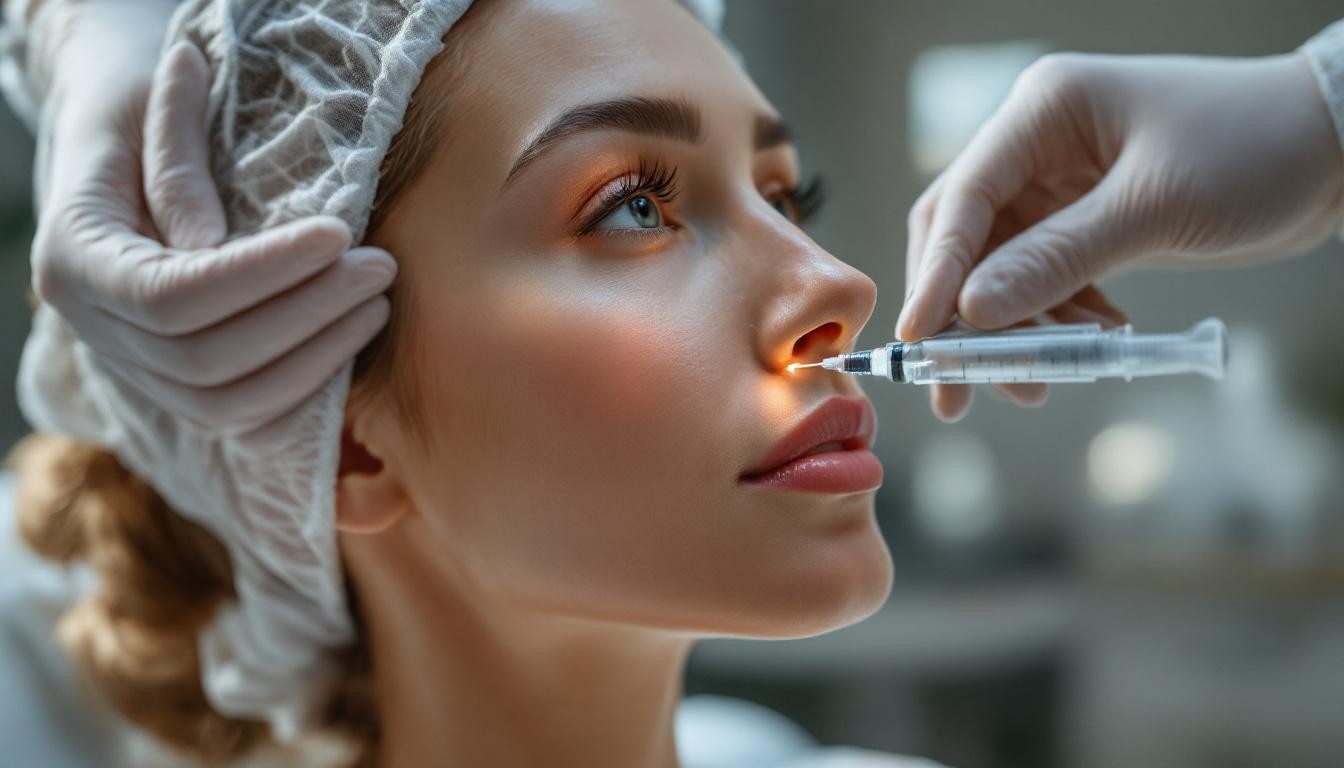
For clients who want a non-surgical approach, PRP hair restoration can be a thoughtful option. This regenerative treatment uses a concentrated portion of your own blood, called platelet-rich plasma, to support the scalp and encourage healthier hair growth. It is designed for people who want to preserve the hair they have, address early thinning, and feel more confident without the downtime of surgery.
What Hair Restoration Results Can Realistically Look Like
The goal of PRP hair restoration is not to create an entirely new hairline or instantly replace areas where follicles are no longer active. Instead, it works best as a supportive treatment for thinning hair, early hair loss, and weakened follicles that may still have growth potential.
Results can look different from one person to the next. Some clients notice that shedding becomes less noticeable first. Others see new short hairs along the part or hairline, improved density through thinning areas, or hair that feels stronger and easier to style. The change is often gradual, which can make it feel especially natural. Rather than looking like a dramatic transformation, your hair may simply begin to look more like your healthiest self.
Your starting point matters. PRP may be more effective when thinning is recent or mild to moderate, because follicles are still present and responsive. If an area has been completely smooth for years, the potential for visible regrowth may be more limited. A professional consultation helps clarify whether PRP is a suitable fit for your pattern of hair loss and your goals.
Why Results Take Time
Hair follows a growth cycle, and that cycle cannot be rushed. Each follicle moves through phases of active growth, transition, and rest. PRP is intended to support a healthier environment around the follicles, but the hair still needs time to move through its natural cycle and become visible above the scalp.
This is why a series of treatments is commonly recommended rather than a single appointment. Your provider may suggest an initial series spaced several weeks apart, followed by maintenance sessions based on your progress and needs. The exact schedule depends on your hair density, degree of thinning, health history, and how your scalp responds.
The Early Weeks
During the first few weeks, you may not see a cosmetic change at all. That does not mean the treatment is not working. Some clients begin by noticing that their scalp feels healthier or that daily shedding seems less excessive. Others do not observe anything noticeable until later in the process.
The Three- to Six-Month Window
This is often when early visible changes may begin to appear. Fine new growth, improved hair texture, and subtle fullness can develop gradually. Photos taken under the same lighting and from the same angle can be especially helpful, since it is easy to overlook small improvements when you see yourself every day.
Longer-Term Progress
For many clients, the most meaningful improvement becomes more apparent after several months of consistency. Hair may appear denser, particularly when styled, and the scalp may be less visible around a widening part. Maintenance matters because hair thinning can be an ongoing concern influenced by hormones, genetics, stress, and age.
What Influences PRP Hair Restoration Results
No ethical provider should promise identical results for every client. PRP is personalized because the causes of hair loss are personal. Genetics can play a major role, as can hormonal changes, thyroid conditions, nutritional deficiencies, certain medications, stress, recent illness, and autoimmune concerns.
The quality of the treatment plan also matters. A careful provider evaluates your medical history, examines the areas of thinning, and discusses the changes you are hoping to see. In some cases, PRP may be recommended alongside other medically appropriate hair-health strategies. In others, a referral for additional medical evaluation may be the right next step, particularly if hair loss is sudden, patchy, painful, or accompanied by scalp irritation.
Lifestyle can support your progress, too. Consistent nutrition, stress management, gentle hair care, and treatment for underlying medical concerns all contribute to a healthier foundation for hair growth. Avoiding harsh chemical processing, excessive heat, and tight styles may also help reduce breakage, which is different from shedding at the root but can make thinning look more pronounced.
Before-and-After Photos: How to Read Them Honestly
Before-and-after photos can be encouraging, but they should be viewed with care. Hair can look dramatically different based on lighting, length, styling, color, humidity, and the angle of the camera. A polished result is not automatically misleading, but it should never be your only guide for deciding whether treatment is right for you.
Look for consistency in the photos. Are the part, lighting, and head position similar? Is the improvement focused on realistic changes such as a less visible scalp or fuller-looking texture? A trusted provider will discuss the range of possible outcomes rather than presenting every client as if they will have the same response.
The best expectation is not to compare your progress to someone else’s. Your most meaningful measure is whether your hair looks and feels healthier than it did at the beginning, and whether the treatment supports the confidence you want to feel when you look in the mirror.
Preparing for a More Successful Treatment Experience
PRP hair restoration begins with a small blood draw. The blood is processed to separate the platelet-rich plasma, which is then carefully placed into targeted areas of the scalp. Because the treatment uses your own blood, it is a natural regenerative option for many qualified candidates.
Your provider will give you specific pre- and post-treatment instructions. These may include guidance about hydration, scalp care, exercise, hair washing, and medications or supplements that could affect treatment. Following those instructions is a simple but meaningful part of protecting your investment.
Most people appreciate that there is minimal downtime. Temporary tenderness, redness, swelling, or a mild headache can occur after treatment, but these effects are typically short-lived. Plan your appointment around any important event if you prefer to give your scalp a little time to settle.
When PRP May Not Be the Complete Answer
PRP can be an excellent non-surgical option, but it is not a universal solution for every type or stage of hair loss. Advanced follicle loss, scarring conditions, or an untreated medical cause may require a different approach. This is not a reason to feel discouraged. It is a reason to choose a provider who values an honest assessment over a one-size-fits-all recommendation.
At YouShine Med Spa, a personalized consultation creates space to talk about your concerns, examine your pattern of thinning, and build a plan that respects both your goals and your timeline. Refined results begin with clear expectations, expert care, and a treatment strategy designed around you.
If thinning hair has made you pull back from photos, certain hairstyles, or simply feeling like yourself, you do not have to wait for the concern to become more noticeable. A professional conversation can help you understand your options and take a calm, confident next step toward healthier-looking hair.