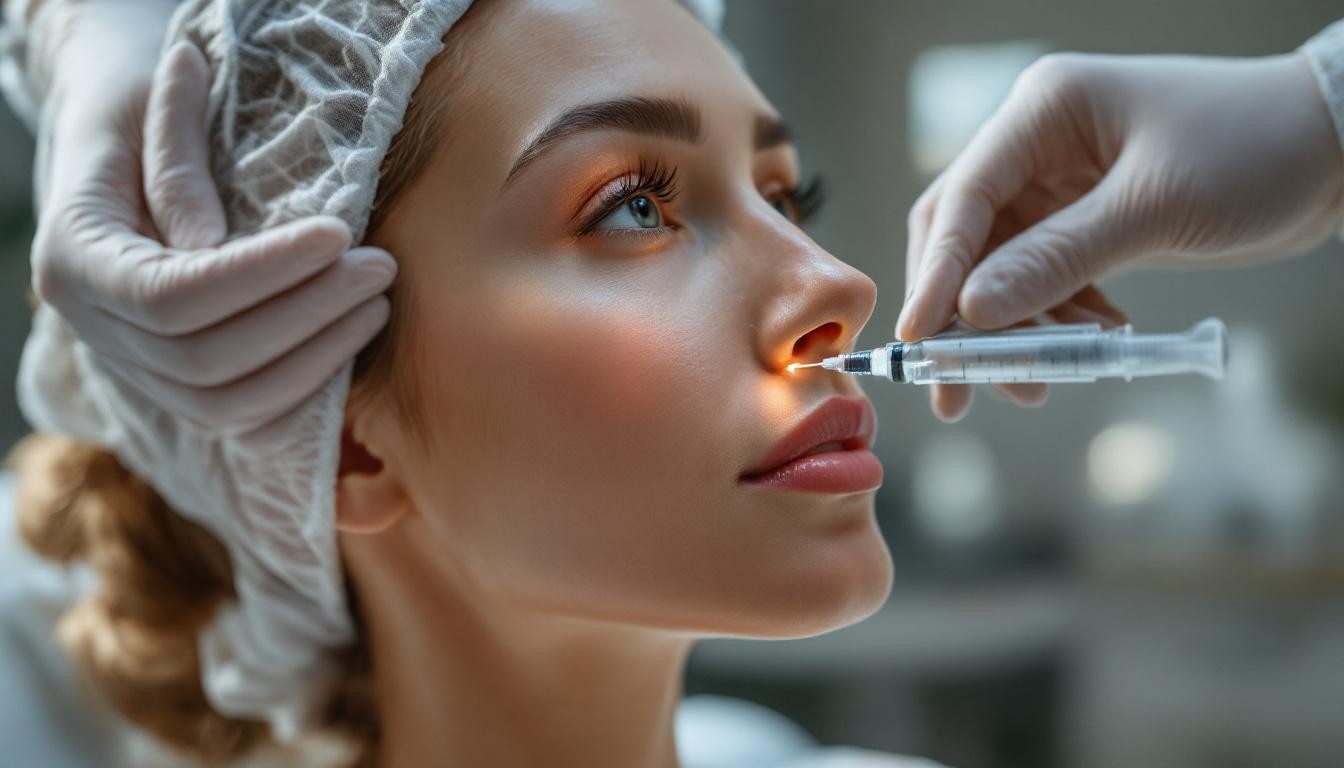

Understanding your Botox treatment timeline helps you prepare for your appointment and know when results may appear. Botox works gradually, so knowing what happens before, during, and after treatment can make your first experience more comfortable.
At YouShine Medspa in Louisville, KY, all injections are performed by a licensed nurse practitioner. Your appointment begins with a discussion of your medical history, facial movement, and aesthetic goals, followed by an individualized treatment plan.
Whether you want to soften forehead lines, reduce frown lines between your eyebrows, or address crow’s feet, this guide explains the consultation, injection process, aftercare, and results timeline.
What Does Botox Do?
BOTOX® Cosmetic is a prescription injectable that temporarily reduces activity in targeted muscles. This can soften certain expression lines caused by repeated movements such as frowning, raising your eyebrows, and smiling.
Botox does not add volume like dermal filler. Lines that remain visible when your face is relaxed may not disappear completely, and concerns involving skin texture or volume loss may require a different approach.
If you prefer subtle changes, our guide to natural-looking Botox in Louisville explains what to discuss with your provider before treatment.
Your First Botox Appointment at YouShine Medspa
Your first appointment includes a clinical assessment before any injections. This is your opportunity to ask questions, explain your preferences, and understand what treatment can realistically achieve.
Our approach to customized injectable treatment plans considers your anatomy, medical history, and desired outcome.
Reviewing Your Medical History
Tell your provider about:
-
Prescription medications, over-the-counter medicines, and supplements.
-
Previous Botox or other botulinum toxin treatments, including the product and treatment date.
-
Previous reactions to injections or product ingredients.
-
Neuromuscular conditions or problems with swallowing or breathing.
-
Pregnancy, plans to become pregnant, or breastfeeding.
-
Infection or irritation near a proposed injection site.
Mention aspirin, anticoagulants, and other medicines that may affect bruising. Do not stop prescribed medication without guidance from the clinician who manages it.
Assessing Your Facial Movement
Your provider may ask you to smile, frown, and raise your eyebrows. These expressions help assess muscle activity, brow position, and existing asymmetry.
Be specific about your goals. You may want softer forehead lines while retaining movement, or you may be most concerned about the lines between your eyebrows.
Dose and injection placement should reflect your anatomy and preferences. Your provider will also consider how treatment may affect the balance between your forehead muscles and brow position.
Discussing Botox Cost in Louisville
The cost of Botox in Louisville depends on the treatment areas, recommended dose, and current pricing.
Ask for the proposed treatment plan and total cost before proceeding. If you are comparing different neuromodulators, remember that their units are not interchangeable. Our Dysport vs. Botox comparison offers additional information to prepare for that discussion.
What Happens During Botox Injections?
The injection portion is usually brief. Your full appointment takes longer when it includes consultation, consent, photographs, and aftercare instructions.
Your provider cleans the skin and identifies the treatment sites. Small amounts of product are then injected with a fine needle. Many patients describe the sensation as a quick pinch, although comfort levels vary.
Immediately afterward, you may notice redness, small raised bumps, tenderness, or bruising. Your lines will not look smoother right away because Botox needs time to take effect.
Most people can return to routine daily activities after their appointment. However, visible bruising is possible, so consider this when scheduling treatment before photographs or an important event.
Botox Treatment Timeline: When Will You See Results?
Your Botox treatment timeline can vary with the treatment area, dose, muscle activity, and individual response.
According to the official BOTOX Cosmetic treatment guide, changes in forehead lines, frown lines, and crow’s feet may begin within 24–48 hours, with full results in 30 days.
A review around two weeks can help assess your developing response. However, two weeks should not be treated as a guaranteed final-result deadline.
Immediately After Treatment
You may notice small bumps, redness, or tenderness at the injection sites. Bruising can also develop.
Your facial movement will not change immediately. Avoid using your appearance on treatment day to judge whether Botox has worked.
The First Several Days
Early changes may appear as Botox begins reducing targeted muscle activity. You might notice less movement when frowning or raising your eyebrows.
Changes can develop at different rates across treated areas. Avoid assuming that an area needs additional product simply because it responds more slowly.
Around Two Weeks
Approximately two weeks after treatment is a useful time to discuss your progress and any concerns with your provider.
Contact the clinic if you notice unwanted changes in brow position, eyelid movement, or facial balance. Additional treatment should follow a clinical assessment rather than an assumption that more product will improve the result.
By Approximately 30 Days
Manufacturer guidance lists full results at 30 days for forehead lines, frown lines, and crow’s feet.
Comparing photographs taken with similar lighting, angles, and expressions can help you assess the changes more accurately.
Over the Following Months
Botox gradually wears off, and muscle movement returns. Results may last up to four months, although your individual experience can differ.
Keep track of when improvement begins and when movement starts returning. This information can help your provider plan future appointments.
Botox Aftercare: What to Do After Your Appointment
Follow the written aftercare instructions provided at your appointment. Your provider can tailor recommendations to your treatment and medical history.
The American Academy of Dermatology’s botulinum toxin FAQs recommend avoiding rubbing or massaging treated areas and waiting at least two hours before strenuous physical activity.
General aftercare precautions include:
-
Avoid rubbing or massaging the injection sites.
-
Handle your skin gently when washing or applying makeup.
-
Follow your provider’s instructions about returning to exercise.
-
Ask before scheduling facials, facial massage, or other treatments near the injection sites.
-
Contact your provider if you notice an unexpected change or have questions.
Do not stop prescribed aspirin, blood thinners, or other medication simply to reduce bruising risk. Discuss medication decisions with the prescribing clinician.
Possible Side Effects
Temporary redness, swelling, soreness, bruising, and headache can occur. Unwanted weakness in a nearby muscle may cause brow or eyelid drooping.
Botulinum toxin products also carry a warning about effects spreading beyond the injection site. Seek immediate medical help for difficulty swallowing, speaking, or breathing after treatment.
How Long Does Botox Last?
Botox is temporary. Its effects gradually wear off as muscle activity returns, and duration varies between patients.
Your provider can help assess your response and determine when another appointment may be appropriate. Manufacturer guidance states that BOTOX Cosmetic treatments should be spaced at least 90 days apart.
For more information about duration and maintenance, read our guide to how long Botox lasts.
Daily sun protection and an appropriate skincare routine support overall skin health, but they do not guarantee that Botox will last longer.
Planning Botox Before a Wedding or Special Event
If you are considering Botox before a wedding, family photographs, or another important occasion, discuss your event date during the consultation.
An appointment shortly before the event leaves little time for results to develop or bruising to resolve. First-time patients should allow extra time to learn how they respond.
Your provider can recommend suitable timing based on the treatment areas and your history.
What If Your Main Concern Is Skin Texture?
Botox targets muscle activity associated with expression lines. It does not directly treat every concern involving rough texture, acne scars, or volume loss.
If skin texture is your main concern, your provider may discuss other options. Our guide to microneedling in Louisville, KY explains how this treatment differs from Botox.
Any combination of treatments should be planned individually, including appropriate timing between appointments.
Why Choose YouShine Medspa for Botox in Louisville?
Choosing a Botox provider involves more than comparing price. Your consultation should include a review of your medical history, facial anatomy, expectations, and treatment options.
At YouShine Medspa in Louisville, Kentucky, injections are performed by a licensed nurse practitioner. We focus on individualized planning, clear communication, and helping you understand what to expect throughout your Botox treatment timeline.
Whether you prefer subtle softening or want to discuss several areas, your goals guide the consultation.
Frequently Asked Questions About the Botox Treatment Timeline
How quickly does Botox start working?
Changes may begin within 24–48 hours, although timing varies. Results develop gradually rather than appearing immediately after the injections.
Does Botox reach its final result after two weeks?
Two weeks is a useful review point, but it is not a guaranteed final-result deadline. Manufacturer guidance lists full results at 30 days for forehead lines, frown lines, and crow’s feet.
How long does a Botox appointment take?
The injection portion is usually quick. Your full appointment takes longer when it includes consultation, medical history review, consent, photographs, and aftercare instructions.
Can I return to work after Botox?
Most people can return to routine activities afterward. Redness or bruising may be visible, and you should follow your provider’s activity instructions.
Will Botox make my face look frozen?
The degree of movement reduction depends on dose, placement, anatomy, and your response. Discuss how much expression you want to retain before treatment. A particular appearance cannot be guaranteed.
Does Botox completely remove forehead wrinkles?
Botox may soften lines related to muscle movement. Deeper lines that remain visible at rest may persist. Your provider can discuss whether other treatments would be appropriate.
What should I do if Botox looks uneven?
Contact your provider for an assessment. Changes may develop at different rates early in the Botox treatment timeline. Avoid arranging additional injections before your response has been evaluated.
How often should I get Botox?
Your schedule depends on your response and clinical assessment. Manufacturer guidance states that BOTOX Cosmetic treatments should be spaced at least 90 days apart.
Is Botox the same as Dysport?
No. Botox and Dysport are different botulinum toxin products, and their units are not interchangeable. Your provider can explain their differences and discuss which option may fit your needs.
How much does Botox cost at YouShine Medspa?
Your cost depends on the recommended dose, treatment areas, and current pricing. Contact YouShine Medspa for an individualized consultation and quote.
Where can I get Botox in Louisville, KY?
YouShine Medspa offers Botox consultations and treatment in Louisville, Kentucky, with injections performed by a licensed nurse practitioner.
Schedule Your Botox Consultation in Louisville, KY
A clear Botox treatment timeline helps you approach treatment with realistic expectations. Your consultation is the first step toward understanding whether Botox fits your goals and how your treatment should be planned.
Contact YouShine Medspa to schedule your Botox consultation in Louisville, KY. We will discuss your concerns, explain your options, and help you understand what to expect before and after treatment.
Results vary. Treatment suitability, dose, and timing require an individual clinical assessment.