A wrinkle at the corner of your eye and a shadow around your smile may both make you look more tired than you feel, but they do not need the same treatment. When comparing Botox vs fillers for wrinkles, the real question is not which injectable is better. It is which one addresses what is happening beneath your skin.
Some lines are created by repeated facial movement. Others become more visible as collagen, facial support, and soft volume gradually diminish. A personalized plan can soften these changes while preserving the expressions, features, and confidence that make you look like yourself.
Botox vs Fillers for Wrinkles: The Core Difference
Botox is a neuromodulator. It temporarily relaxes selected facial muscles that repeatedly contract and fold the skin. This makes it especially effective for dynamic wrinkles, which are lines that appear or deepen when you make an expression.
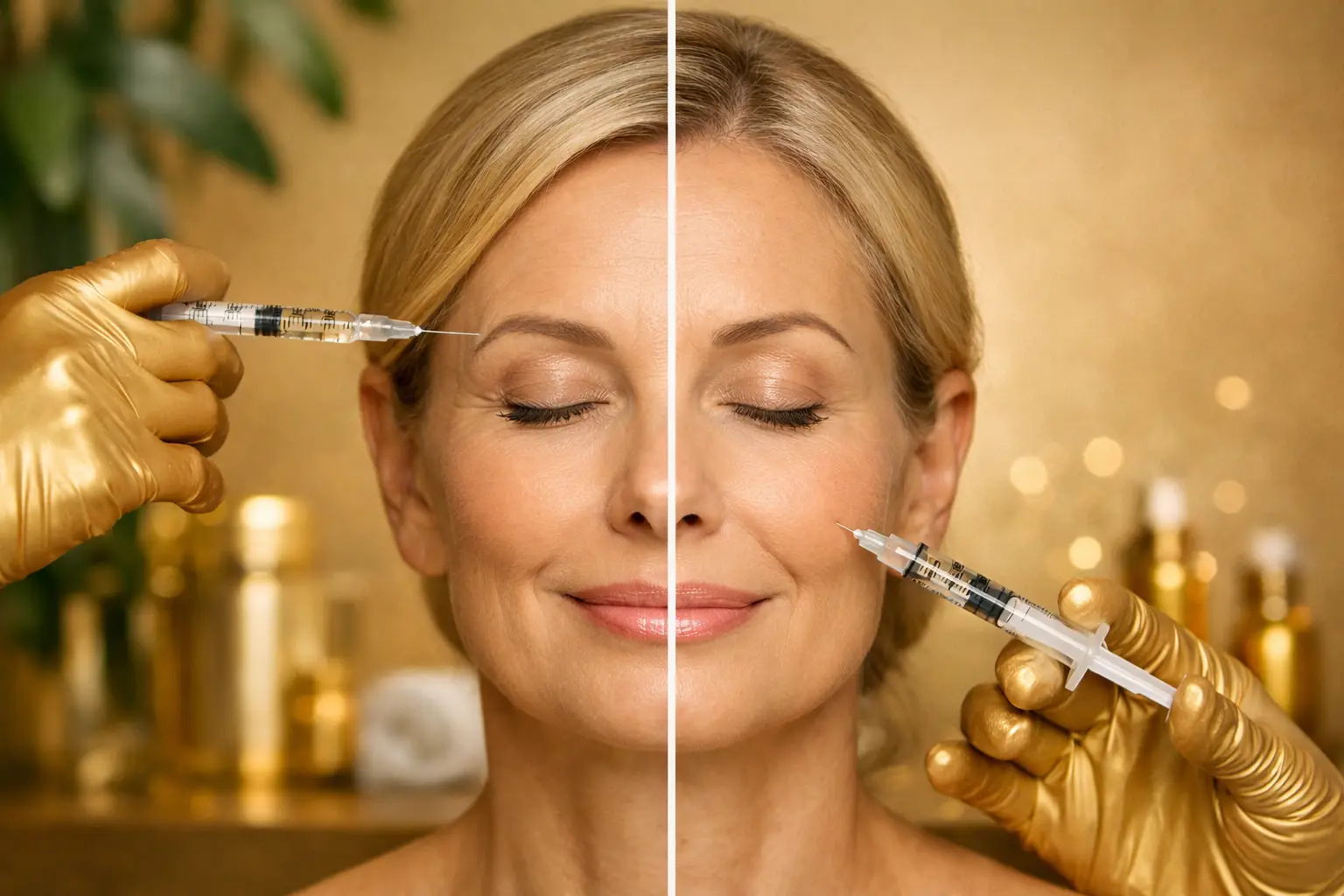
Dermal fillers work differently. Most modern fillers are made with hyaluronic acid, a naturally occurring substance that attracts moisture. When expertly placed beneath the skin, filler can restore gentle volume, support a crease, or improve contour. It is generally chosen for static wrinkles, folds, and hollow areas that remain visible even when your face is at rest.
Think of Botox as softening the repeated pull that creates a line. Fillers help support the skin where volume or structure has changed. Both can create refreshed, natural-looking results, but they are not interchangeable.
When Botox Is Usually the Better Choice
Botox is often the first choice for expression lines across the upper face. Common treatment areas include horizontal forehead lines, the vertical “11” lines between the brows, and crow’s feet beside the eyes. It may also be used for a subtle brow lift effect, a gummy smile, chin dimpling, or neck bands when appropriate.
The best candidates are often noticing lines that show up most clearly while squinting, frowning, raising the brows, or smiling. In the earlier stages of aging, treating these movements can help keep lines from becoming more deeply etched over time.
Results do not appear instantly. Most clients start to see a change within several days, with the full effect typically visible around two weeks. Botox results commonly last about three to four months, although metabolism, treatment area, dose, and muscle strength all matter.
A beautiful Botox result should not look frozen. The goal is to reduce the strength of targeted movement while allowing your face to remain expressive. Precise placement and a thoughtful dose make that balance possible.
When Fillers May Be the Better Answer
Fillers are often better suited to wrinkles caused by volume loss and changes in facial support. These may include smile lines, marionette lines, lip lines, cheek hollowing, under-eye shadows, and mild loss of definition around the jawline or chin.
For example, nasolabial folds – the lines running from the sides of the nose toward the mouth – can be influenced by changes in the cheeks as much as by the fold itself. Filling only the line may not always be the most refined approach. Supporting the midface first can sometimes create a softer, more balanced result with less product in the crease.
This is why filler treatment should never be a one-size-fits-all service. The face changes as a connected structure. An experienced injector considers skin quality, proportions, movement, bone structure, and where support has been lost before recommending placement.
Many fillers provide an immediate visible improvement, though mild swelling or bruising can occur. Depending on the formula, placement, and your metabolism, results may last roughly six months to two years. Areas with frequent movement, such as the lips, may require more frequent maintenance than the cheeks or chin.
A Quick Comparison of Botox and Fillers
| Treatment | Best for | How it works | Typical longevity | | — | — | — | — | | Botox | Forehead lines, frown lines, crow’s feet | Relaxes targeted muscle movement | About 3-4 months | | Dermal filler | Folds, hollows, volume loss, contour | Adds support and volume beneath the skin | About 6 months to 2 years |
The table gives a useful starting point, but your consultation should go further. A line may have both a movement-related and volume-related component. In that case, treating only one cause may leave you with a result that feels incomplete.
Can You Combine Botox and Fillers?
Yes. Botox and fillers are frequently combined because they address different aspects of facial aging. This approach is sometimes called a liquid facelift, although it does not replace surgery for someone with significant skin laxity or more advanced tissue descent.
A combination plan may soften frown lines with Botox while using filler to restore cheek support or refine deeper folds around the mouth. The outcome can look more rested and harmonious than treating one area in isolation.
The right sequence depends on your goals and anatomy. In some cases, an injector may recommend Botox first and reassess once muscle movement has softened. In others, strategic filler can be placed during the same appointment. A conservative approach is often the most elegant one: build gradually, evaluate carefully, and leave room for natural expression.
What About Fine Lines and Crepey Skin?
Not every wrinkle is best treated with an injectable. Fine, etched lines and crepey texture may be more connected to collagen loss, sun exposure, and skin quality than to facial movement or missing volume. Adding filler to very superficial lines can create puffiness or an unnatural texture when it is not the right indication.
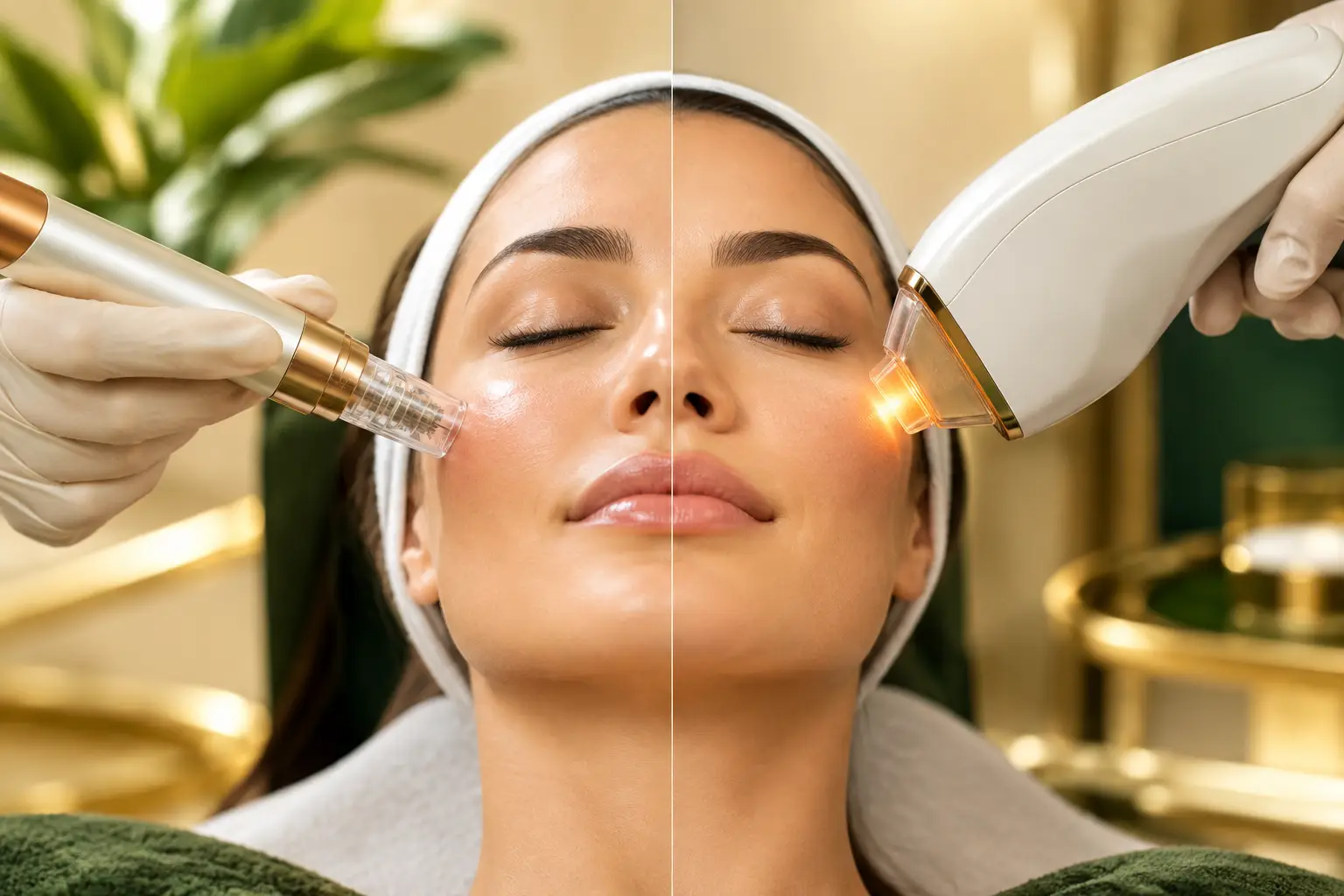
For these concerns, collagen-stimulating treatments such as microneedling, PRP, or other professionally guided skin rejuvenation options may be part of the conversation. Consistent sunscreen, medical-grade skincare, hydration, and a treatment plan designed around your skin’s needs can also improve how smoothly light reflects off the face.
The most polished results often come from treating both facial structure and skin quality. Injectable treatments can enhance the frame, while collagen-focused care supports the surface.
Safety, Comfort, and Choosing the Right Injector
Botox and fillers are medical treatments, not quick beauty add-ons. Both should be performed by a qualified, properly trained medical professional who understands facial anatomy and has a clear plan for managing complications.
Bruising, swelling, tenderness, and temporary asymmetry are possible with any injectable treatment. Filler also carries rare but serious vascular risks, which is one reason technique, product selection, and prompt clinical judgment matter so much. Share your health history, medications, allergies, prior cosmetic treatments, and upcoming events during your consultation. You may need to plan around bruising risk or postpone treatment in certain circumstances.
Be thoughtful about timing. Botox needs time to settle before a wedding, professional photos, or an important celebration. Filler may look good right away, but swelling can take days to fully resolve. Scheduling ahead gives your results time to reveal themselves naturally.
Your Best Treatment Is Personal
There is no universal winner in Botox vs fillers for wrinkles. If your concern appears primarily when you move your face, Botox may be the more effective choice. If it is visible at rest because the area has lost support or volume, fillers may offer a more direct solution. If both are contributing, a carefully balanced combination may be ideal.
At YouShine Med Spa, treatment planning begins with your features, your concerns, and the version of yourself you want to see in the mirror: rested, radiant, and never overdone. A professional consultation can turn a broad question about wrinkles into a clear, comfortable plan that helps your natural beauty shine brighter.