Dermal fillers bruising affects nearly 70% of patients after treatment, making it one of the most common side effects. The good news is that most bruising resolves within 7-14 days with proper care.
We at YouShine Med Spa want you to feel prepared and confident about your treatment experience. Understanding what causes bruising and how to manage it helps set realistic expectations for your recovery journey.
What Makes Dermal Fillers Cause Bruising
Blood Vessel Disruption During Treatment
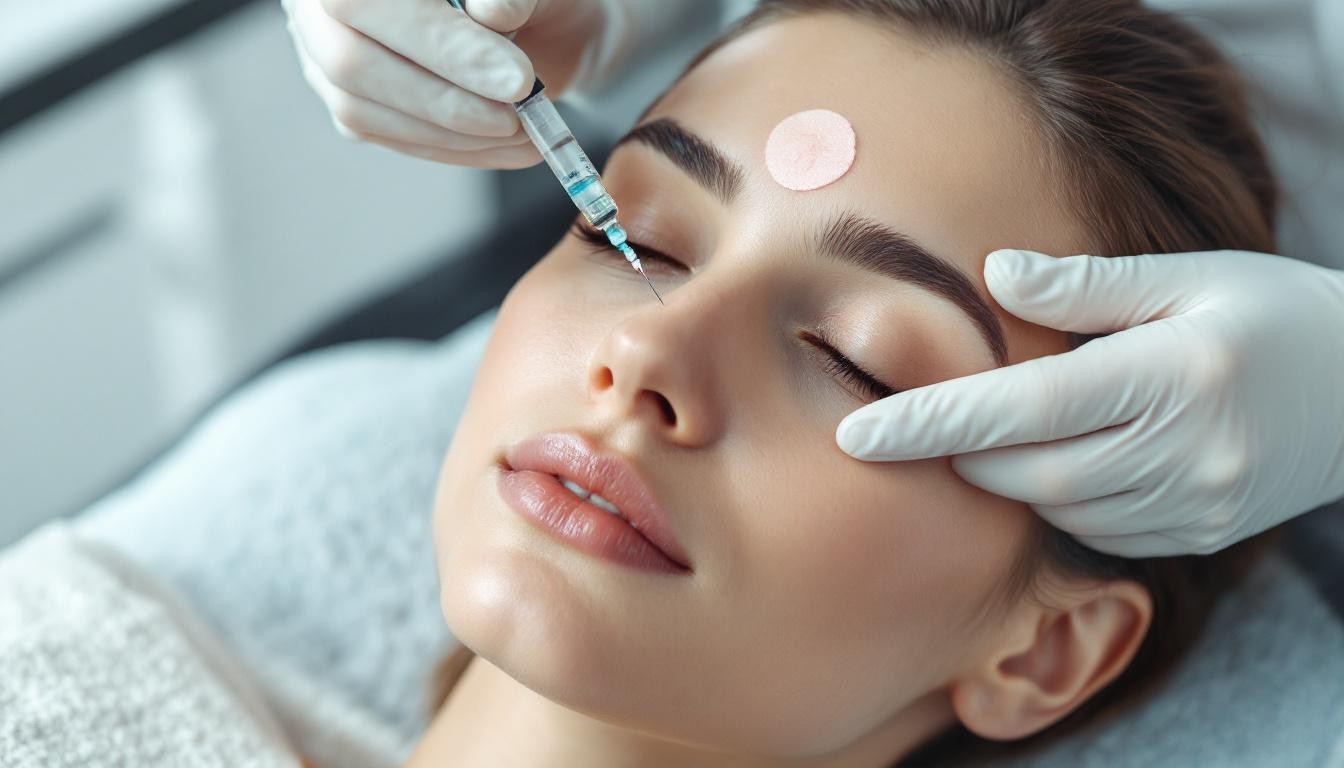
Dermal filler injections puncture small blood vessels beneath your skin during treatment, which causes blood to leak into the tissue around the injection site. This process creates the visible discoloration that patients recognize as bruises. The needle penetrates multiple tissue layers to reach optimal placement depth, which makes some degree of vascular disruption unavoidable.
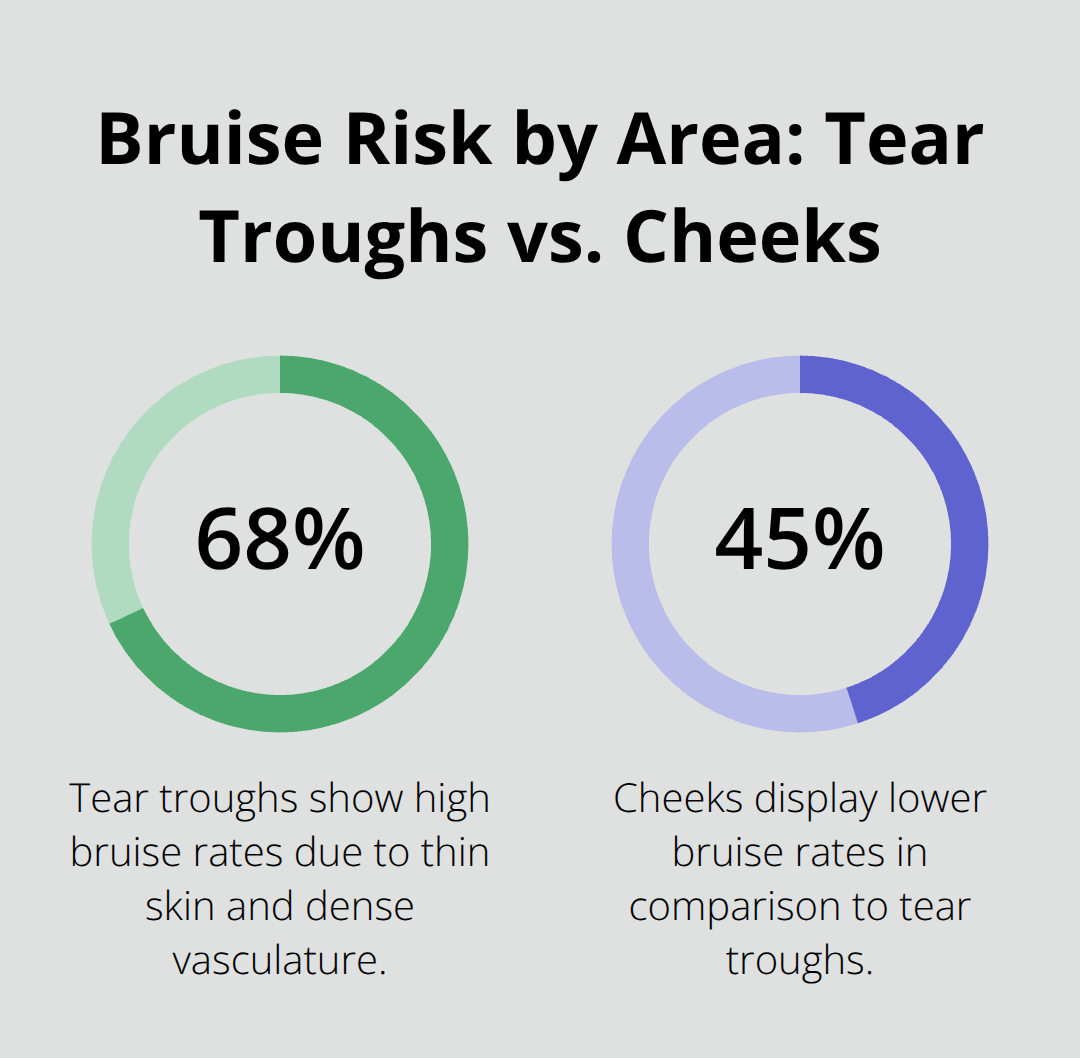
Areas with thinner skin and higher blood vessel density face greater bruise risk. This explains why tear troughs show bruise rates up to 68% compared to cheeks at 45%. The anatomy of each facial region determines how likely you are to develop visible discoloration after treatment.
Personal Risk Factors That Affect Bruise Development
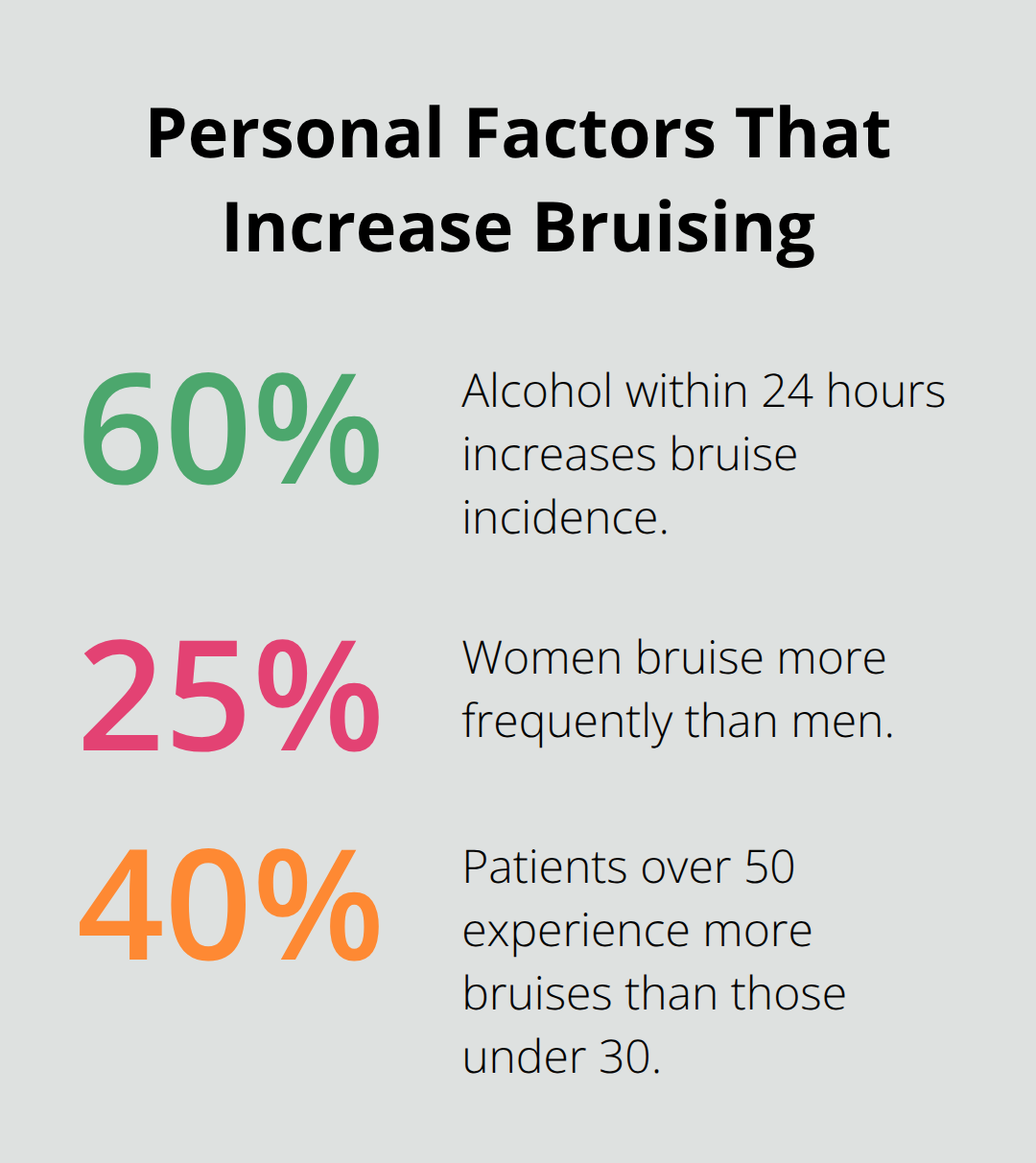
Age significantly impacts your likelihood of developing bruises after filler treatment. Patients over 50 experience 40% more bruises than those under 30 due to decreased skin elasticity and more fragile blood vessels. Blood-thinning medications can cause increased bleeding and bruising, which makes aspirin and ibuprofen particularly problematic choices before treatment.
Alcohol consumption within 24 hours before your appointment increases bruise incidence by 60% according to clinical studies. Women bruise 25% more frequently than men due to hormonal differences and typically thinner facial skin. Patients with liver conditions or clotting disorders face substantially higher rates of post-treatment discoloration.
High-Risk Treatment Areas
Lips and tear troughs represent the most bruise-prone injection sites, with incidence rates that reach 70-80%. The perioral area contains dense vascular networks that make visible discoloration almost inevitable after treatment. Nasolabial folds follow closely with 55% bruise rates due to facial muscle movement and blood vessel concentration.
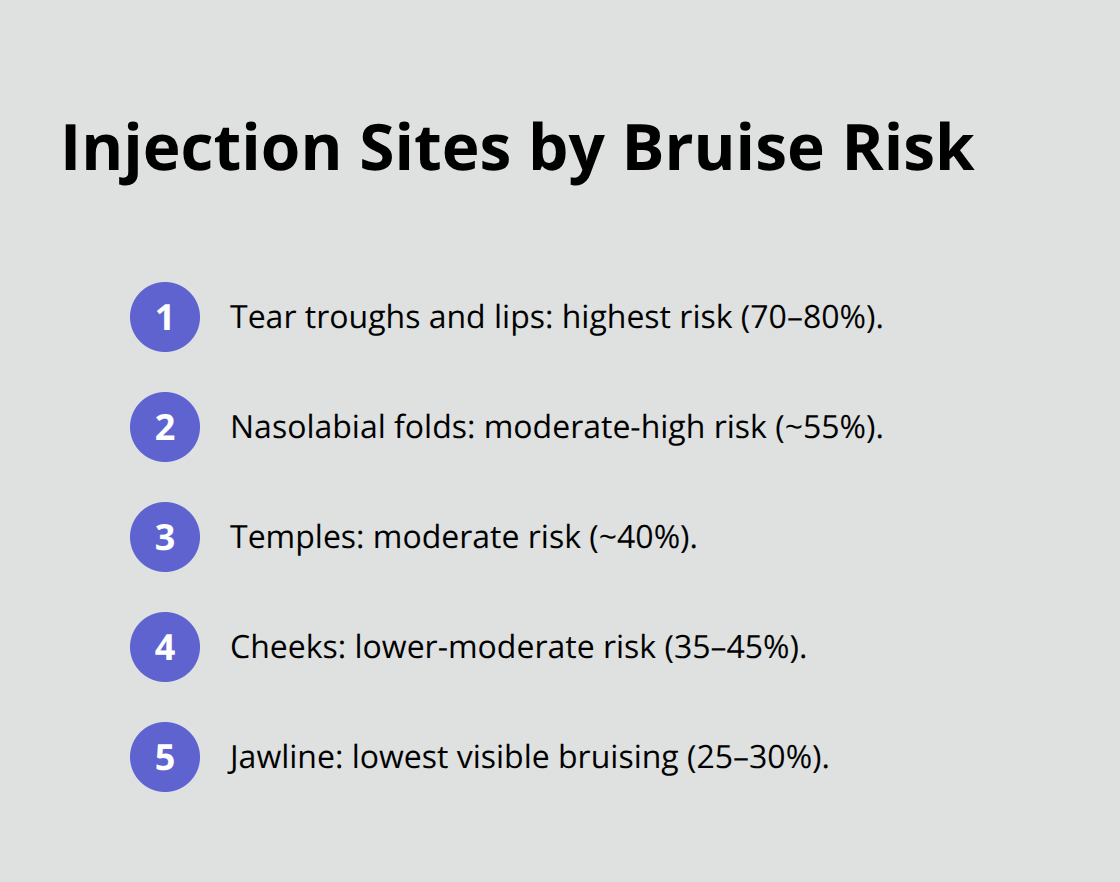
Cheek treatments show lower rates at 35-45%, while jawline injections typically produce the least visible bruises at 25-30%. Temple injections carry moderate risk at 40% due to their proximity to the temporal artery (a major blood vessel in this region). These site-specific risks help you plan treatments around important events and prepare for your recovery timeline.
Now that you understand what causes bruises after filler treatment, you can take specific steps to minimize your risk and optimize your healing process.
How to Minimize Bruising Before and After Treatment
Stop Blood Thinners Two Weeks Before Treatment
Stop aspirin, ibuprofen, and naproxen at least 14 days before your appointment to reduce bleeding risk. Fish oil supplements increase bleeding time and require cessation 10 days prior to treatment. Vitamin E supplements thin blood and need elimination 7 days beforehand. Green tea contains natural blood thinners that affect clotting for 48 hours, which makes avoidance essential before treatment. Garlic supplements and ginkgo biloba extend bleeding time significantly and need removal from your routine 5 days before injections.
Alcohol acts as a vasodilator and increases bruise likelihood when consumed within 24 hours of treatment. Women who take hormonal contraceptives face higher bruise rates due to estrogen effects on blood vessels. Patients on prescription blood thinners like warfarin require medical clearance and careful coordination with their physicians.
Apply Ice and Take Arnica Before Your Appointment
Apply ice for 10 minutes immediately before treatment to constrict blood vessels and reduce bruise formation. Take Arnica montana tablets 5 days before treatment to decrease bruise severity and duration according to multiple clinical studies. Eat fresh pineapple to provide bromelain enzyme that reduces inflammation and speeds healing when consumed 3 days before your appointment.
Sleep with your head elevated on two pillows for 48 hours after treatment to minimize swelling and fluid accumulation. Avoid strenuous exercise for 72 hours post-treatment as increased blood pressure worsens bruise development. Apply cold compresses for 15-minute intervals during the first 24 hours to maintain vasoconstriction and limit bleeding into tissues.
Follow Proper Aftercare Guidelines
Wait 24 hours after treatment before makeup application to prevent bacterial contamination and additional trauma to injection sites. Use gentle skincare routines with fragrance-free products to protect healing skin from irritation. Maintain proper hydration as fillers attract water molecules to preserve their volumizing effects over time (this process continues for several weeks after treatment).
Schedule treatments 3 weeks before important events to allow complete healing and optimal results to develop. Patients who follow these protocols experience fewer visible bruises compared to those who ignore preparation guidelines.
These prevention strategies significantly reduce your bruise risk, but some discoloration may still occur despite your best efforts.
Managing Bruising and Recovery Timeline
What Normal Bruising Looks Like
Normal filler bruises appear as small purple or blue spots at injection sites within 24-48 hours after treatment. The discoloration typically measures 1-3 millimeters in diameter and feels tender to touch. Fresh bruises display deep purple or blue colors that progress through predictable changes as healing occurs. Days 2-3 produce the most visible bruises as blood products break down and spread through tissue layers.
Expected Color Changes During Recovery
Bruises shift from purple-blue to green-yellow over 5-7 days as your body processes blood products. Green colors appear around day 4-5 when biliverdin forms from hemoglobin breakdown. Yellow hues emerge on days 6-8 as bilirubin develops and signals final healing stages. Complete resolution occurs within 10-14 days for healthy patients, though some faint discoloration may persist slightly longer in areas with thinner skin (like tear troughs).
Timeline for Complete Healing
Most patients see significant improvement after day 5 when bruises begin to fade noticeably. Swelling peaks within 72 hours and subsides gradually over the following week. The combination of swelling and bruises creates the most dramatic appearance during days 2-4 after treatment. Makeup application becomes effective around day 3-4 when surface healing allows gentle coverage techniques.
Warning Signs That Require Medical Attention
Contact your provider immediately if bruises expand beyond 2 centimeters or develop hard lumps underneath the skin. Persistent bruises that worsen after day 5 instead of improving indicate potential complications. Severe pain, warmth, or red streaks around injection sites suggest infection and need urgent evaluation. Bruises that last longer than 21 days require professional assessment to rule out underlying clotting disorders or vascular complications (these cases remain rare but need prompt attention).
Final Thoughts
Dermal fillers bruising affects most patients but remains manageable with proper preparation and realistic expectations. The 70% bruise rate drops significantly when you avoid blood thinners, apply ice before treatment, and follow aftercare instructions. Most bruises resolve within 10-14 days through predictable color changes from purple to yellow.
Experienced providers make the difference between minimal bruises and prolonged recovery. Skilled injectors use proper techniques, cannulas when appropriate, and understand facial anatomy to reduce vascular trauma. We at YouShine Med Spa combine advanced injection techniques with comprehensive pre-treatment education to minimize your bruise risk and optimize your recovery.
Plan treatments 3 weeks before important events to allow complete recovery and prevent disappointment. Bruises indicate normal healing, not treatment failure (your body processes blood products naturally). Visible improvements begin around day 5, and with proper preparation and professional care, dermal filler treatments deliver beautiful results with manageable side effects.