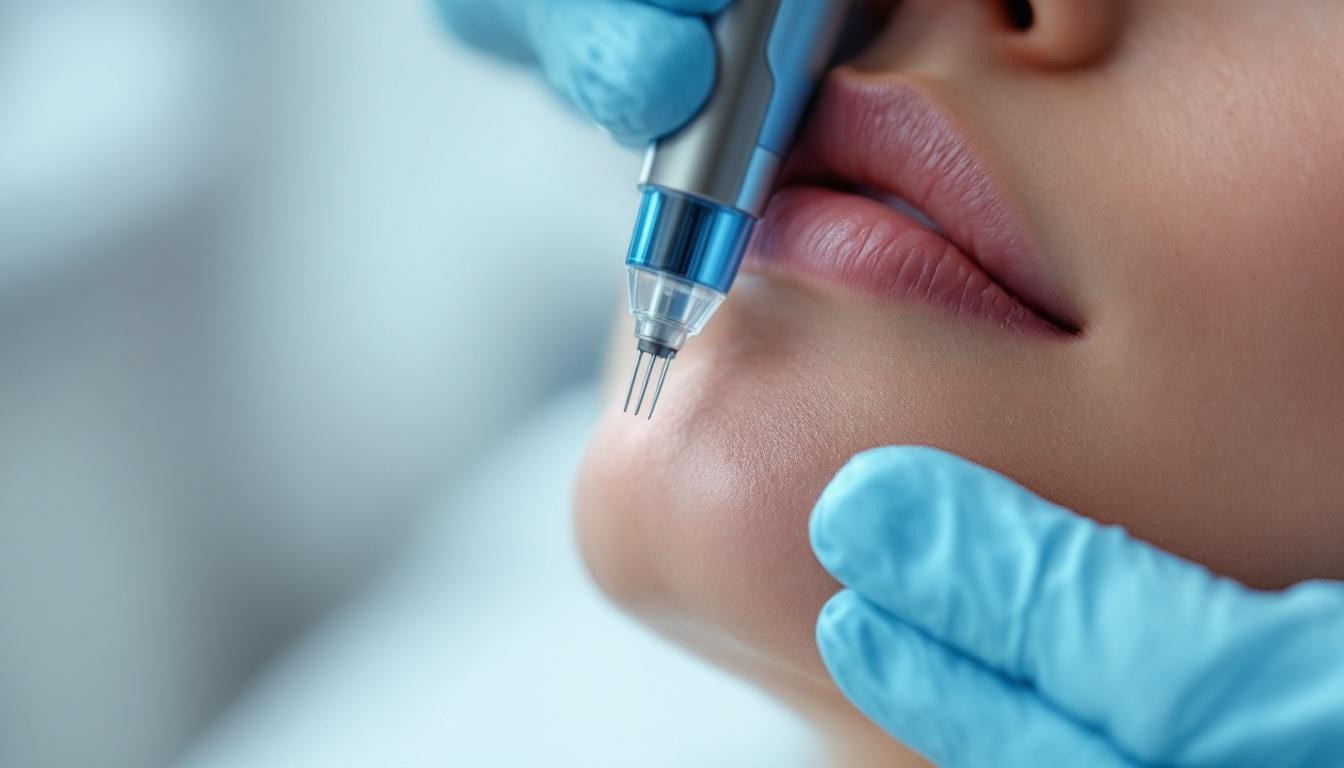

Botox and dermal fillers are the two most popular anti-aging treatments we recommend at YouShine Med Spa, yet they work in completely different ways. One stops wrinkles before they form, while the other restores volume your skin has lost over time.
Understanding dermal fillers versus Botox helps you make the right choice for your specific concerns. This guide breaks down how each treatment works so you can decide what’s best for you.
How Botox Works on Your Face
Botox stops wrinkles from forming by relaxing the muscles beneath your skin that cause expression lines. When you frown, squint, or raise your eyebrows repeatedly over decades, those muscle contractions create permanent creases in your skin. Botox works by blocking the signal between nerves and muscles, preventing that constant movement that deepens lines. This is why it’s most effective on dynamic wrinkles-the ones that appear when you move your face. The forehead lines, crow’s feet, and frown lines between your eyebrows respond best because these areas move the most during facial expressions. Botox won’t help much with static wrinkles that are visible even when your face is completely relaxed, which is where dermal fillers become valuable instead.
When Results Start Showing
Most people see changes within three to five days, though full results take about two weeks. Your muscles don’t stop contracting immediately after the injection. The botulinum toxin needs time to bind to the nerve endings and block acetylcholine release, which is the chemical messenger that tells muscles to contract. If you plan an event, schedule your appointment at least fourteen days ahead. Some people experience slight redness or swelling at injection sites for a few hours, but there’s no real downtime. You can return to your normal routine right away, which makes Botox appealing for busy professionals. The gradual improvement over two weeks feels natural and keeps people from looking suddenly frozen if the dosing is appropriate.
Understanding the Duration and Maintenance
Botox effects last approximately three to four months, which means you’ll need regular maintenance treatments to maintain the results. Your body gradually metabolizes the botulinum toxin, and your muscles slowly regain their ability to contract. Most people schedule appointments every twelve to sixteen weeks to maintain consistent results. Some research suggests that repeated Botox use over years might slightly extend the duration between treatments, as muscles become conditioned to less movement. The cost of ongoing maintenance matters-at typical pricing of $10 to $15 per unit and most forehead treatments requiring twenty to thirty units, you’ll spend $200 to $450 per session. This adds up to roughly $800 to $1,800 annually if you maintain your results consistently.
What About Dermal Fillers?
While Botox addresses dynamic wrinkles caused by muscle movement, dermal fillers tackle a completely different problem. Fillers restore volume that your skin loses as you age, which makes them ideal for static lines and hollows that exist whether your face moves or not. Understanding how these two treatments differ helps you determine which one (or both) addresses your specific concerns.
How Dermal Fillers Restore Volume and Smooth Lines
Dermal fillers work through an entirely different mechanism than Botox. Instead of relaxing muscles, fillers add volume beneath your skin to lift sagging areas and smooth out static wrinkles that remain visible even when your face is completely still. As you age, your skin loses hyaluronic acid and collagen, which causes hollowing under your eyes, flattening of your cheeks, and deepening of lines around your mouth and nose. Fillers restore this lost volume, and the results appear immediately after injection.
Immediate Results That Botox Can’t Match
Unlike Botox, you won’t wait two weeks to see improvement. The filler material integrates with your skin tissue and stimulates collagen production in some cases, which means the benefits can extend beyond the initial plumping effect. Static wrinkles-those visible even when your face is at rest-respond exceptionally well to fillers. Nasolabial folds, marionette lines, thin lips, and under-eye hollows all benefit from this approach because these issues don’t improve with muscle relaxation alone.
Choosing the Right Filler Type
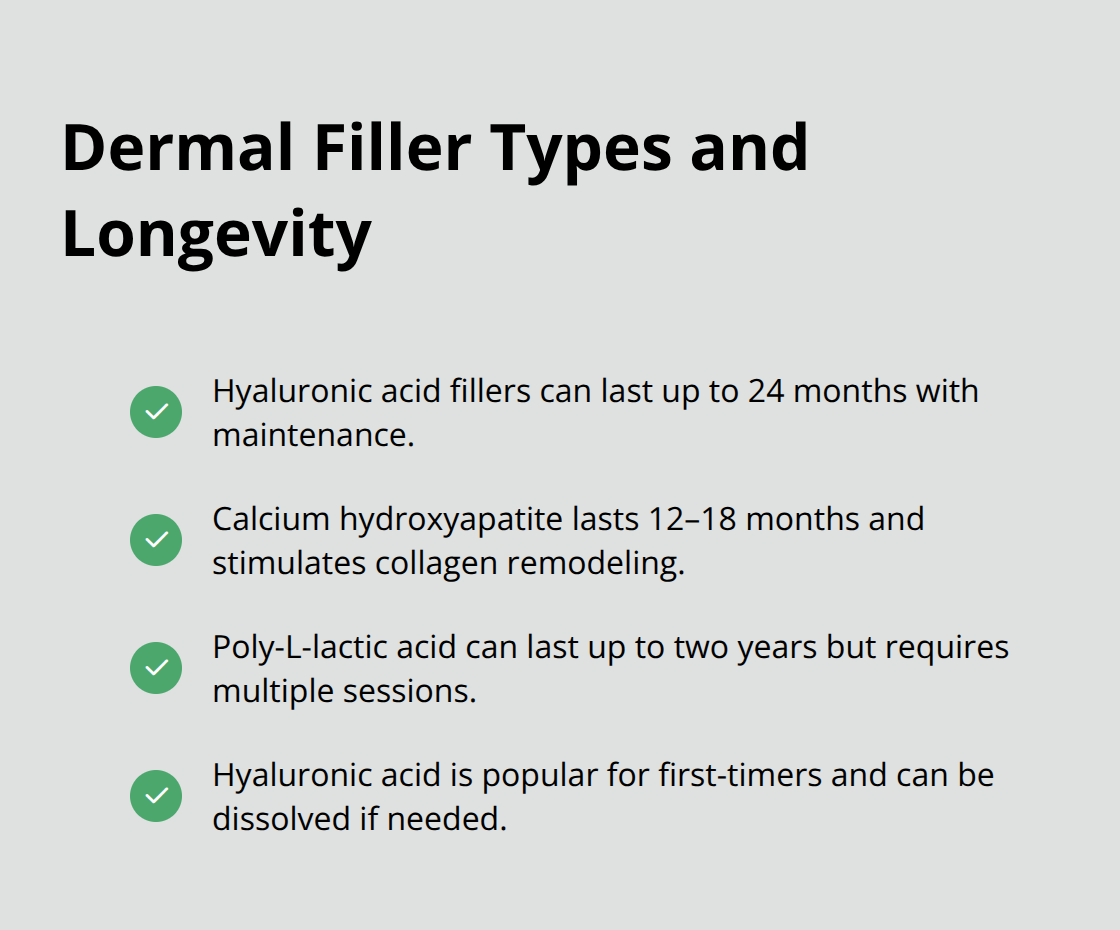
The type of filler you select matters significantly because different products have different compositions and longevity. Hyaluronic acid fillers like Juvéderm and Restylane can last up to 24 months with maintenance treatments, while calcium hydroxyapatite fillers last twelve to eighteen months and stimulate more collagen remodeling. Poly-L-lactic acid fillers provide results lasting up to two years but require multiple sessions spaced weeks apart. Hyaluronic acid remains the most popular choice because it’s the most forgiving for first-time users and can be dissolved if you’re unhappy with results.
Understanding Costs and Recovery
Pricing varies widely based on the filler type and how many syringes you need, typically ranging from $500 to $800 per syringe. Thinner areas like lips require less product, while deeper lines and cheek hollows demand more volume. Most people experience mild swelling and bruising for a few days after treatment, though some patients have minimal side effects and can return to work immediately. This minimal downtime makes fillers practical for those with busy schedules.
What Happens When You Combine Both Treatments
Many patients achieve superior results when they pair fillers with Botox rather than choosing one treatment alone. Botox stops new wrinkles from forming while fillers restore volume that muscle relaxation alone cannot address. This combination approach targets both dynamic and static aging concerns simultaneously, which is why understanding how these treatments complement each other matters for your decision.
Which Treatment Targets Your Specific Aging Concern
Botox and dermal fillers address fundamentally different aging problems, which means your choice depends entirely on what you’re trying to fix. Botox works exclusively on dynamic wrinkles caused by repetitive facial movements, while fillers target static lines and volume loss that persist whether your face moves or not. If you see wrinkles only when you frown, squint, or raise your eyebrows, Botox is your answer. If you notice lines and hollows that are visible even when your face is completely relaxed, fillers are what you need. This distinction matters because using the wrong treatment wastes money and delivers disappointing results.
Matching Treatments to Your Wrinkle Type
Someone with deep nasolabial folds and under-eye hollows will see minimal improvement from Botox alone because muscle relaxation doesn’t restore missing volume. Similarly, someone with prominent forehead lines caused purely by muscle movement won’t benefit much from fillers without also using Botox to stop the underlying muscle contractions that deepen those lines over time. The right choice hinges on identifying whether your wrinkles appear with facial movement or remain visible at rest.
Cost Comparison Over One Year
The financial commitment differs significantly between these treatments. Botox costs roughly $800 to $1,800 annually based on $10 to $15 per unit pricing and typical forehead treatments requiring twenty to thirty units, with appointments every twelve to sixteen weeks. Dermal fillers typically cost $500 to $800 per syringe, and most people need one to three syringes per treatment session depending on their concerns and filler type. A single hyaluronic acid filler treatment might cost $500 to $2,400 upfront, but the results last up to 24 months, which spreads the cost differently than Botox’s quarterly maintenance schedule. Calcium hydroxyapatite fillers last twelve to eighteen months and cost similarly, while poly-L-lactic acid fillers require multiple sessions spaced weeks apart, potentially increasing total treatment costs.
Calculate your actual annual spending based on your specific needs rather than assuming one option is always cheaper. Someone treating only crow’s feet with Botox might spend less annually than someone treating deep nasolabial folds with fillers, but someone addressing multiple areas with fillers lasting two years might spend less per year than someone maintaining Botox quarterly.
Recovery Time and Practical Considerations
Botox requires zero downtime, making it genuinely convenient for people with demanding schedules. You can inject Botox during a lunch break and return to work immediately without explanation. Dermal fillers typically cause mild swelling and bruising lasting two to five days, though some patients experience minimal side effects and return to normal activities immediately. This difference matters if you have important meetings or events scheduled.
If you’re traveling for work next week, Botox is the safer choice. If you have two weeks before a major event, fillers work well because any swelling resolves by then. Duration also affects convenience differently than most people realize. Botox requires appointments every twelve to sixteen weeks, meaning four treatments annually. Fillers might require only two treatments annually if you choose products lasting 18 to 24 months, even though each appointment involves slightly longer recovery. This means fewer total visits to the office, which appeals to busy professionals.
Combining Both Treatments for Superior Results
Many patients achieve superior results when they pair fillers with Botox rather than choosing one treatment alone. Botox stops new wrinkles from forming while fillers restore volume that muscle relaxation alone cannot address. This combination approach targets both dynamic and static aging concerns simultaneously, which is why understanding how these treatments complement each other matters for your decision. The synergy between these two approaches (addressing muscle movement and volume loss at the same time) often produces more natural and comprehensive improvements than either treatment alone.
Final Thoughts
Your specific aging concerns should guide your choice between dermal fillers versus Botox. Someone with prominent forehead lines from constant frowning needs Botox to address the underlying muscle movement, while someone with deep nasolabial folds and under-eye hollows needs fillers to restore missing volume. Someone with both concerns benefits from combining both treatments strategically, and this combination approach often produces more natural results than either treatment alone.
Cost, recovery time, and maintenance schedules also factor into your decision significantly. Botox requires quarterly appointments with zero downtime but costs roughly $800 to $1,800 annually, while fillers might require only two treatments yearly if you choose longer-lasting products (though they involve mild swelling for a few days). Calculate your actual annual spending based on your specific needs rather than assuming one option is always cheaper.
The most important step is consulting with a skilled professional who understands your goals and can recommend the right approach for your face. Schedule a consultation with YouShine Med Spa to discuss which treatments address your concerns most effectively, and our expert team will create a personalized treatment plan tailored to your needs.