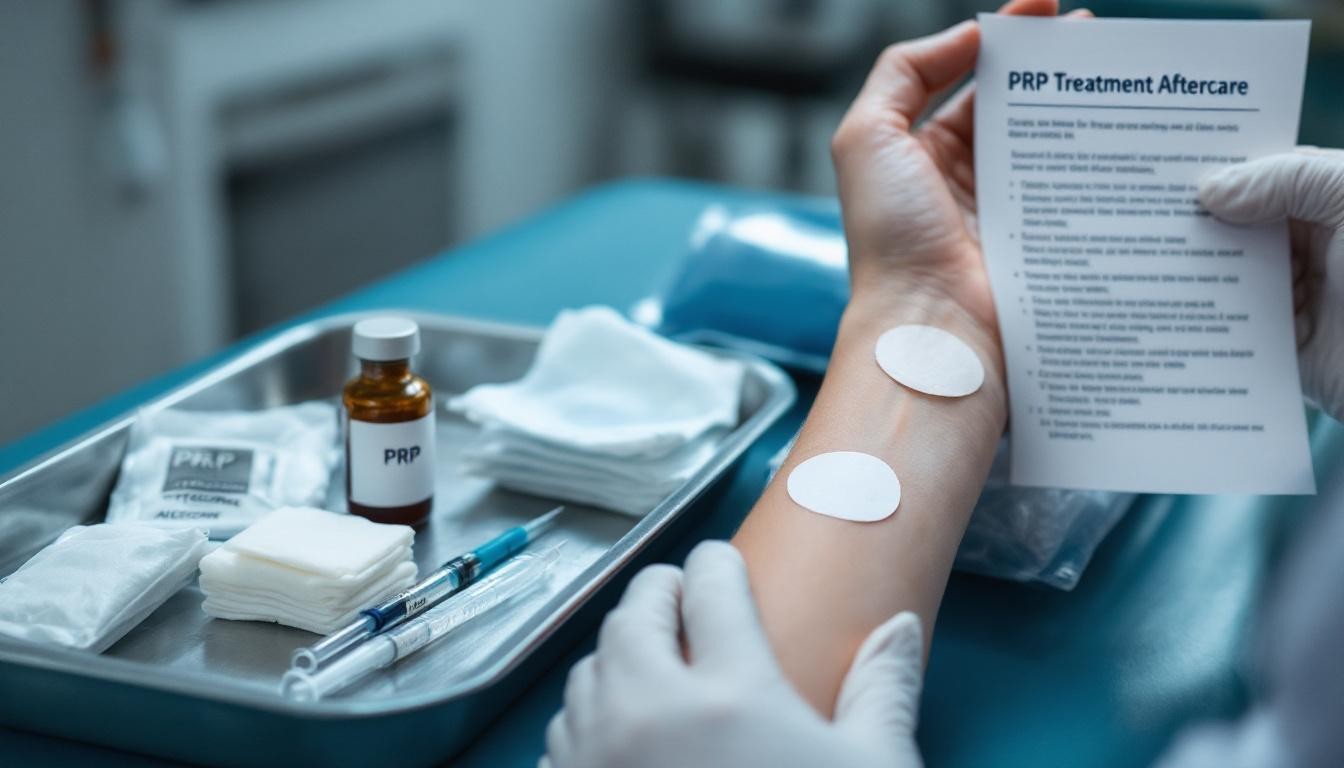
PRP treatment aftercare is where the real work happens. The first few days after your procedure determine whether you’ll see dramatic results or disappointing ones.
At YouShine Med Spa, we’ve seen clients who followed proper aftercare protocols achieve transformative outcomes, while those who didn’t often struggled with prolonged swelling and subpar results. This guide walks you through exactly what to do-and what to avoid-to maximize your investment.
The First 24 Hours After Your PRP Injection
The first day after PRP treatment is when your body’s healing response kicks into high gear, and what you do-or don’t do-directly shapes your results. Redness, swelling, warmth, and mild to moderate pain are completely normal during this initial inflammatory stage. These aren’t signs something went wrong; they’re evidence that the concentrated growth factors from your own blood activate your body’s repair mechanisms. Pain typically peaks within the first few days and can last three to four days, though some patients experience discomfort up to two weeks. Swelling usually resolves within hours to a couple of days, but redness may linger slightly longer. You should not submerge the injection site in water for the first 48 hours-this means no baths, hot tubs, or swimming-though showering is fine as long as you keep direct water pressure away from the treated area. If you received PRP in your hair, avoid washing your scalp entirely for the first 24 hours and refrain from touching, scratching, or rubbing the injection site during this window to reduce irritation risk and infection potential.
Managing Discomfort Without Sabotaging Healing
Pain control matters, but your medication choices directly impact PRP effectiveness. Acetaminophen like Tylenol is your safest option for managing discomfort. Avoid NSAIDs including ibuprofen, naproxen, Advil, and Motrin for at least two weeks after your procedure-these drugs interfere with platelet function and undermine the healing process you’re paying for. For the first one to two days, ice can help reduce pain and swelling; apply ice for 15 to 20 minutes at a time with at least 30 minutes between applications, but stop using ice after day two since your body needs inflammation to heal properly. Heat should be avoided entirely during the first three to four days. Hydration is non-negotiable-drink plenty of water for 48 hours before and after your injection to support blood flow and cellular function.
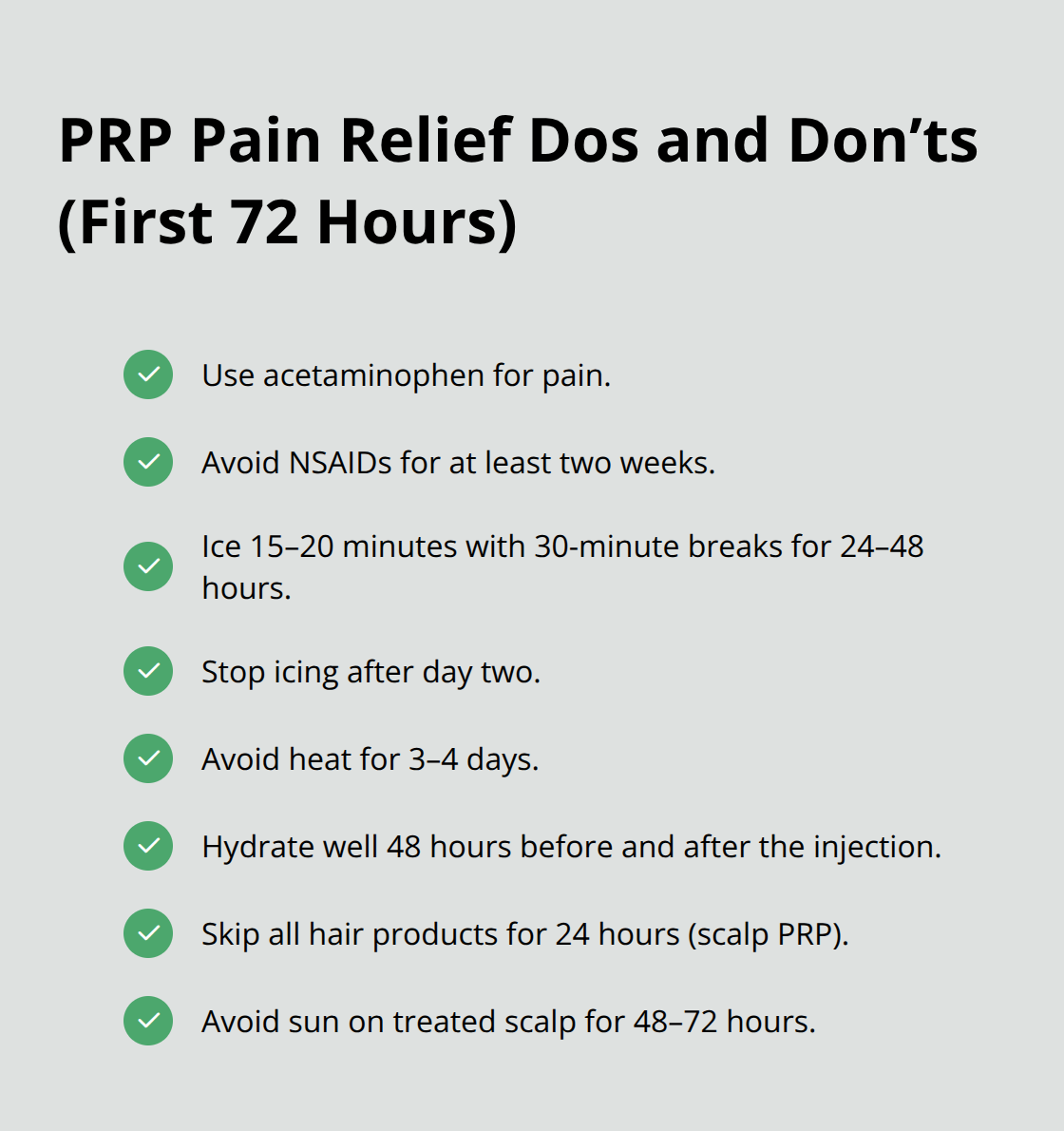
If you received PRP in your hair, skip all hair products including sprays, gels, serums, and styling tools for the first 24 hours, and avoid sun exposure on the treated scalp for 48 to 72 hours since UV rays irritate healing tissue and slow regeneration.
What Rest Actually Means
Resting for three days is the standard recommendation, particularly avoiding any strenuous exercise or activities that cause sweating. Light walking or gentle stretching remains acceptable within the first 24 to 48 hours, but heavy exertion increases swelling and irritation precisely when your tissue is most vulnerable. If you received PRP for a joint or tendon, you may experience a significant pain increase after the procedure-this is expected, not alarming. Plan to have someone drive you home since post-procedure discomfort and potential swelling make driving unsafe. If your PRP was in the hip, groin, or thigh, wear compression shorts; other injection sites typically have compression sleeves provided. Discuss specific work and activity restrictions with your medical team before treatment so you can plan accordingly-some jobs or hobbies may need modification for two weeks or longer depending on your injection location and healing response. Your next steps involve understanding what happens as your body moves through the subsequent healing stages and how to support tissue regeneration over the coming weeks.
Essential Aftercare Steps for Optimal Results
Protecting Your Injection Site While Healing Progresses
Your injection site isn’t just sore-it’s actively regenerating, and contamination or irritation can derail the entire healing process. Keep the area clean but avoid aggressive washing. If you received PRP for hair restoration, wait a full 24 hours before any hair washing, then use only mild, sulfate-free products for the next 72 hours. Direct shower pressure on the treated scalp should be avoided for at least 24 hours; let water run gently over the area instead. For joint or tendon injections, you can shower normally but don’t submerge the site in baths or hot tubs for 48 hours, as prolonged water exposure compromises the injection site’s integrity.
Touching, scratching, or rubbing the treated area for the first three days introduces bacteria and causes unnecessary inflammation that competes with your healing response. This means no hair styling, no aggressive scalp massages, and no picking at any minor redness or swelling. Harsh products sabotage your results during this window-avoid anything containing sulfates, alcohol-based styling products, or dry shampoo on treated scalp areas. Chemical treatments like hair dye should wait at least seven to ten days; if you plan to color your hair, do it two to three days before your PRP appointment instead.
Sun Exposure and Environmental Protection
Sun exposure accelerates inflammation and slows regeneration, so protect the treated area from direct sunlight for 48 to 72 hours. Wear a breathable hat or stay in shade if you’re outdoors during this critical window. Saunas, hot tubs, and Jacuzzis are off-limits for three days since heat increases swelling and can compromise the injection site’s stability. These environmental factors seem minor, but they directly influence how quickly your tissue regenerates and how effectively the growth factors work.
Pain Management Without Compromising Healing
Acetaminophen remains your only safe pain medication for two weeks post-treatment-NSAIDs like ibuprofen negatively impact the healing potential of PRP therapy by reducing platelet function. Ice works well for the first 24 to 48 hours, applied in 15 to 20 minute intervals with at least 30 minutes between applications, but stop ice after day two since your body needs controlled inflammation to drive the healing process forward. Heat should be completely avoided for the first three to four days.
Activity Level and Physical Therapy
Strenuous exercise and activities that cause sweating must stop for three days minimum, though light walking and gentle stretching remain acceptable within the first 24 to 48 hours. Compression garments provided at your appointment or compression shorts for hip, groin, and thigh treatments help contain swelling and support tissue stability. Physical therapy typically begins one to two weeks after your injection and plays a critical role in guiding your recovery-your medical team will provide specific guidance on when to start and what movements support rather than hinder healing.
Recognizing Warning Signs
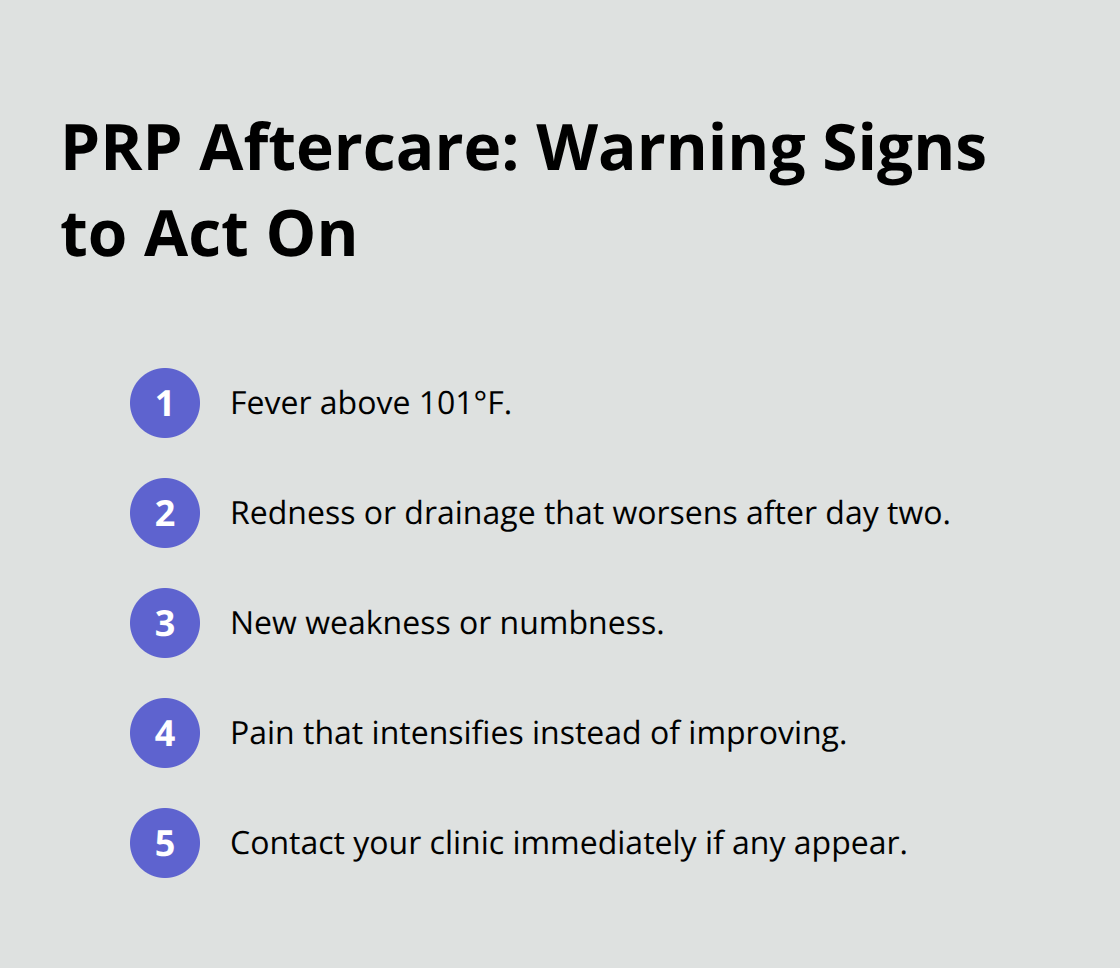
Monitor your injection site closely for signs of infection including fever above 101 degrees Fahrenheit, redness or drainage that worsens after day two, new weakness or numbness, or pain that intensifies rather than gradually improves. Contact your clinic immediately if any of these warning signs appear, as early intervention prevents complications that could extend your recovery timeline significantly.
Schedule treatments 3 weeks before important events to allow complete healing and optimal results to develop-as your body moves through the subsequent healing stages over the coming weeks, understanding the timeline for results and how to maintain them becomes your next priority.
How Long Until You See PRP Results
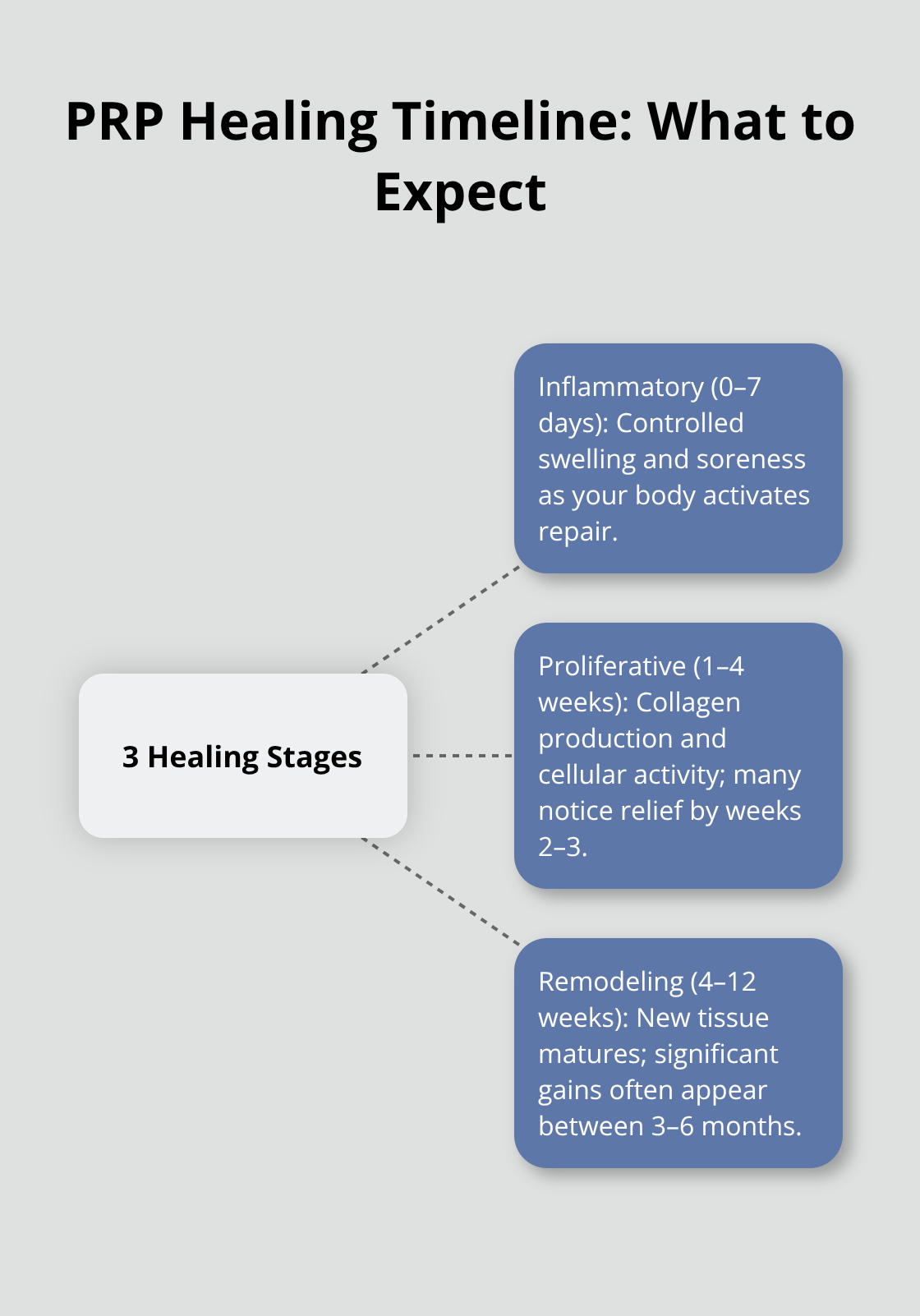
Results from PRP treatment unfold gradually across three distinct healing stages, and understanding this timeline prevents disappointment or premature conclusions about effectiveness. The inflammatory stage lasts zero to seven days, where your body responds to the injection with controlled swelling and pain as growth factors activate tissue repair. The proliferative stage spans one to four weeks, during which platelets release growth factors that promote collagen production and stem cell activity, often delivering noticeable pain relief and improved function by week two or three. The remodeling stage extends from four to twelve weeks as new tissue matures and strengthens, with most patients experiencing significant improvement between three and six months post-treatment.
Timeline for Different Injection Sites
Joint injections typically show first improvement around six weeks, while tendon injections require patience until approximately eight weeks for initial signs of healing. Maximum overall improvement continues over several months as tissue regenerates and strengthens. Physical therapy beginning one to two weeks after injection accelerates this process substantially, so committing to guided exercises and mobility work directly influences how quickly you notice results. Skipping therapy or returning to full activity too soon delays healing and reduces the treatment’s effectiveness, making adherence to your physician-approved timeline non-negotiable for optimal outcomes.
Nutrition That Supports Healing
Maintaining results after PRP treatment demands lifestyle choices that support tissue strength and prevent re-injury. A nutrient-rich diet significantly impacts healing outcomes, particularly foods that boost red blood cell production and oxygen transport. Dark leafy greens like spinach and kale provide vitamins and minerals supporting healthy blood cells, while iron-rich sources including red meat, poultry, and fish improve hemoglobin production. Vitamin B-12 from meat, dairy, and eggs strengthens blood health and healing capacity.
Exercise and Lifestyle Habits
Regular high-intensity cardiovascular exercise like running, cycling, or stair climbing enhances blood flow and red blood cell production, supporting sustained PRP benefits over time. Smoking and alcohol impair healing and platelet function, so eliminating these habits before treatment and maintaining abstinence for several weeks afterward preserves your results. Avoid foods that reduce platelets or hinder healing, including cranberry juice, tonic water, and cow’s milk, while minimizing refined grains, sugar, and processed foods that promote inflammation.
Planning Follow-Up Treatments
Schedule follow-up treatments based on your physician’s assessment of your progress, as some conditions respond to single injections while others benefit from multiple treatments spaced according to your healing timeline. Your medical team tracks your progress through data surveys at treatment time and months afterward, ensuring your follow-up plan aligns with your actual healing response rather than generic timelines.
Final Thoughts
PRP treatment aftercare determines whether your tissue regenerates optimally or heals with complications-every decision you make in those first 24 hours directly shapes your results. The patients who thrive at YouShine Med Spa treat aftercare as seriously as the procedure itself, avoiding NSAIDs without exception, protecting their injection sites from contamination, and committing to physical therapy when it begins. They understand that joint injections typically improve around six weeks and tendon injections around eight weeks because they’ve internalized that healing takes time.
Your next step is straightforward: schedule your PRP treatment consultation with YouShine Med Spa and discuss your specific aftercare plan before your procedure date. Ask your provider exactly which activities to avoid, when physical therapy begins, and what warning signs demand immediate attention. Bring someone to drive you home, arrange time off work if needed, and stock acetaminophen before your appointment.
Write down your restrictions and post them somewhere visible so you won’t accidentally sabotage your healing during a moment of forgetfulness. The investment you make in proper PRP treatment aftercare pays dividends through months of progressive improvement and results that last.