Hair loss affects roughly 50 million men and 30 million women in the United States. If you’re looking for a treatment that works with your body’s natural healing abilities, platelet rich plasma scalp therapy offers real results backed by clinical evidence.
At YouShine Med Spa, we’ve seen firsthand how PRP can restore hair growth where other treatments fall short. This guide walks you through how the treatment works, what to expect, and whether it’s right for you.
How PRP Restores Hair Growth
The Growth Factors That Activate Dormant Follicles
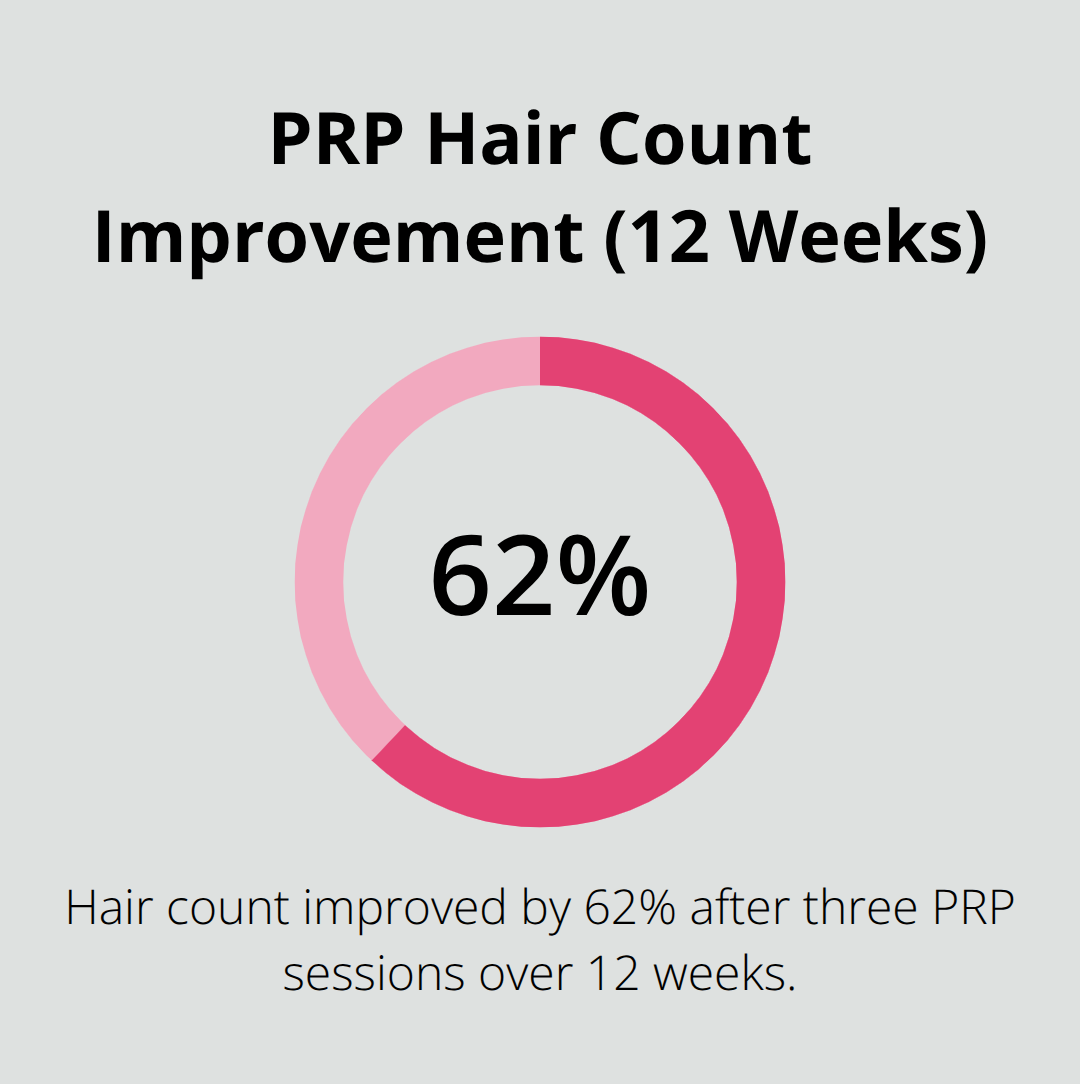
Platelet-rich plasma works because it contains growth factors that directly stimulate dormant hair follicles. When we draw your blood and centrifuge it, we concentrate platelets to levels roughly 5 to 10 times higher than normal. These concentrated platelets release growth factors including PDGF, VEGF, TGF-β, IGF-1, and FGF when injected into your scalp. A 2025 Vietnamese multicenter study published in Clinical and Cosmetic Investigative Dermatology showed hair density increased from 40.76 hairs per square centimeter at baseline to 66 hairs per square centimeter after just 12 weeks and three PRP sessions-a 62 percent improvement in hair count over three months.
How PRP Reduces Shedding and Extends Hair Growth
The same study found that positive hair pull tests dropped from 75.6 percent of patients to just 12.2 percent, meaning people experienced significantly less shedding. This happens because PRP extends the anagen phase, the active growth stage where hair actually grows. The growth factors also promote new blood vessel formation in the scalp, delivering more oxygen and nutrients directly to follicles that have weakened from androgenetic alopecia.
Platelet Concentration Determines Your Results
The quality of your PRP matters enormously. Studies show a moderate positive correlation between platelet concentration and actual hair density improvement, with higher platelet counts producing better results. Most clinical protocols recommend injections spaced one month apart for the first three months, followed by maintenance sessions every four to six months. Patient satisfaction runs exceptionally high, with the Vietnamese study reporting 97.6 percent of patients satisfied or very satisfied with results.
Timeline and Expected Improvements
Side effects remain mild and temporary, with only 22 percent experiencing itching and 7.3 percent reporting scalp pain. Meta-analyses across randomized controlled trials show PRP typically increases hair density by 18 to 39 hairs per square centimeter compared to controls. You’ll start seeing noticeable improvements within two to three months, with continued density gains through month six and beyond. The treatment works best when started early, before hair loss progresses to advanced stages, because younger age and shorter disease duration correlate with stronger response to PRP therapy. Understanding your individual timeline helps you plan realistic expectations as you move forward with treatment decisions.
What to Expect From Your PRP Hair Treatment
The PRP Procedure: What Happens During Your Session
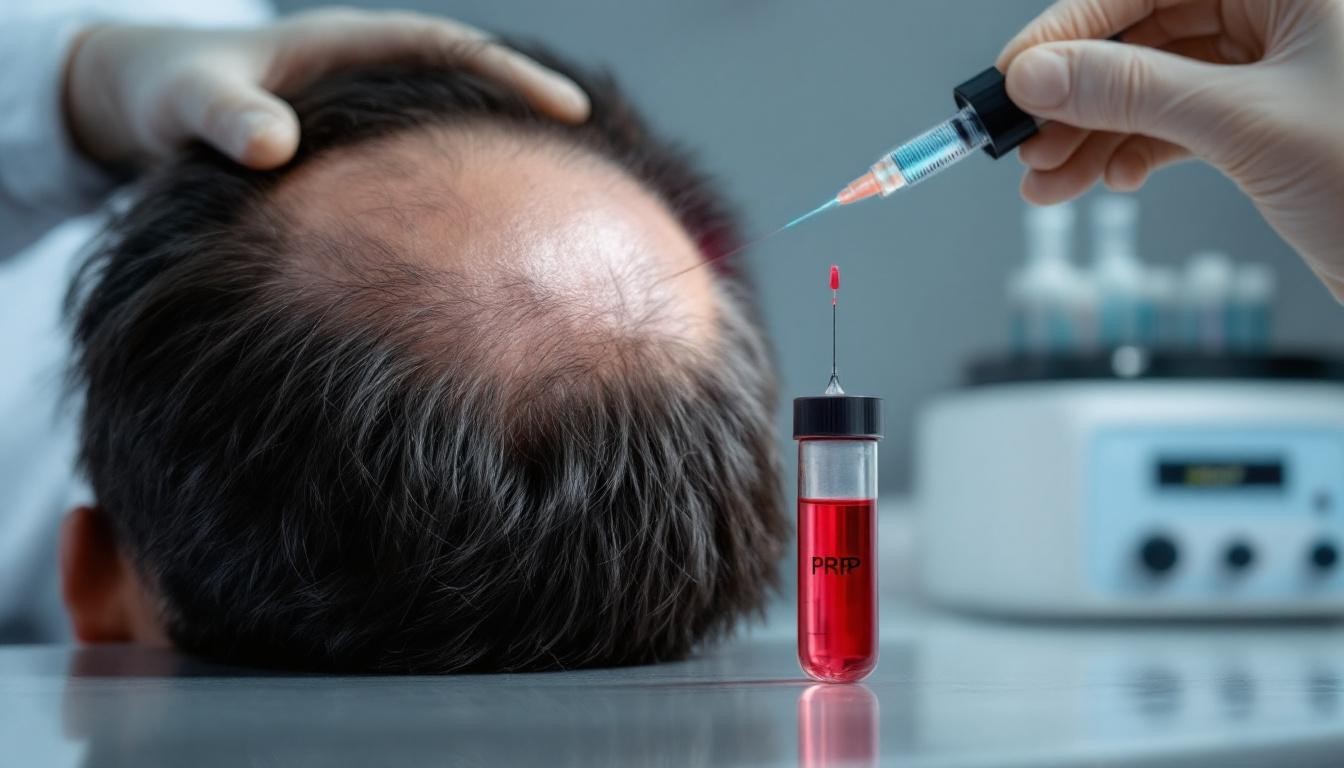
The PRP procedure takes about one hour from start to finish. We draw a small blood sample, typically 10 to 20 milliliters, then centrifuge it to concentrate your platelets to 5 to 10 times baseline levels. This concentrated plasma gets injected directly into thinning areas of your scalp using multiple injection sites spaced about one centimeter apart. The treatment requires no sedation, and you return to normal activities immediately afterward. We deliver 3 to 5 milliliters of PRP per session across carefully mapped zones to ensure even coverage of affected follicles.
Post-Treatment Care That Maximizes Your Results
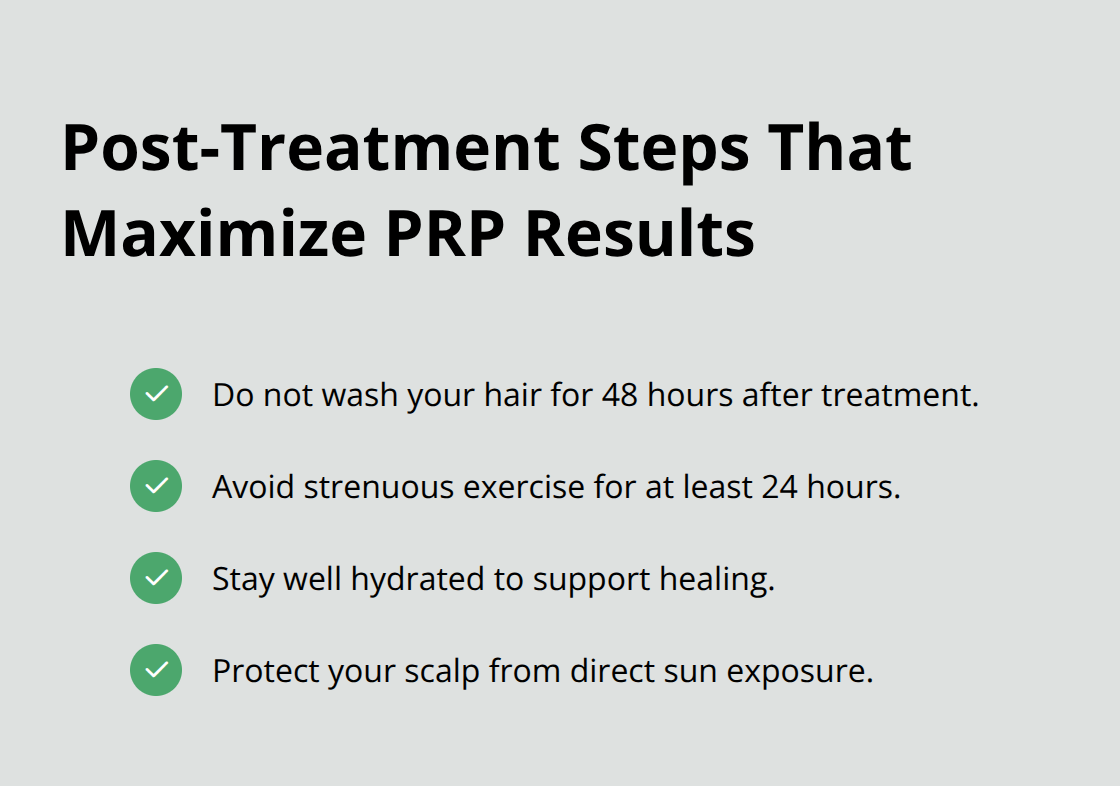
Specific post-treatment steps directly impact your results. You must avoid washing your hair for 48 hours after treatment, as this allows the growth factors to fully penetrate the scalp tissue. Skip strenuous exercise for at least 24 hours, stay well hydrated, and protect your scalp from direct sun exposure. These practical precautions are not optional if you want maximum benefit from the treatment.
Side Effects and Recovery Timeline
Most patients experience only mild side effects. A Vietnamese multicenter study found that itching at the injection site occurred in 22.0% of patients and scalp discomfort or pain in 7.3%, with these effects resolving within days. Soreness and minor swelling at injection sites are normal and temporary. You’ll begin seeing real improvements within 2 to 3 months, with hair density continuing to increase through month 6 and beyond.
Treatment Frequency and Long-Term Maintenance
The standard protocol calls for three sessions spaced one month apart, followed by maintenance injections every 4 to 6 months to sustain results. This ongoing schedule is necessary if you want lasting outcomes, since PRP effects are not permanent and require periodic reinforcement. Younger patients and those with early-stage hair loss respond more strongly than those with advanced loss, so the sooner you start, the better your results will be. Understanding your individual response helps you plan the right maintenance schedule for your specific situation, which brings us to how PRP compares with other hair loss treatments available today.
PRP vs Other Hair Loss Solutions
How PRP Differs From Minoxidil and Finasteride
PRP operates on completely different mechanics than minoxidil and finasteride, the two FDA-approved oral and topical medications most people try first. Minoxidil widens blood vessels around hair follicles, while finasteride blocks the hormone DHT that drives androgenetic alopecia in men. PRP takes a direct biological approach by injecting growth factors that activate dormant follicles themselves.
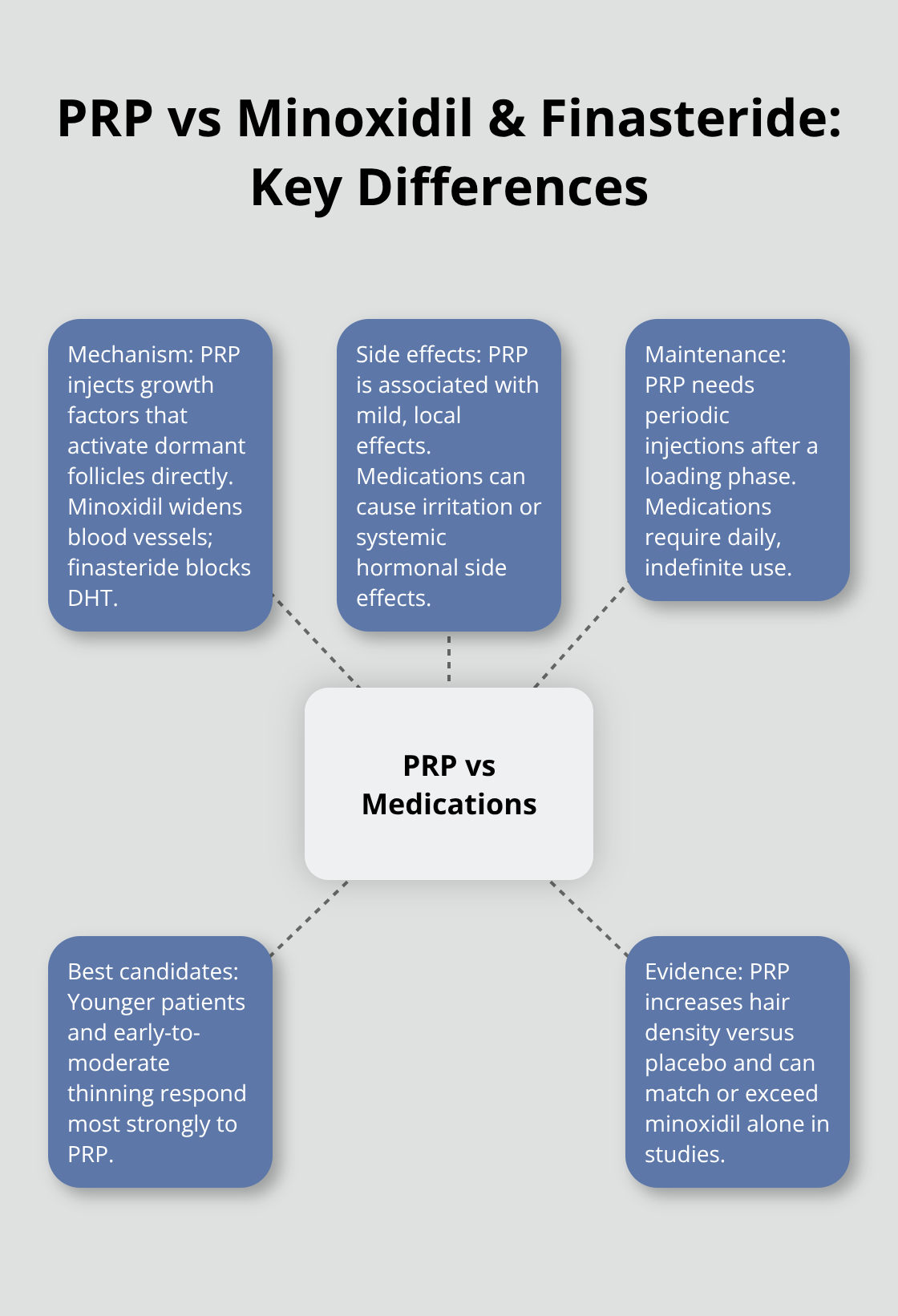
Clinical data shows PRP increases hair density compared to placebo, matching or exceeding what minoxidil alone achieves in many studies.
Side Effect Profiles That Favor PRP
The critical difference lies in tolerability and side effect profiles. Minoxidil causes scalp irritation, dryness, and unwanted facial hair growth in roughly 3 to 5 percent of users. Finasteride carries systemic hormonal risks including sexual dysfunction in 1 to 2 percent of men, plus potential long-term concerns that concern many patients. PRP side effects remain genuinely mild-22 percent experience minor itching, 7.3 percent report scalp tenderness-and these resolve within days without affecting systemic health. If you’ve struggled with minoxidil irritation or avoided finasteride due to hormonal concerns, PRP offers a tangible alternative that works through your body’s own healing mechanisms rather than chemical or hormonal intervention.
Long-Term Commitment and Maintenance Burden
The real advantage of PRP emerges over longer timeframes. Minoxidil and finasteride require ongoing use to maintain results, meaning you commit to a long-term regimen with ongoing medication costs and potential side effects accumulating over time. PRP requires periodic injections every 4 to 6 months after your initial three-month loading phase, but the treatment itself stimulates your follicles to work better naturally rather than chemically suppressing hair loss.
Who Responds Best to PRP Treatment
Younger patients with early to moderate hair thinning see the strongest responses to PRP, with studies showing significantly better outcomes in people under 40 and those within five years of hair loss onset. For advanced androgenetic alopecia, PRP works best as a complementary treatment alongside minoxidil, with combination therapy achieving greater increases in hair count than either treatment alone. The maintenance burden with PRP is lighter than daily medications, and you avoid the systemic side effects entirely, making it genuinely attractive for people seeking natural biological stimulation over pharmaceutical intervention.
Final Thoughts
PRP hair restoration works because it harnesses your body’s own healing mechanisms to reactivate dormant follicles. The clinical evidence is clear: platelet rich plasma scalp therapy increases hair density by 18 to 39 hairs per square centimeter, reduces shedding dramatically, and delivers results with minimal side effects. Unlike minoxidil or finasteride, which require ongoing medication with potential systemic risks, PRP stimulates natural hair growth through concentrated growth factors that your body already produces.
The best candidates for PRP are people with early to moderate hair thinning who want to avoid pharmaceutical side effects or who haven’t responded well to topical treatments. Younger patients and those within five years of hair loss onset see the strongest improvements, and starting treatment sooner matters significantly since hair loss progresses over time and earlier intervention preserves more follicles before they become permanently inactive. A standard protocol of three monthly sessions followed by maintenance every four to six months keeps results strong without the daily medication burden that other treatments demand.
We at YouShine Med Spa create personalized treatment plans tailored to your specific hair loss stage, age, and goals using high-quality PRP systems and expert injection techniques that maximize your platelet concentration and follicle response. Contact us to schedule a consultation and discuss your individual response potential with our professionals.