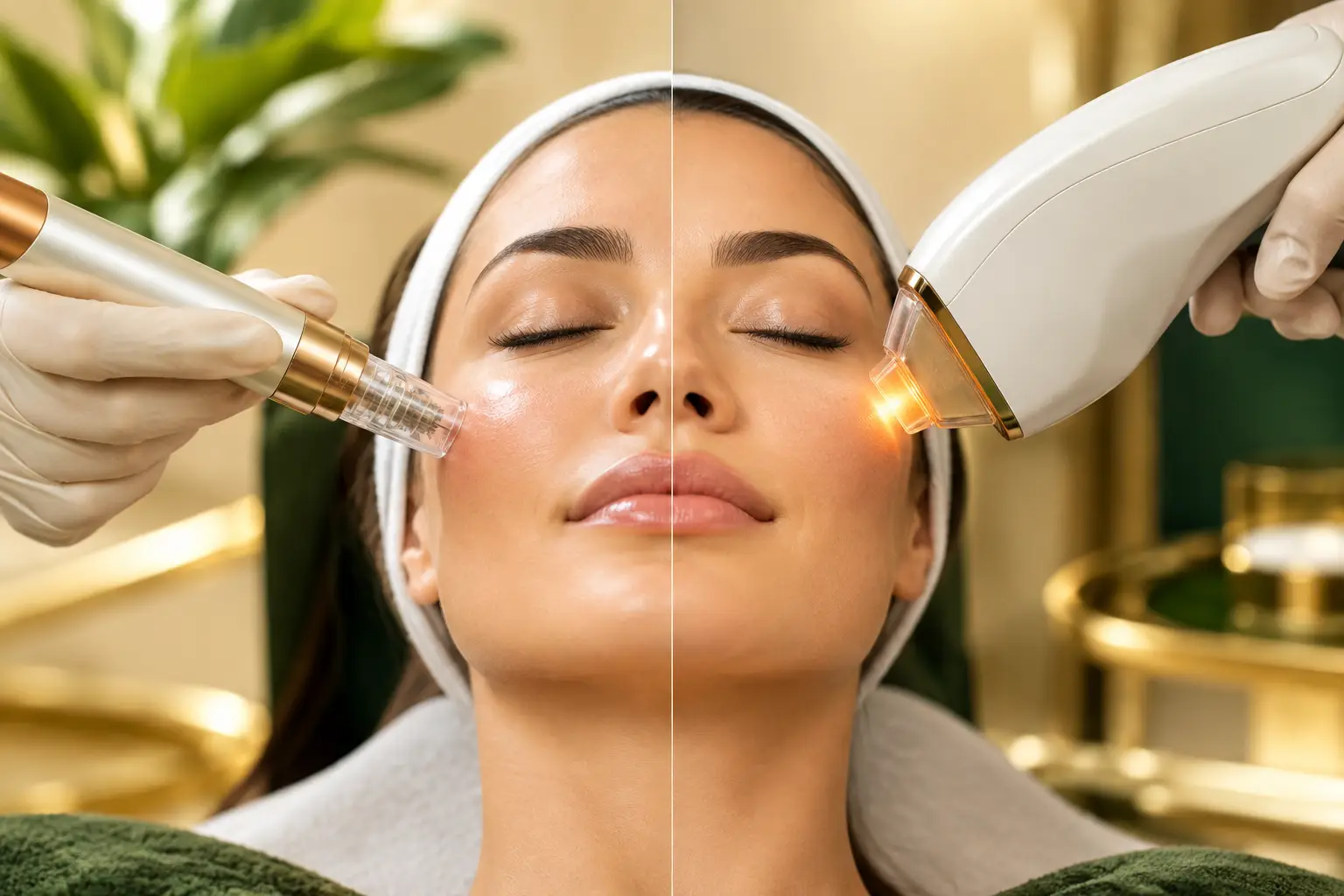
A well-defined jawline can make the entire face look more balanced, rested, and refined. That is why non surgical jawline contouring has become such a popular option for people who want more structure without committing to surgery, scars, or a long recovery. For many clients, the goal is not to look different. It is to look sharper, smoother, and more confident in a way that still feels like them.
What non surgical jawline contouring actually means
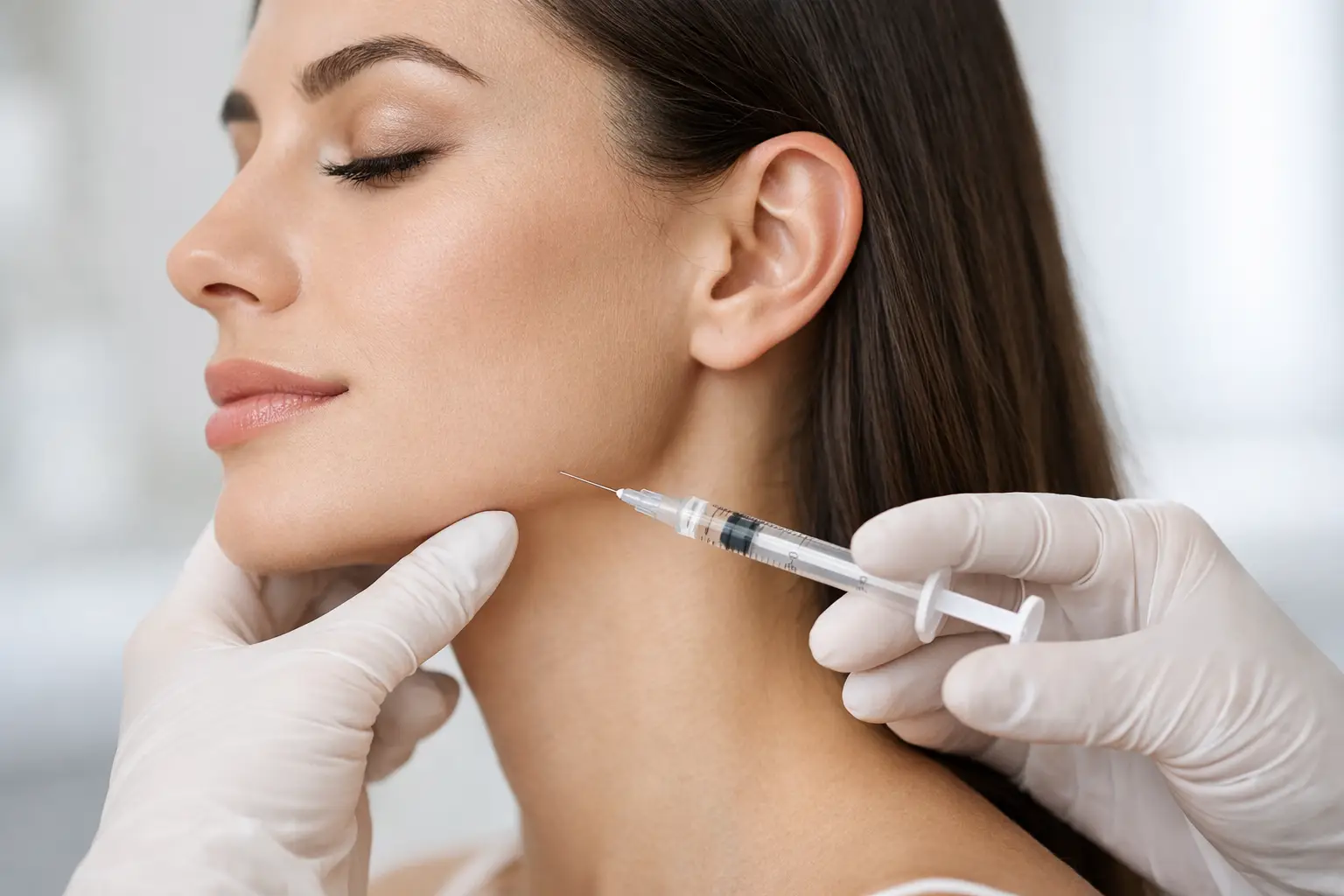
Non surgical jawline contouring is a customized approach to improving the shape and definition of the lower face using injectable or minimally invasive treatments. Depending on your anatomy and goals, this may involve dermal filler to create cleaner angles, Botox to relax muscles that pull the jawline downward, or PDO threads to add subtle lift and support.
The key word here is customized. A softer jawline can come from several different causes, and they are not all treated the same way. Some people have naturally less projection in the chin or jaw. Others notice early jowling, volume loss, skin laxity, facial fullness, or muscle activity that changes the lower face over time. The best results come from identifying what is creating the concern first, then choosing the right treatment plan.
Why the jawline changes over time
The jawline is one of the first places where facial aging becomes noticeable, even when the rest of the face still looks youthful. Bone support shifts gradually with age, collagen production slows, and the skin begins to lose elasticity. Fat pads can also descend, which softens the transition between the cheeks, jaw, and neck.
Weight fluctuations and genetics play a role too. Some clients are bothered by a less defined side profile even in their 20s or 30s, while others begin noticing heaviness or early jowls later on. This is why two people with the same complaint can need very different treatments.
Jawline contouring is not always about adding volume
One of the biggest misconceptions is that jawline treatment always means more filler. In reality, adding volume in the wrong place can make the face look heavier instead of more sculpted. In some cases, a small amount of filler along the mandibular angle creates elegant definition. In others, treating the chin first gives the jawline better balance. And for some clients, relaxing platysmal tension with Botox or improving mild laxity with threads may make more sense than filler alone.
That is where medical expertise matters. A natural-looking jawline depends on proportion, not just product.
The most common treatments used for non surgical jawline contouring
Dermal filler is often the foundation of jawline contouring. It can sharpen the angle of the jaw, improve symmetry, support the prejowl area, and strengthen the chin when needed. The result is usually a cleaner, more polished lower face rather than a dramatic change. When performed conservatively, filler can enhance structure while keeping the face soft and balanced.
Botox can also play an important role. If the platysma muscle is pulling downward on the lower face, strategically placed Botox may soften that tension and help the jawline appear smoother. Botox may also be used in the masseter muscles for clients with a wider lower face caused by clenching or muscle bulk. In that case, the effect is less about carving sharp angles and more about creating a slimmer facial shape over time.
Thread lifts are another option for select clients with mild to moderate skin laxity. Threads can provide a subtle lifting effect while also stimulating collagen. They are not a replacement for surgery, but they can be a thoughtful choice for someone who wants a little more support without significant downtime.
Often, the most refined outcomes come from combining treatments. A client may benefit from filler for structure, Botox for muscle balance, and collagen-supporting treatments that improve skin quality around the jaw and lower face.
Who is a good candidate for non surgical jawline contouring?
The best candidate is someone who wants improvement, not overcorrection. Non surgical jawline contouring works especially well for clients who want to define a soft jawline, improve side-profile balance, address early jowling, or create a more sculpted lower face without surgery.
It can be a strong option for both women and men, though the treatment approach often differs. Many women want elegant definition that still looks soft and feminine. Men often prefer stronger angularity or a cleaner transition from the jaw to the neck. In both cases, the goal should be harmony with the rest of the face.
That said, it is not ideal for every concern. If there is significant loose skin, a heavy neck, or more advanced jowling, non-surgical options may offer only modest improvement. In those situations, a consultation should be honest about what can realistically be achieved. Beautiful results begin with realistic planning.
What results usually look like
When jawline contouring is done well, people often notice that you look refreshed or more polished without immediately knowing why. The lower face appears more defined, the chin may look better proportioned, and the transition from the face to the neck can look cleaner.
Results vary depending on the treatment used. Filler can create visible contour immediately, though it settles over the following days. Botox takes more time, often becoming noticeable over one to two weeks. Threads can provide an earlier lift, with continued improvement as collagen develops.
Natural-looking treatment should respect movement, facial shape, and gender balance. A beautifully contoured jawline should not look stiff, bulky, or obviously treated. It should simply bring more clarity to your features.
How long results last
Longevity depends on the product, the area treated, your metabolism, and how much structural change was needed. Jawline filler often lasts longer than filler in high-movement areas like the lips, but it is still temporary. Botox requires maintenance, and thread results vary by the type of thread used and your skin quality.
This is one reason many clients appreciate a personalized treatment plan. Instead of chasing quick fixes, a tailored approach can help maintain results in a more consistent and cost-effective way over time.
What to expect at your appointment
A good consultation should focus on your anatomy, profile, skin quality, and long-term goals, not just on where to place product. Your injector may assess chin projection, lower-face symmetry, muscle activity, and the degree of skin laxity before recommending treatment.
During treatment, comfort measures are typically used to keep the experience manageable. Most clients return to normal activities quickly, although mild swelling, tenderness, or bruising can happen. Downtime is usually limited compared with surgery, which is a major reason these treatments are so appealing.
If you are preparing for a special event, timing matters. It is smart to leave room for swelling to settle and for your provider to reassess if a touch-up is needed. Rushed aesthetic decisions rarely produce the most refined outcome.
The trade-offs to understand before you book
Non-surgical treatments offer convenience, flexibility, and minimal downtime, but they do have limits. They do not remove excess skin, and they cannot create the same degree of change as a surgical lower face or neck procedure. If you want subtle refinement and a fresher look, they can be excellent. If you want dramatic tightening, surgery may be the more appropriate path.
There is also the question of maintenance. Because these treatments are temporary, preserving your result requires future visits. For many clients, that feels worthwhile because they prefer gradual, adjustable enhancement. Others may decide they would rather consider a longer-lasting surgical option.
The most important decision is not simply choosing jawline contouring. It is choosing an experienced medical aesthetic provider who understands facial balance, product selection, and restraint. In a treatment area as visible as the jawline, precision matters.
Why personalization makes all the difference
Jawline contouring should never be one-size-fits-all. A beautiful outcome depends on the relationship between the jaw, chin, cheeks, lips, and neck. Treating only one area without considering the rest of the face can leave results looking incomplete or less natural.
At a practice like YouShine Med Spa, the real value of treatment is not just access to filler or Botox. It is the judgment behind the plan. Thoughtful aesthetic care means listening closely, recommending only what fits your features, and creating results that feel refined rather than obvious.
If you have been thinking about improving your profile, a softer jawline does not automatically mean you need surgery. Sometimes the right non-surgical treatment can create the balanced, confident look you have been wanting with far less interruption to your life. The best place to start is with a personalized consultation and a clear understanding of what will flatter your face most.