A fuller-looking part, less hair left in the shower drain, and the confidence to wear hair up again are often the details that make PRP hair testimonials feel meaningful. They can offer a reassuring glimpse of what is possible, especially when thinning hair has started to affect how you feel in photos, at work, or during everyday routines. But the most useful testimonials are not the ones that promise a dramatic overnight change. They are the ones that explain the starting point, the timeline, and the personalized care behind the result.
At YouShine Med Spa, PRP hair restoration is approached as a refined, medically guided treatment plan – not a one-size-fits-all answer to every type of hair loss. Understanding how to read client experiences can help you decide whether a consultation is the right next step.
What PRP Hair Testimonials Can Reveal
PRP, or platelet-rich plasma, uses a concentrated portion of your own blood that contains platelets and growth factors. After a simple blood draw, the plasma is prepared and placed into targeted areas of the scalp. The goal is to support the hair follicles and create a healthier environment for existing follicles to function.
When clients share positive experiences, their comments often center on gradual changes rather than instant transformation. They may notice that their hair seems stronger, their shedding has slowed, or sparse areas look less visible when styled. Others describe a renewed sense of confidence once they begin seeing early signs of density around the hairline, crown, or part.
Those details matter because PRP is designed to work with living follicles. It does not create new follicles where none remain. A testimonial from someone addressing early thinning, for example, may not predict the same outcome for someone with long-standing, advanced hair loss. The most credible stories acknowledge that difference.
Why the Timeline Matters More Than a Before-and-After Photo
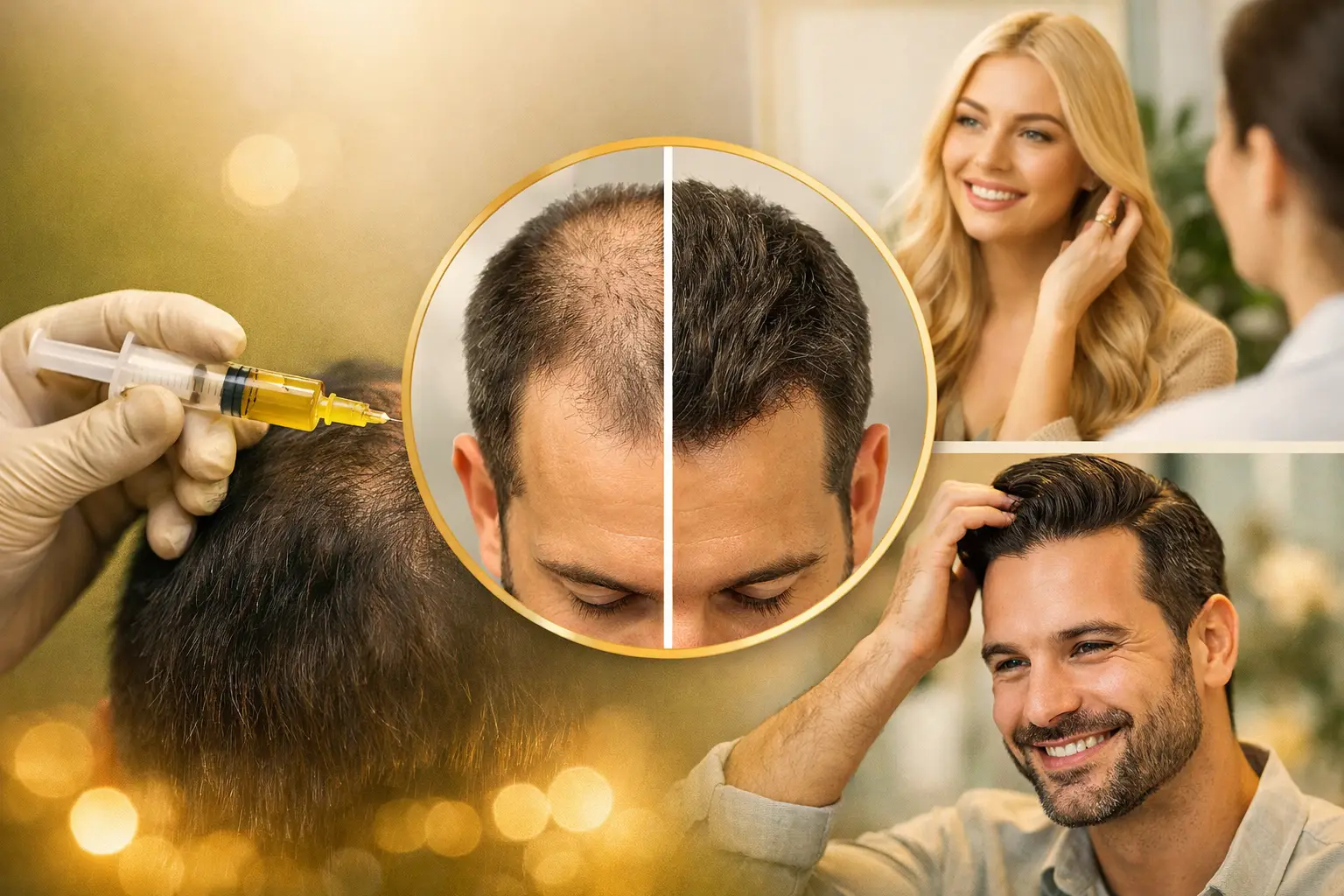
Hair growth moves slowly, and PRP treatment requires patience. A before-and-after image can be encouraging, but it rarely shows how many sessions were completed, whether the person had an underlying medical concern addressed, how they styled their hair, or how much time passed between photos.
Many clients begin with a recommended series of treatments, followed by maintenance based on their response and goals. Early changes may be subtle. Some people first notice less shedding or improved texture before they see visible fullness. More noticeable improvement often takes several months because the natural hair growth cycle cannot be rushed.
That does not mean every client will have the same experience. Age, genetics, hormone changes, stress, nutrition, medications, and the specific cause of thinning all influence the result. A thoughtful provider will explain the likely timeline for your situation rather than using another person’s outcome as a promise.
Look for Details, Not Just Praise
A short review that says, “I love my results,” is lovely, but it does not tell you much about treatment suitability. A more helpful testimonial may mention that the client felt comfortable during the appointment, understood the aftercare plan, or appreciated seeing gradual progress over several visits.
It is also useful when a client describes the emotional side of treatment. Hair thinning can feel deeply personal, whether it appears after stress, pregnancy, aging, hormonal changes, or a family history of hair loss. Feeling heard during a consultation and supported through a treatment plan can be just as important as the procedure itself.
What Realistic PRP Results May Look Like
PRP hair restoration is generally best suited for people with thinning hair or weakened follicles that are still active. The aim is often improved density, reduced shedding, healthier-looking strands, and better coverage in areas where hair has become finer. For some clients, even a modest improvement can make styling easier and help their hair look more balanced.
Results can vary from subtle to more visible. A person with recent thinning and strong follicle activity may see a more noticeable change than someone whose follicles have been inactive for years. This is why an expert evaluation is essential before beginning treatment.
It is also worth separating improved hair quality from complete hair restoration. PRP may help support thicker, stronger-looking growth, but it is not a surgical hair transplant and should not be presented as one. The polished, natural-looking results many clients value tend to come from setting clear goals early: preserving current hair, improving coverage, or addressing a specific area of concern.
The Questions Behind the Best Testimonials
Before placing too much weight on a review, consider what may be behind it. Did the client have a professional scalp and hair-loss assessment? Were they a good candidate for PRP? Did they complete the recommended treatment series and allow enough time for changes to appear?
A strong treatment experience also includes clear communication about comfort and recovery. PRP appointments are typically convenient and require minimal downtime, though the scalp may feel tender, tight, or mildly swollen for a short period. Your provider should review what to expect before treatment and give tailored guidance afterward.
The following questions can help you turn general testimonials into practical information for your own decision:
- What type and stage of hair thinning did the client have before treatment?
- How many PRP sessions did they receive, and how long did they wait to assess progress?
- Were their goals focused on reducing shedding, improving density, or maintaining existing hair?
- Did they mention a customized plan, maintenance recommendations, or complementary care?
- Were the photos consistent in lighting, angle, hair length, and styling?
These questions are not meant to make you skeptical of every positive review. They simply help you recognize the difference between a meaningful experience and an unrealistic claim.
When PRP May Need a Broader Hair Restoration Plan
PRP can be a beautiful option for the right candidate, but it is not always the only recommendation. If hair loss is sudden, patchy, accompanied by scalp symptoms, or progressing quickly, a medical evaluation may be needed to identify a possible underlying cause. Thyroid changes, nutrient deficiencies, autoimmune conditions, hormonal shifts, and certain medications can all play a role in hair shedding.
In some cases, a provider may suggest pairing PRP with other physician-guided strategies or adjusting the plan after monitoring your response. That is not a sign that PRP has failed. It is a sign that hair restoration deserves the same personalized approach as any other aesthetic concern.
The right plan should feel realistic, never pressured. You should understand the investment, recommended schedule, expected maintenance, and the signs that indicate whether treatment is helping. Financing or payment options can make a series of treatments more approachable, but the decision should still be rooted in candidacy and clear expectations.
Choosing a Provider You Can Trust
The setting and expertise behind a testimonial matter. PRP treatment involves blood collection, specialized preparation, and precise scalp injections, so it should be performed in a professional medical aesthetics environment with attention to safety, technique, and comfort.
During your consultation, look for a provider who asks about your health history, hair concerns, goals, and the timing of your shedding. They should assess the pattern of thinning rather than immediately recommending a package. They should also be willing to explain where PRP is most likely to help and where its limits may be.
A luxury experience should never mean vague answers. It should mean feeling cared for from the first conversation through every follow-up: relaxed in the treatment room, informed about your choices, and confident that your plan reflects your features and goals.
Let Your Own Starting Point Lead the Conversation
PRP hair testimonials can be a helpful source of hope, particularly when they show the quiet, progressive improvements that make people feel more like themselves. Still, your hair story has its own timing, causes, and possibilities. The best next step is not to chase someone else’s before-and-after, but to have an honest consultation that gives you a clear path toward healthier-looking hair and renewed confidence.