Tired-looking eyes can make you appear less rested than you feel. Even with enough sleep, hydration, and a consistent skincare routine, you may still notice dark circles, under-eye hollows, puffiness, fine lines, or a shadowed appearance.
If you are searching for under eye rejuvenation in Louisville, KY, the best treatment depends on what is actually causing the concern. Under-eye aging is different for everyone, and the most effective approach may involve under eye filler, PRF, microneedling, cheek filler, Botox, Dysport, or a combination of treatments.
At YouShine Med Spa in Louisville, Kentucky, treatment plans are designed around natural-looking results. The goal is not to overfill the face or erase every expression. Instead, the focus is on helping you look refreshed, balanced, and more rested while preserving your natural features.
What Causes Tired-Looking Eyes?
The skin beneath the eyes is some of the thinnest skin on the face. Because of this, age-related changes often become visible in this area earlier than in other parts of the face.
Several factors can contribute to tired-looking eyes, including:
- Tear trough hollows
- Dark circles
- Loss of cheek support
- Fine lines
- Crepey skin
- Puffiness
- Under-eye bags
- Visible blood vessels
- Pigmentation
- Genetics
- Allergies
- Sun exposure
- Natural collagen loss
As collagen and elastin decrease over time, the skin becomes thinner and less supported. Facial fat pads may also shift, and the cheeks can lose volume. These changes may create more noticeable shadows between the lower eyelid and upper cheek.
This is why under eye rejuvenation in Louisville, KY should always begin with a careful evaluation rather than choosing a treatment based on appearance alone.
Why Dark Circles Are Not Always Caused by Lack of Sleep
One of the most common concerns patients mention is dark circles beneath the eyes.
However, dark circles can develop for several different reasons.
For some people, the darkness is caused by pigmentation. Others have very thin skin that allows underlying blood vessels to show through. In many patients, a deep tear trough creates a shadow that appears dark even though the skin itself is not significantly discolored.
Allergies, genetics, facial anatomy, sun exposure, and lifestyle factors can also contribute.
Because the causes are different, the treatment must also be individualized.
A patient with pigment-related dark circles may need a completely different plan than someone with structural volume loss.
Under Eye Rejuvenation in Louisville Starts With a Full Facial Assessment
A good under-eye consultation should evaluate more than the area directly beneath the eyes.
At YouShine Med Spa, treatment planning may include evaluation of the:
- Tear trough
- Lower eyelid
- Upper cheek
- Midface
- Temples
- Skin quality
- Facial movement
- Overall facial proportions
In many patients, the appearance of the under-eye area is partly related to loss of cheek support.
In these cases, restoring subtle volume to the midface may improve the transition between the lower eyelid and cheek more naturally than placing filler directly beneath the eye.
Your provider should also review your medical history, medications, allergies, previous cosmetic treatments, and aesthetic goals.
The under-eye area is delicate, and not everyone is a good candidate for filler. Patients with pronounced eye bags, chronic swelling, very thin skin, or certain anatomical features may benefit from another treatment approach.
Best Under Eye Treatments in Louisville, KY
There is no single best under-eye treatment for everyone.
The right choice depends on whether your primary concern is hollowness, dark circles, fine lines, crepey skin, puffiness, or a combination of these concerns.
Under Eye Filler for Tear Trough Hollows
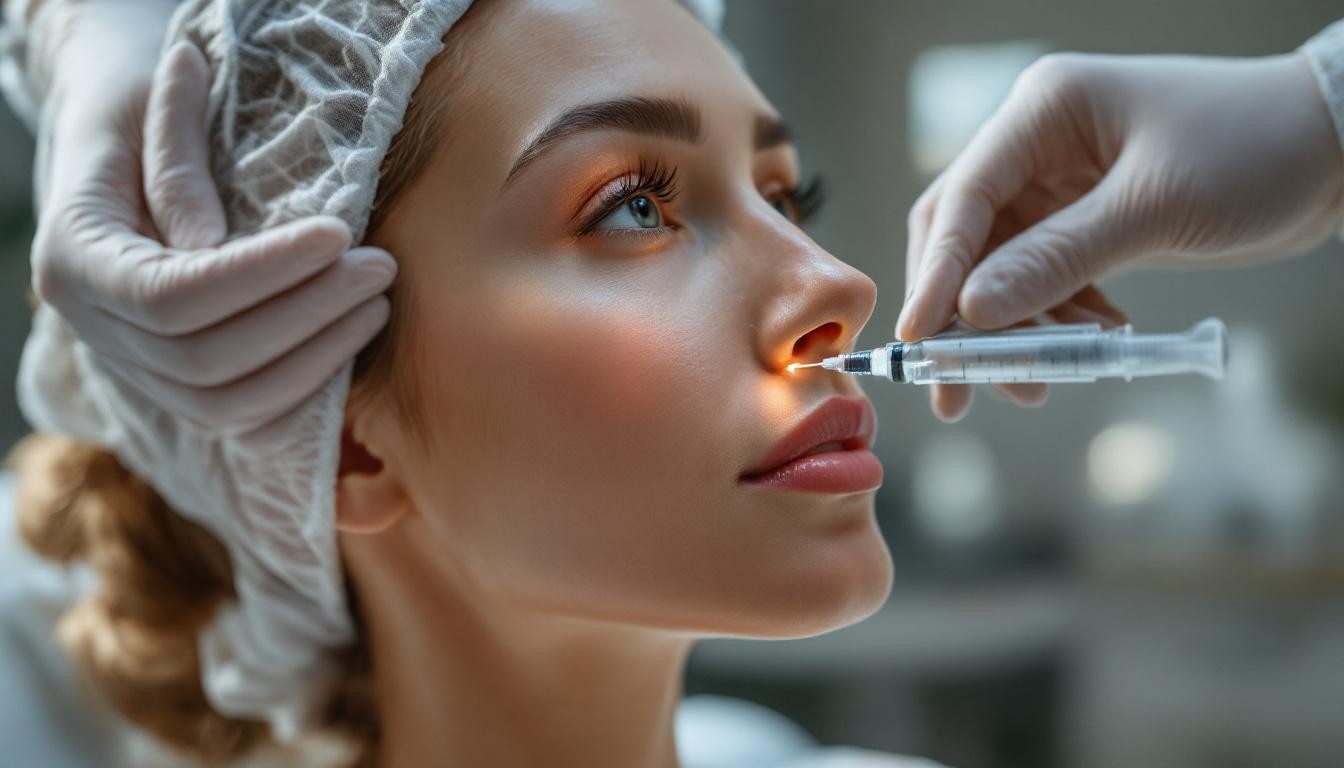
For carefully selected patients, under eye filler in Louisville, KY may help restore subtle volume beneath the eyes and soften the appearance of tear trough hollows.
Hyaluronic acid filler may be placed in the tear trough or in surrounding areas such as the upper cheek, depending on the patient’s anatomy.
Potential benefits may include:
- Reduced appearance of under-eye hollows
- Softer shadows
- Improved lower eyelid-to-cheek transition
- A more rested appearance
- Better facial balance
Results are often visible shortly after treatment, although swelling and bruising can temporarily affect the final appearance.
You can learn more about what to expect after treatment in our guide to dermal filler recovery time.
Why Under Eye Filler Must Be Conservative
The tear trough is not an area where more filler automatically creates a better result.
Overfilling can create puffiness, irregularity, or an unnatural appearance.
In some patients, treating the cheeks instead of the tear trough may create a smoother and more balanced result.
Read more about cheek filler and midface volume enhancement.
A careful anatomical assessment is essential before deciding whether direct tear trough filler is appropriate.
PRF Under Eye Treatment in Louisville
For patients who prefer a more regenerative approach, PRF under eye treatment in Louisville may be a good option.
Platelet-rich fibrin, commonly called PRF, is created from a small sample of your own blood.
It contains platelets, fibrin, growth factors, and other naturally occurring components involved in healing and tissue repair.
PRF may help improve:
- Fine lines
- Crepey under-eye skin
- Mild hollowing
- Skin texture
- Dullness
- Overall skin quality
Unlike filler, PRF does not primarily work by adding immediate volume.
Instead, the goal is gradual improvement in skin quality and tissue support.
For many patients, a series of PRF treatments may be recommended for more noticeable improvement over time.
PRF vs. Under Eye Filler
Patients often ask whether PRF or filler is better for under eye rejuvenation.
The answer depends on the underlying concern.
Under eye filler may be more suitable when the primary issue is structural volume loss or a deep tear trough.
PRF may be better suited for patients who want gradual improvement in fine lines, skin quality, or mild hollowing.
Some patients may benefit from a combination approach.
The best choice is based on facial anatomy, skin thickness, age-related changes, treatment goals, and risk factors.
Microneedling for Under Eye Fine Lines and Texture
If fine lines, texture, or crepey skin are the main concerns, microneedling may be included in your treatment plan.
Microneedling creates controlled microchannels in the skin, which can support the body’s natural collagen response.
Potential benefits may include improvement in:
- Fine lines
- Skin texture
- Crepey skin
- Skin smoothness
- Overall skin quality
You can learn more about the benefits of microneedling for skin texture.
Microneedling does not replace lost facial volume and does not remove prominent under-eye bags.
It is generally more useful for surface-level concerns than deeper structural changes.
Botox and Dysport for Crow’s Feet
Botox and Dysport can help soften dynamic wrinkles around the outer corners of the eyes.
These wrinkles, commonly known as crow’s feet, develop from repeated facial movement.
When wrinkle relaxers are administered conservatively, they may help the eye area look:
- Smoother
- More refreshed
- More open
- Less tired
Botox and Dysport do not directly correct tear trough hollows or true pigmentation-related dark circles.
However, they may complement other treatments as part of a broader eye rejuvenation plan.
Can Under Eye Filler Help Dark Circles?
Sometimes.
If dark circles are mainly caused by a shadow from tear trough hollowing, filler may improve the appearance by reducing the depth of the hollow.
However, filler is not the right solution when dark circles are caused primarily by:
- Pigmentation
- Thin skin
- Visible blood vessels
- Allergies
- Genetics
In these situations, another approach may be more appropriate.
This is why treatment should focus on the cause rather than the appearance alone.
Can Under Eye Filler Make Eye Bags Worse?
Yes, in some patients.
Persistent under-eye bags may be caused by protruding fat pads rather than loss of volume.
Adding filler in these situations may make the area appear fuller or more swollen.
This is especially important for patients with chronic puffiness or significant lower eyelid bags.
In some cases, a surgical consultation may provide a more appropriate solution.
A responsible provider should recommend surgery when a nonsurgical treatment is unlikely to produce the desired result.
How to Prepare for Under Eye Treatment
Preparation depends on the type of treatment you are receiving.
Before your appointment, tell your provider about:
- Prescription medications
- Supplements
- Allergies
- Previous filler
- Previous cosmetic treatments
- History of swelling
- Medical conditions
- Upcoming travel
- Important events
Your provider may recommend avoiding certain nonessential medications or supplements that can increase bruising risk.
However, you should never stop a prescribed medication unless the clinician who manages that medication tells you to do so.
It is also a good idea to schedule injectable treatments ahead of important events because temporary swelling or bruising can occur.
Under Eye Treatment Aftercare
Aftercare varies depending on the treatment performed.
General recommendations may include:
- Follow your provider’s specific post-treatment instructions
- Avoid rubbing or pressing on the treated area
- Use sunscreen daily
- Maintain good hydration
- Manage allergies when appropriate
- Use a consistent skincare routine
Temporary swelling, tenderness, redness, or bruising may occur after some procedures.
Contact your provider promptly if you develop severe pain, unusual discoloration, vision changes, or other concerning symptoms after an injectable procedure.
How Long Do Under Eye Rejuvenation Results Last?
Results depend on the treatment used.
Dermal filler may last many months or longer, depending on the product, placement, metabolism, and individual anatomy.
PRF and microneedling work more gradually because they rely partly on collagen remodeling.
Botox and Dysport generally require ongoing maintenance treatments.
Rather than thinking of under-eye rejuvenation as a one-time procedure, many patients benefit from a customized maintenance plan.
Natural-Looking Under Eye Rejuvenation at YouShine Med Spa
The best cosmetic results should not look obvious.
Ideally, friends and family may notice that you look more rested, refreshed, or vibrant without immediately knowing why.
At YouShine Med Spa in Louisville, KY, the focus is on conservative treatment planning and natural-looking facial rejuvenation.
Depending on your anatomy and goals, your treatment plan may include:
- Under eye filler
- PRF
- Microneedling
- Cheek filler
- Botox
- Dysport
The goal is to enhance your features without creating an overfilled or artificial appearance.
Frequently Asked Questions About Under Eye Rejuvenation in Louisville, KY
What is the best treatment for under eye hollows?
The best treatment depends on the cause of the hollow appearance. Some patients may benefit from under eye filler, while others may achieve a more natural result with cheek filler or midface support. PRF may also be considered for patients who prefer a regenerative approach focused on skin quality and gradual improvement.
Is under eye filler safe?
Under eye filler can be performed safely in appropriately selected patients when administered by an experienced licensed medical professional. Because the area is delicate and contains important blood vessels, conservative technique and detailed knowledge of facial anatomy are essential.
What is better for under eyes, PRF or filler?
PRF and filler serve different purposes. Filler may be better suited for structural hollowing or a pronounced tear trough. PRF may be more appropriate for improving skin quality, fine lines, and mild hollowing. Some patients may benefit from both treatments.
Can PRF help dark circles under the eyes?
PRF may improve the appearance of some dark circles, particularly when thin skin, mild hollowing, or poor skin quality contributes to the problem. However, it may not fully correct dark circles caused primarily by pigmentation, genetics, allergies, or visible blood vessels.
How long does under eye filler last?
The duration of under eye filler varies depending on the filler used, placement, metabolism, anatomy, and individual response. Results may last many months or longer in some patients.
How many PRF under eye treatments do I need?
Many patients undergo a series of PRF treatments because the results develop gradually. The number of treatments depends on skin quality, age-related changes, degree of hollowing, and treatment goals.
Can Botox treat dark circles or under eye hollows?
No. Botox and Dysport do not directly correct tear trough hollows or pigmentation-related dark circles. They are primarily used to soften dynamic wrinkles such as crow’s feet.
Can under eye filler make eye bags worse?
Yes. Patients with prominent fat pads, chronic swelling, or significant puffiness may look more swollen after filler. This is one reason why a professional evaluation is important before treatment.
How much downtime is there after under eye rejuvenation?
Downtime depends on the procedure. Filler and PRF may cause temporary swelling, tenderness, or bruising. Microneedling may cause redness and sensitivity for several days. Your provider will give you treatment-specific aftercare instructions.
Where can I get under eye rejuvenation in Louisville, KY?
YouShine Med Spa provides consultations for under eye rejuvenation in Louisville, KY. Treatment recommendations may include under eye filler, PRF, microneedling, cheek support, Botox, Dysport, or a combination of treatments based on your anatomy and goals.
Schedule an Under Eye Rejuvenation Consultation in Louisville, KY
If dark circles, tear trough hollows, fine lines, or tired-looking eyes are affecting how refreshed you feel, a personalized consultation can help clarify your options.
At YouShine Med Spa in Louisville, Kentucky, your facial anatomy, skin quality, midface support, and treatment goals are evaluated before a treatment plan is recommended.
Whether your plan includes under eye filler, PRF, microneedling, cheek filler, Botox, or Dysport, the focus is on natural-looking improvement and individualized care.
Contact YouShine Med Spa to schedule your under eye rejuvenation consultation in Louisville, KY.