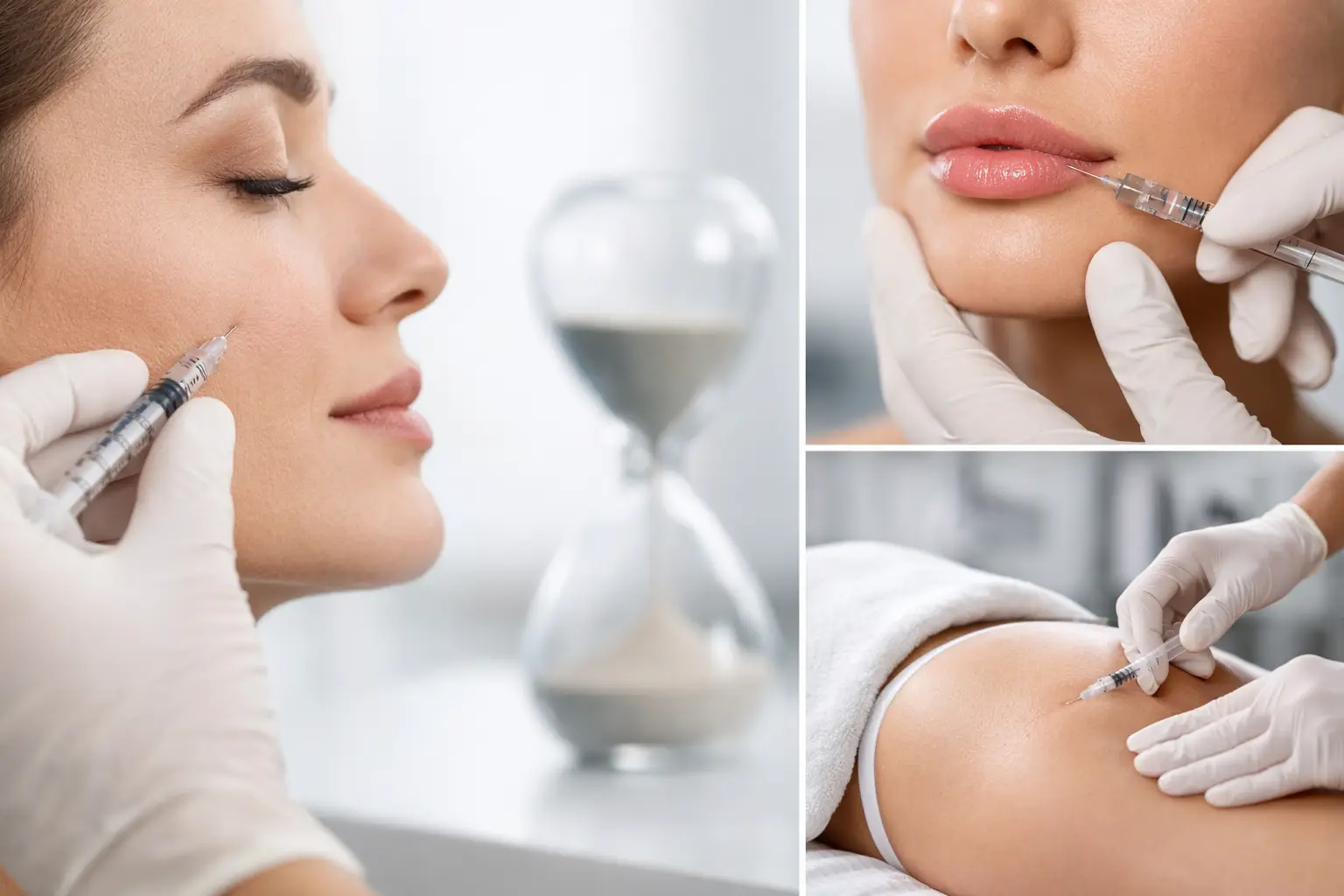
A beautiful filler result should look effortless – soft volume, smoother contours, and features that still feel like you. One of the first questions clients ask before treatment is how long filler lasts, and the honest answer is that it depends on where it is placed, the product used, and how your body processes it.
That answer can sound vague until you break it down by treatment area. Some areas naturally hold filler longer because they move less. Others, like the lips, tend to metabolize filler faster because of constant motion. Your provider’s technique, your anatomy, and your treatment goals also shape how long your results stay visible.
How long filler lasts in different areas
Dermal fillers are not one-size-fits-all. A filler chosen for cheek structure is different from one selected for delicate lip definition or tear trough correction. Because of that, longevity varies.
Lips
Lip filler usually lasts about 6 to 12 months. For some people, it fades a little sooner, especially if they have a fast metabolism or very mobile lips. If your goal is a soft, hydrated look rather than dramatic volume, your provider may use a more flexible filler designed to move naturally with expression, and that can influence how long the effect appears to last.
Lips also tend to show subtle changes sooner than other areas. Even when filler is still present, you may notice that the plumpness looks less pronounced over time because this area is so expressive.
Cheeks
Cheek filler often lasts 12 to 24 months. This area tends to keep filler well because the product is usually placed deeper and the cheeks do not move as constantly as the mouth. Cheek enhancement can restore youthful volume, support the midface, and even soften the look of nasolabial folds.
For clients who want lift and contour without looking overfilled, cheek filler can be one of the longest-lasting options. That said, subtle refinement may still be needed before the filler fully dissolves if you want to maintain the same level of definition.
Under-eyes
Under-eye filler can last around 9 to 18 months, and sometimes longer in the right candidate. The tear trough is a delicate area, so longevity is only part of the conversation. Product choice and precise placement matter even more here because the skin is thin and the area can retain fluid.
Some clients are excellent candidates for under-eye filler, while others get better results from treatments that improve skin quality and collagen support. A thoughtful consultation matters because dark circles and hollowness do not always come from volume loss alone.
Nasolabial folds and smile lines
Filler in the folds around the nose and mouth typically lasts 6 to 18 months. These lines are affected by facial movement and volume loss in the cheeks, so a provider may treat both areas for a more balanced result. If only the fold is filled without supporting the midface, the result may not last or look as refined.
This is one reason a customized plan matters. The best treatment is not always the most obvious one.
Marionette lines and corners of the mouth
This area often lasts about 6 to 12 months. Because the lower face is active and prone to changes related to aging, gravity, and skin laxity, filler here may need more regular maintenance. In some cases, combining filler with other treatments can create a smoother, more natural-looking outcome.
Jawline and chin
Jawline and chin filler often lasts 12 to 24 months. These areas typically use firmer fillers designed for structure and definition, which can hold up well over time. Clients who want a sharper profile, improved chin projection, or better facial balance often appreciate the durability of these results.
If you are looking for sculpting rather than softness, these treatment areas usually offer longer-lasting payoff.
What affects how long filler lasts
When clients compare their results with a friend’s, they are often surprised by how different the timeline can be. That is normal. Several factors influence filler longevity.
Your metabolism plays a role. Some people naturally break down hyaluronic acid filler faster than others. If you exercise intensely, have a very active lifestyle, or simply metabolize products quickly, you may notice shorter duration.
The treatment area matters just as much. High-movement areas, like the lips, tend to break down filler faster than areas like the cheeks or chin. Product choice is also key. Softer fillers are ideal in some places because they move beautifully with the face, but they may not last as long as denser fillers made for contour.
Injection technique matters too. Skilled placement can support both appearance and longevity. Filler that is layered thoughtfully and tailored to your anatomy tends to settle better and look more elegant over time.
And then there is the question of how much correction was done to begin with. A very subtle first treatment may fade sooner from your perspective, even if filler is still present, simply because the enhancement was intentionally conservative.
How long filler lasts the first time versus maintenance
First-time filler clients often notice that their initial treatment seems to fade faster than later appointments. Sometimes that is true, and sometimes it is more about perception. When you first see a refreshed contour or restored volume, even a slight softening can feel dramatic because you are paying close attention.
With maintenance treatments, results often feel more consistent. Your provider is not starting from zero each time, which means smaller touch-ups can help you maintain a polished look year-round. This approach also tends to support a more natural result because it avoids the cycle of filling too much after everything has fully worn off.
Signs your filler may be fading
Filler does not usually disappear overnight. Most clients notice a gradual return of the concern they originally wanted to improve. Lips may look less defined. Cheeks may seem flatter. Under-eye hollowness may begin to show again in certain lighting.
This does not always mean you need more filler right away. Sometimes a small touch-up is enough. Other times, a different treatment may make more sense depending on skin quality, collagen loss, or changes in facial structure.
That is why follow-up matters. The goal is not simply to add more product. The goal is to keep your results balanced, refreshed, and true to your features.
Can filler last longer with good aftercare?
Aftercare will not stop your body from metabolizing filler, but it can help protect your result in the early stage and support overall skin health. Following your provider’s post-treatment guidance matters, especially during the first few days when swelling and settling are still happening.
Longer term, healthy skin tends to showcase filler more beautifully. Daily sun protection, consistent skincare, hydration, and treatments that support collagen can all help your overall result look better for longer. Not because the filler suddenly becomes permanent, but because your skin quality and facial support are working with it rather than against it.
When longer-lasting is not always better
It is easy to assume the best filler is the one that lasts the longest, but that is not always true. The right filler is the one that suits the area, your anatomy, and the kind of result you want.
For example, in the lips, softness and flexibility usually matter more than extreme longevity. In the jawline, structure and staying power may be the priority. A natural-looking treatment plan respects those differences.
This is where expert guidance makes all the difference. A refined result is not about chasing the longest timeline. It is about choosing the right product, in the right amount, for the right reason.
How to plan your filler appointments
If you want your results to stay consistently fresh, plan on maintenance rather than waiting until everything has faded. Many clients do well with touch-ups once or twice a year, depending on the area treated. Others prefer to let filler dissolve more fully before reassessing their goals.
Neither approach is wrong. What matters is having a treatment plan that fits your features, your lifestyle, and your comfort level. At a personalized med spa consultation, your provider can map out realistic timing so you know what to expect instead of guessing.
Filler works best when it feels like part of a thoughtful beauty routine, not a rushed fix. When your treatment is customized with precision and restraint, the result is more than added volume – it is the kind of quiet confidence that helps you look rested, radiant, and entirely like yourself.