Hair thinning rarely arrives all at once. It may begin with a wider part, extra strands in the shower, a receding hairline, or the feeling that your usual style no longer has the same fullness. This guide to PRP hair therapy explains how a regenerative, non-surgical approach may support healthier-looking hair when timing, diagnosis, and treatment planning are right.
PRP hair therapy is not a one-size-fits-all answer to hair loss. It works best as part of a thoughtful plan built around the type, pattern, and stage of thinning you are experiencing. For many women and men who want a discreet option with little downtime, it can be a meaningful way to invest in confidence while keeping results natural.
What Is PRP Hair Therapy?
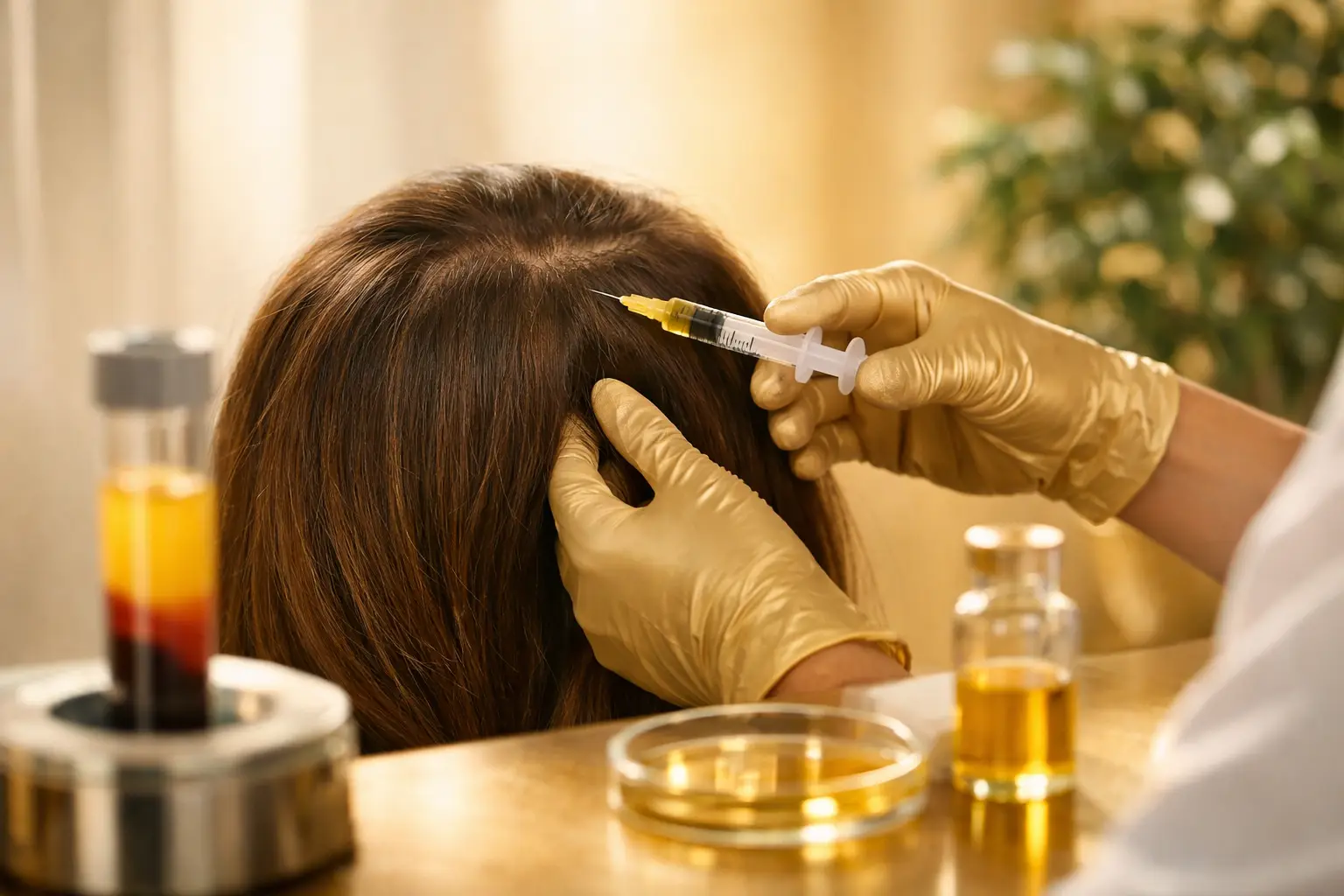
PRP stands for platelet-rich plasma. Platelets are naturally present in your blood and contain growth factors involved in the body’s repair processes. During a PRP hair treatment, a small sample of your blood is collected and placed in a centrifuge. This separates the platelet-rich plasma from other blood components.
The prepared PRP is then placed into areas of the scalp where hair is thinning, typically through a series of precise injections. The goal is to create a supportive environment around existing hair follicles. Rather than adding hair or changing your appearance overnight, PRP is intended to encourage the activity of follicles that may be weakened but still viable.
That distinction matters. PRP cannot create follicles where none remain, and it is not a replacement for a hair transplant when significant follicle loss has already occurred. It may, however, help improve the appearance of density, thickness, and shedding for appropriate candidates, particularly when concerns are addressed early.
Who May Be a Good Candidate for PRP Hair Therapy?
The strongest candidates often have early to moderate thinning and active follicles in the treatment area. Women noticing diffuse thinning around the part or crown and men with gradual pattern hair loss commonly ask about PRP. It may also be considered when shedding follows stress, illness, hormonal shifts, or certain lifestyle changes, although the underlying cause should be evaluated first.
A personalized consultation is essential because hair loss has many possible causes. Genetics, thyroid conditions, iron deficiency, hormonal changes, nutritional concerns, medication side effects, autoimmune disorders, scalp inflammation, and traction from tight styles can all play a role. Treating the scalp without understanding the source of thinning can lead to disappointment and delay care that is more appropriate.
PRP may not be suitable for everyone. A provider will review your health history, medications, scalp condition, and blood-related considerations. Active scalp infection, certain platelet or bleeding disorders, and some medical treatments may require postponing treatment or choosing another approach. Pregnancy and breastfeeding also warrant an individualized discussion with your healthcare provider.
What Happens During a PRP Hair Appointment?
A PRP hair appointment is designed to be efficient and manageable, usually fitting into a busy schedule with minimal disruption. The visit begins with a review of your treatment plan and the areas being addressed. Photos may be taken periodically so changes can be assessed more objectively over time rather than relying only on day-to-day impressions.
After a small blood draw, your sample is processed to concentrate the platelet-rich plasma. Your scalp is cleaned, and a topical numbing option may be used to improve comfort. The PRP is then administered throughout the planned area using small, controlled injections.
Most clients describe the treatment as tolerable, with brief pinching or pressure in sensitive areas. Comfort varies from person to person, especially near the hairline or crown. You may have temporary tenderness, mild swelling, redness, or a headache afterward. These effects generally resolve quickly, and most people return to normal activities the same day.
Your provider will give you specific aftercare guidance. This may include avoiding vigorous exercise, excessive heat, harsh scalp products, or washing your hair for a short period after treatment. Follow those instructions closely, as protocols can vary based on your scalp, treatment technique, and the products used during your visit.
How Many Sessions Will You Need?
PRP hair restoration is a series, not a single-event treatment. A common starting plan includes three sessions spaced approximately four to six weeks apart, followed by maintenance treatments at intervals recommended by your provider. The right schedule depends on your hair-loss pattern, response, goals, and whether PRP is being paired with other medically guided options.
This gradual cadence reflects the natural hair-growth cycle. Hair grows slowly, and follicles move through different phases over time. A treatment plan that respects that biology is more realistic than one promising immediate transformation.
You may notice less shedding before you see visible fullness. Some clients begin observing changes in hair quality or density after several months, while others need longer to evaluate their response. Results vary, and continued treatments may be needed to help maintain them. Consistent photography, clinical assessment, and honest communication are far more useful than comparing your progress to someone else’s before-and-after photos.
What Results Can You Realistically Expect?
The most refined PRP outcomes tend to look like you, just with healthier-looking hair and improved coverage in areas that had begun to thin. Depending on your starting point, treatment may support reduced shedding, improved hair caliber, more visible density, and a fuller look when styling.
PRP is not a guarantee, and it does not work at the same level for every person. Genetics, age, hormone changes, the duration of hair loss, scalp health, and consistency with the treatment plan all influence results. The earlier follicles are supported, the greater the opportunity may be to preserve the hair you have.
Be cautious of anyone who promises dramatic regrowth on a fixed timeline. A reputable provider will discuss what PRP can reasonably do, where its limits are, and whether another treatment should be considered alongside it. That level of clarity protects both your investment and your expectations.
Can PRP Be Combined With Other Hair-Restoration Options?
Often, yes. PRP may be part of a broader strategy that includes physician-directed topical or oral therapies, nutritional support when a deficiency is confirmed, scalp care, or lifestyle adjustments. The best combination depends on the cause of hair loss and your medical history.
For example, if laboratory testing suggests low iron or a thyroid concern, correcting that issue should be central to your plan. If traction is contributing to breakage and thinning, changing styling habits matters. If pattern hair loss is progressing, PRP may be more effective when paired with a clinician-recommended maintenance strategy.
This is where personalized care makes a visible difference. Hair restoration should never feel like a generic package sold without assessing your scalp, health background, and goals. At YouShine Med Spa, treatment planning is centered on natural-looking enhancement and a comfortable experience, so each recommendation should have a clear purpose.
Preparing for Your Consultation
Come prepared to discuss when you first noticed thinning, whether hair loss is sudden or gradual, recent stressors or illnesses, family history, medications, supplements, and any scalp symptoms such as itching, flaking, or tenderness. Bring up recent blood work if you have it, especially if you have concerns about hormones, thyroid function, or nutrient levels.
You should also be clear about what success looks like to you. Are you hoping to slow shedding, create better coverage at the part, support a receding hairline, or maintain results you have already achieved? Specific goals help your provider recommend an approach that is both clinically sensible and aligned with your lifestyle.
Hair changes can feel personal, but seeking professional guidance is a confident first step. When your plan is tailored to your needs and followed with patience, PRP hair therapy can be a graceful way to support fuller-looking hair and feel more at ease in your own reflection.